
Found By Accident contains affiliate links and is a member of the Amazon Services LLC Associates Program. If you make a purchase using one of the Amazon links (or other affiliate links), we may receive compensation at no extra cost to you. See our disclosure policy for more information.
12 Springtime Cruise Foods That Are So Good You’ll Be Talking About Them After You Dock
Spring arrives with a promise of renewal that extends far beyond blooming flowers or longer days. It fundamentally shifts the way chefs approach menus, moving away from the heavy, root-vegetable stews of winter toward bright, crisp flavors that signal the changing seasons.
When you step onto a cruise ship during these months, the culinary teams take full advantage of this transition. They source ingredients that have a fleeting peak window, creating dishes that capture the essence of the regions you visit.
One day, you might dine on produce sourced from a local market in the Mediterranean, and the next, you might enjoy seafood caught just off the coast of a port town. And the connection between location and plate becomes stronger in spring than at any other time of year.
The chefs understand that certain flavors only exist in their prime for a few weeks during this time of year. So they build entire menus around these ephemeral ingredients.
Let’s take a look at just a few of the options you might encounter if you take a spring cruise.
Chilled Strawberry Bisque

As the weather warms up on the pool deck, culinary teams look for ways to cool you down without weighing you down. Chilled fruit soups are a staple of cruise dining, and the strawberry bisque appears specifically when the berries reach their peak sweetness.
California produces nearly 90% of the strawberries grown in the United States, with the harvest ramping up significantly in April and May. This abundance allows chefs to puree massive quantities of ripe berries into a smooth, refreshing soup that balances sweetness with a hint of tartness.
You will often find this dish served as an appetizer during lunch or a light starter at dinner. It typically combines fresh strawberries, a touch of yogurt or heavy cream for texture, and a splash of citrus to brighten the profile.
Strawberries are members of the rose family, which explains their fragrant aroma when blended. This soup highlights that floral quality. The texture is silky, coating your palate with the essence of spring.
Unlike hot soups that rely on simmering to meld flavors, a chilled bisque relies entirely on the quality of the raw fruit. There is no heat to mask under-ripe berries. It is a simple yet elegant way to begin a meal, offering a cooling contrast to the warm sun you enjoyed earlier in the day.
Asparagus Risotto

Few ingredients announce the arrival of spring as loudly as asparagus.
In Europe, particularly Germany, the arrival of white asparagus is known as Spargelzeit, or “asparagus time,” which officially runs from mid-April until late June.
Cruise ships sailing European rivers or coastal routes during this window feature asparagus heavily, and risotto is the perfect vessel for it. The creamy, starchy rice provides a neutral backdrop that allows the grassy, nutty flavor of fresh asparagus to stand out.
You will notice distinct differences depending on where your ship sails. In Northern Europe, the kitchen might use the thicker, milder white asparagus, while Mediterranean itineraries favor the green variety, which has a stronger, more herbaceous flavor.
The preparation on board often involves adding the asparagus tips at the very last minute to maintain a crisp-tender bite. This contrasts with the softness of the rice. A finishing sprinkling of Parmigiano-Reggiano and lemon zest cuts through the richness.
It is a dish that requires timing and attention, mirroring the precise nature of the season itself. If you are lucky, you might even get a chance to eat this while overlooking a vineyard or coastline, connecting you directly to the agricultural rhythms of the land nearby.
Strawberry Spinach Salad
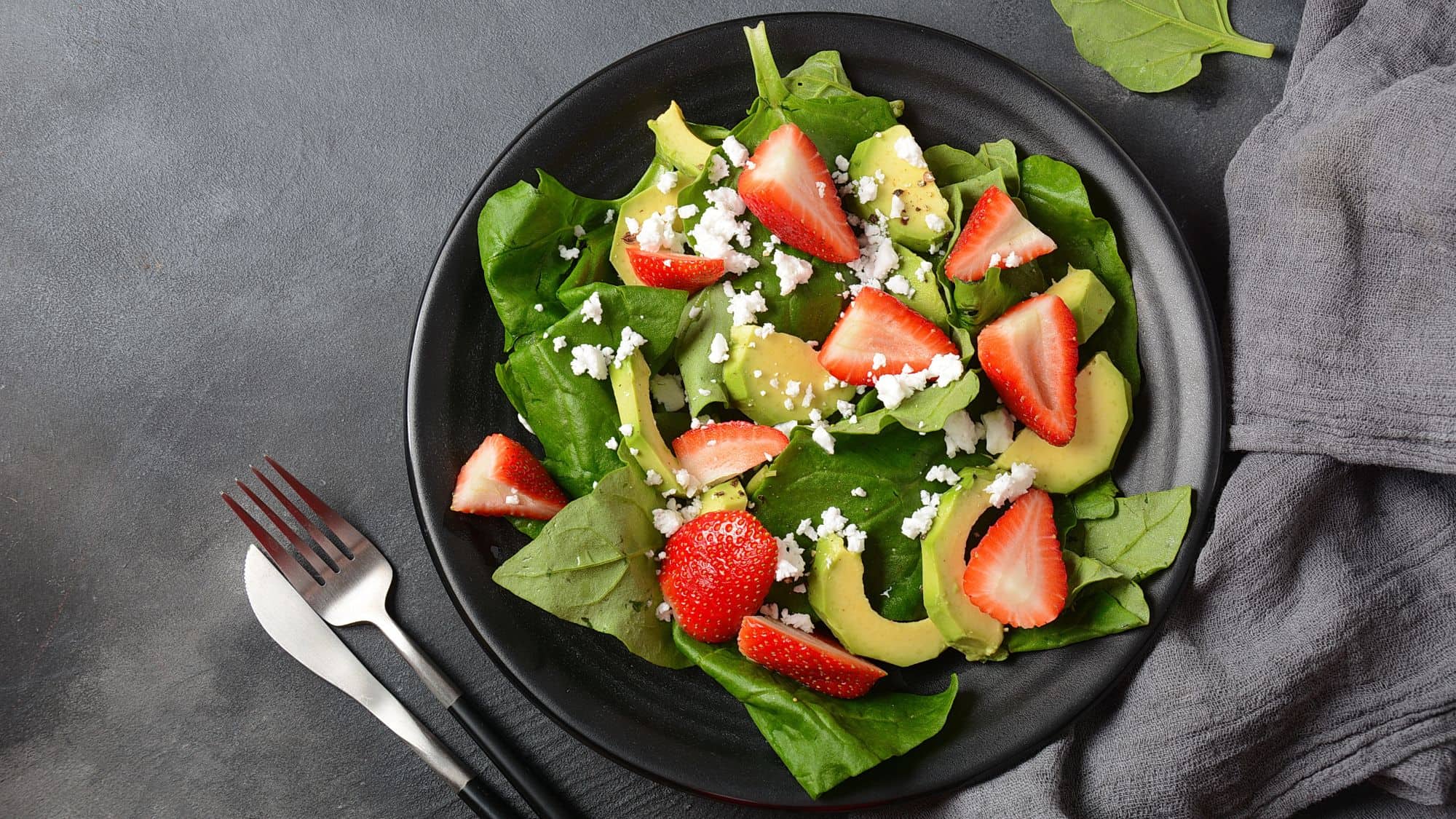
The transition from winter lettuces to tender spring greens changes the landscape of the salad bar. Spinach, which is believed to have originated in ancient Persia, offers a mild, slightly sweet flavor when harvested young in the spring.
Cruise chefs pair these tender leaves with sliced strawberries to create a salad that balances savory and sweet notes. And this combination is a classic for a reason. The iron-rich spinach provides an earthy base that grounds the high sugar content of the ripe berries.
You will find this salad dressed simply, often with a poppy seed or balsamic vinaigrette. The acidity in the dressing breaks down the slight bitterness of the spinach while macerating the strawberries just enough to release their juices. To add crunch and healthy fats, kitchens frequently top this dish with toasted pecans or walnuts.
Spinach is an excellent source of magnesium, which aids in muscle function (helpful after a day of walking tours). The visual appeal is also significant; the bright red fruit against the deep green leaves looks vibrant on the plate.
It is a light option that leaves plenty of room for the main course, yet it feels complete enough to stand alone as a lunch entree.
Lemon Herb Roasted Chicken
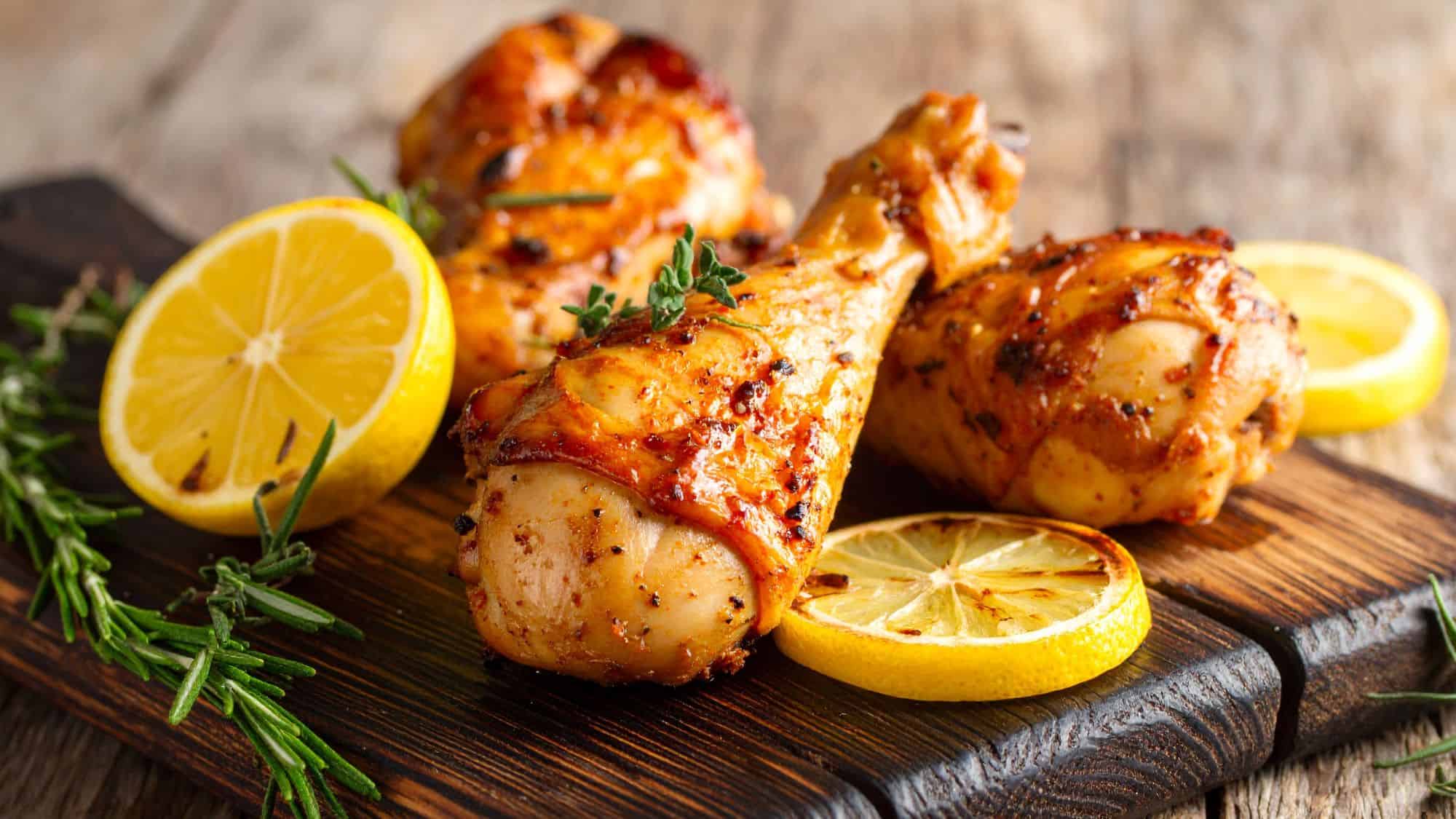
Poultry might seem like a year-round staple, but the preparation shifts drastically when spring arrives. Heavy gravies and root vegetables disappear, replaced by citrus marinades and fresh herbs.
Lemons, which Christopher Columbus introduced to the Americas in 1493, act as a natural tenderizer. The acid breaks down the proteins in the chicken, resulting in meat that remains juicy even after roasting.
On a spring cruise, you will likely encounter roast chicken rubbed with a paste of lemon zest, rosemary, thyme, and garlic. This dish fills the dining room with an aromatic scent that feels lighter than winter roasts.
Chefs often serve this alongside new potatoes or spring peas, keeping the sides consistent with the season.
Rosemary, a woody herb native to the Mediterranean region, adds a pine-like fragrance that complements the bright citrus. The acidity of the lemon also helps cut through any residual richness, making it a palatable choice if you are dining late. You get the satisfaction of a hearty protein without the lethargy that comes from heavier sauces.
Rhubarb Crumble

Rhubarb is a botanical curiosity that signals the start of baking season in spring.
Although it is culinarily treated as a fruit, rhubarb is technically a vegetable, related closely to garden sorrel. Its stalks are the only edible part, as the leaves contain high levels of oxalic acid, which can be toxic.
Rhubarb has a very short season, making its appearance on the menu a true marker of time. It grows best in cooler climates, so you are more likely to find this on cruises in Alaska, New England, or Northern Europe.
Cruise pastry chefs prize rhubarb for its intense tartness. They stew it down with sugar and often pair it with strawberries to create a balance of sweet and sour that defines the dessert menu in April and May.
A crumble topping adds necessary texture to the soft, stewed fruit. The mixture of flour, butter, and sugar baked until golden brown provides a crunch that contrasts with the jammy filling. You will usually see this served warm with a scoop of vanilla ice cream or a drizzle of heavy cream.
The ruby-red color of the stalks creates a visually stunning dessert that tastes purely of spring. It serves as a reminder that dessert does not always need to be chocolate to be indulgent.
Grilled Salmon With Dill Sauce

Spring marks the beginning of the salmon run in many parts of the Northern Hemisphere. And when caught during the spring season, the fish are rich in healthy fats and flavor.
The classic accompaniment for spring salmon is a dill sauce. Dill is an herb that has been used for medicinal purposes for thousands of years, known for its ability to settle the stomach. Its feathery leaves have a clean, grassy flavor with hints of anise that cut through the oiliness of the salmon.
The sauce usually has a yogurt or sour cream base, keeping it cool and tangy against the hot, charred fish. This temperature contrast is a hallmark of spring dining.
Cruise lines operating in regions like Alaska or the Fjords of Norway take advantage of this fresh catch. Eating this dish while sailing through the very waters where the fish was caught adds a layer of appreciation to the meal.
It is straightforward, healthy, and deeply connected to the marine environment you are exploring.
Artichoke And Spinach Dip

While available frozen year-round, artichokes hit their peak freshness in the spring. California produces nearly 100% of the commercial artichoke crop in the United States, with the town of Castroville dubbing itself the “Artichoke Center of the World.”
On a cruise, the kitchen utilizes these fresh thistles to elevate a standard appetizer. Fresh artichokes have a nuttier, more complex flavor profile than their canned counterparts. When combined with spinach and melted cheese, they create a warm, savory dip that is a favorite for sharing at tables in the main dining room or specialty restaurants.
The preparation involves steaming the artichoke hearts until tender before chopping them into the cheese mixture. Spinach adds color and earthy notes, preventing the dish from becoming one-note.
The creaminess of the cheese, usually a blend of cream cheese, mozzarella, and Parmesan, binds the vegetables together. The dip is typically served with toasted baguette slices or tortilla chips.
It is a hearty starter that showcases how spring vegetables can be indulgent. It bridges the gap between the comfort foods of winter and the vegetable-forward focus of spring.
Mango Sorbet

If your spring cruise takes you to the Caribbean or Central America, mangoes will be ubiquitous. Known as the “king of fruits” in many parts of the world, mangoes have been cultivated in India for over 4,000 years.
In the tropical spring, they ripen to a deep sweetness that requires very little added sugar. So chefs turn this bounty into sorbet, a frozen dessert that contains no dairy (which distinguishes it from sherbet, which typically contains a small amount of milk or cream). The result is a pure, intense fruit flavor that serves as an excellent palate cleanser.
The texture of a proper mango sorbet is incredibly smooth due to the natural pectin and fiber in the fruit. It melts instantly on the tongue, offering relief from the humidity of the tropics.
You will often find this served between courses in a formal dinner to refresh the taste buds, or as a light dessert option.
Because it relies so heavily on the quality of the fruit, this dish is best enjoyed when sailing in regions where mangoes grow locally. But if you can get your hands on it, it tastes of sunshine and tropical breezes, encapsulating the environment of a warm-weather spring cruise.
Carrot Ginger Soup

Carrots harvested in the spring are noticeably sweeter and more tender than large storage carrots available the rest of the year.
Cruise chefs use these sweet spring vegetables to create a vibrant orange soup that is warmed by the addition of ginger. Ginger is a rhizome, or underground stem, that adds a spicy kick and has been used in traditional medicine to treat nausea, a helpful benefit for anyone sensitive to the motion of the ocean.
This soup is pureed to a velvety consistency. The natural sugars in the spring carrots caramelize slightly during the initial sauteing process, adding depth. Then the ginger cuts through that sweetness, providing a complex flavor profile that wakes up the palate.
You might find it garnished with a swirl of coconut milk or a few roasted pumpkin seeds for crunch.
This dish is comforting on a breezy sea day when the air is crisp. It warms you from the inside out but remains light enough for a lunch option.
The color alone is inviting, matching the bright energy of the season. It demonstrates how two simple ingredients can create a sophisticated flavor pairing.
Lemon Asparagus Pasta

Pasta is a universal favorite on cruise ships, but the toppings change with the calendar. In spring, heavy meat sauces are swapped for lighter, olive oil-based sauces featuring fresh vegetables.
Did you know that Italy produces approximately 3.5 million tons of pasta annually? And that certainly influences menus worldwide.
When asparagus comes into season, chefs toss sauteed spears with al dente pasta, lemon zest, and fresh herbs. The window for local asparagus harvesting is short, typically lasting only six to eight weeks, making this dish a limited-time offering.
The pasta shape chosen is often something that can catch the sauce and vegetable pieces, like penne or fusilli. The acidity of the lemon juice emulsifies with the olive oil and starchy pasta water to create a creamy coating without using heavy dairy. This technique allows the flavor of the asparagus to remain the star.
This meal feels authentically Mediterranean. It is simple, relying on high-quality ingredients rather than complex techniques. Enjoying this with a glass of white wine while watching the ocean go by is a quintessential cruise experience.
Berry Parfait
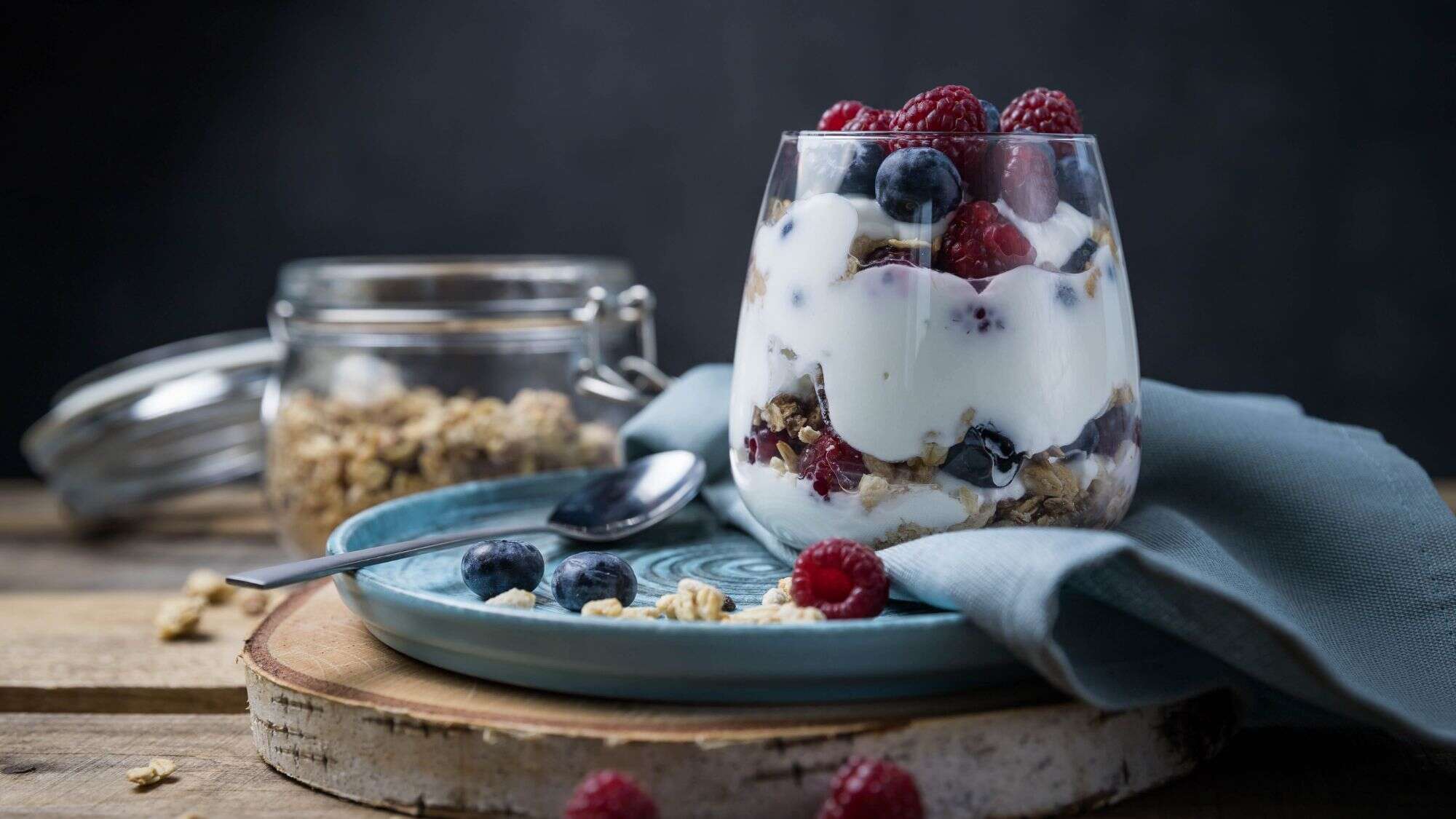
Breakfast on a balcony is one of the great joys of cruising, and a berry parfait is the ideal morning meal for spring. The word parfait means “perfect” in French, referring to the layers of ingredients that create a balance of textures and flavors.
In the spring, blueberries, raspberries, and blackberries are plentiful and flavorful. Blueberries specifically are one of the few fruits native to North America. Chefs layer these fresh berries with Greek yogurt and crunchy granola to create a breakfast that is visually appealing and satisfying.
The yogurt provides protein and probiotics, while the berries offer antioxidants and vitamins. The granola adds a necessary crunch to prevent the dish from being too soft. You will often see variations of this at the breakfast buffet or on the room service menu.
It is lighter than pancakes or eggs benedict, giving you energy for shore excursions without the heavy feeling of a fried breakfast.
The dish celebrates the return of fresh berries after a winter of relying on frozen or imported fruit. The tartness of the yogurt pairs perfectly with the natural sweetness of the ripe berries.
It is a fresh start to the day that aligns with the active nature of spring travel.
Strawberry Shortcake

As the ultimate celebration of the spring strawberry harvest, strawberry shortcake is a dessert that brings nostalgia to the high seas.
The first printed recipe for a dish resembling strawberry shortcake appeared in an English cookbook as early as 1588. It remains a favorite because of its simplicity.
Today, a proper shortcake is a biscuit-like cake that is crumbly and not overly sweet, designed to soak up the juices of macerated strawberries and sweetened whipped cream.
On a cruise, this is often the grand finale of a spring menu. The chefs bake the shortcakes fresh daily to ensure they are warm and tender. They pile high with strawberries that have been tossed in sugar to draw out their syrup. The whipped cream is usually made from scratch, offering a richness that canned versions cannot match.
This dessert relies on the contrast between the warm, savory biscuit, the cool cream, and the sweet fruit. It is messy to eat, but incredibly satisfying. And it captures the essence of spring comfort food. Simple ingredients, prepared well, highlighting the best produce of the season.
Like Our Content? Follow Us On MSN (or click the Follow Button above) to see more from Traveling In Focus.