
Found By Accident contains affiliate links and is a member of the Amazon Services LLC Associates Program. If you make a purchase using one of the Amazon links (or other affiliate links), we may receive compensation at no extra cost to you. See our disclosure policy for more information.
Tipping Shock: How The Same Gesture Is Praised In One Place And Questioned In Another
Most travelers know the feeling of panic that sets in when the bill arrives at a new restaurant. You stare at the total, trying to remember if this is a country where you leave a few coins or one where a significant percentage is expected. It is a moment of hesitation that can quickly turn a relaxing meal into a math equation you did not study for.
Money etiquette varies wildly depending on where your plane lands, and getting it wrong can mean offending your server or blowing your travel budget.
While North American customs lean heavily on the consumer to subsidize wages, European systems often build service costs directly into the price of the meal or the staff salaries. Understanding this fundamental difference saves you from the awkward dance of over-tipping in places where it is not standard or under-tipping where it is crucial.
The confusion usually stems from not knowing the local labor laws or cultural norms that dictate how service workers are paid. But instead of guessing, we are getting down to the nitty-gritty so you can learn the specific rules that govern tipping across these two very different continents.
Mastering this skill ensures you show appreciation appropriately without accidentally spending your souvenir money on unnecessary gratuities.
Tipping Culture in North America
In the United States and Canada, tipping is not just a gesture of gratitude; it is a critical component of the service industry’s economic structure.
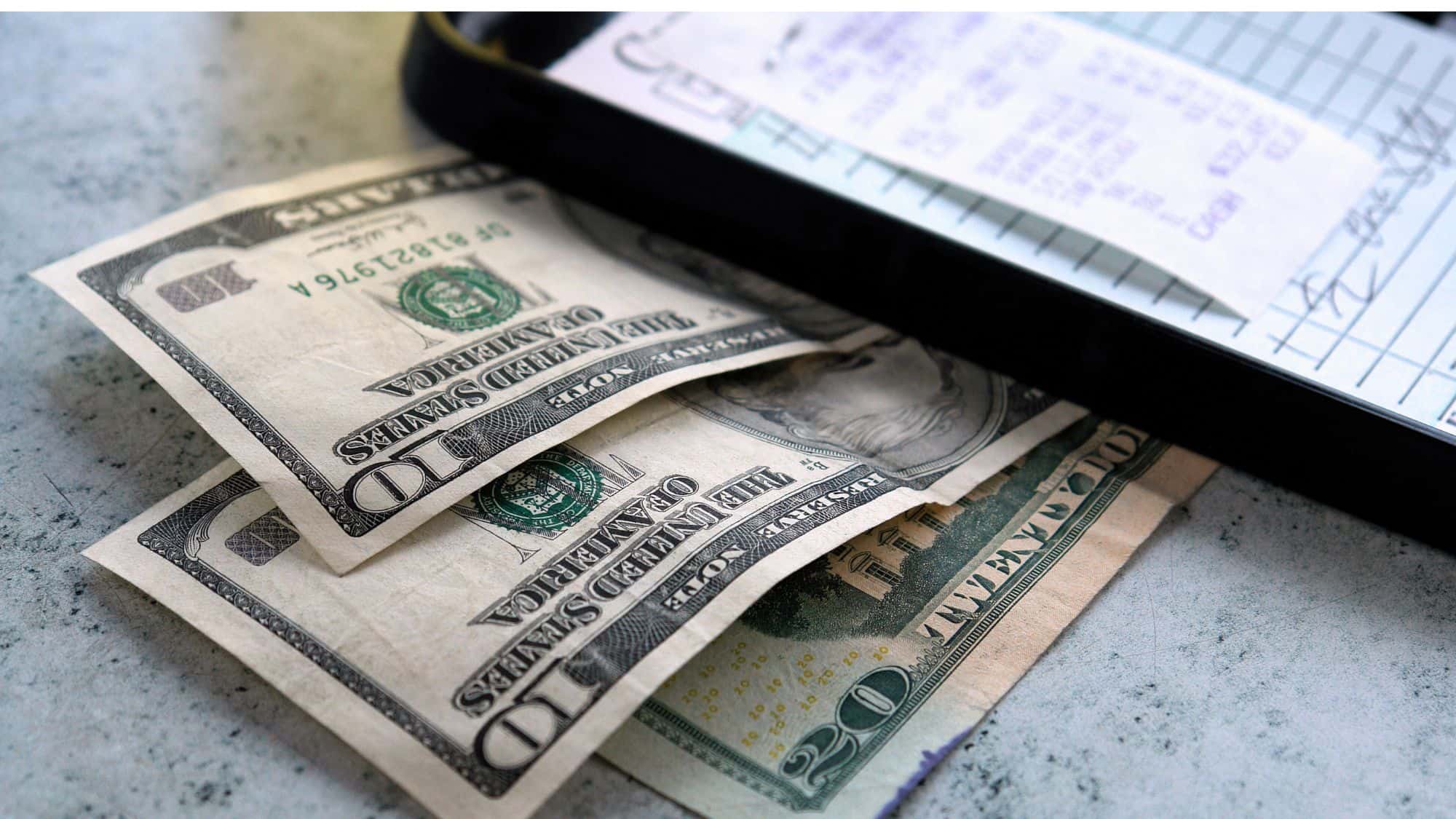
Federal law in the United States allows employers to pay tipped employees a cash wage as low as just a few dollars per hour, provided that their tips bring them up to the federal minimum wage. This system shifts the responsibility of paying a living wage from the employer directly to the customer.
Consequently, the tip you leave is not merely a bonus for good service but a necessary supplement to the server’s income.
Standard tipping rates have crept upward in recent years. While 15% was once the gold standard, restaurant servers now generally expect between 18% and 20% for standard service.
In major metropolitan areas like New York City or Toronto, it is increasingly common to see payment terminals suggest options starting at 20% or even 22%. Holidays and large groups trigger even higher expectations. Many establishments automatically add a gratuity of 18% or more for parties of six or larger to ensure the server is compensated for the extra effort required to manage a big table.
During major holidays like New Year’s Eve or Valentine’s Day, bumping your tip up to 25% is often viewed as a kind gesture to staff working while others celebrate. And failing to tip at a sit-down restaurant is considered a major breach of social etiquette.
In Mexico, especially in popular tourist areas, tipping is both common and appreciated. Many restaurants, bars, and cafes expect a gratuity in the range of 10 to 15% for table service. In these zones, staff often rely on tips in much the same way as their peers to the north, though a modest amount is generally acceptable.
You will also notice that leaving small amounts of cash for hotel staff, guides, or taxi drivers is considered polite and often expected in places with high tourist traffic.
Tipping Culture in Europe
Across the Atlantic, the approach to gratuities is drastically different due to stronger labor laws and higher base wages for service staff.
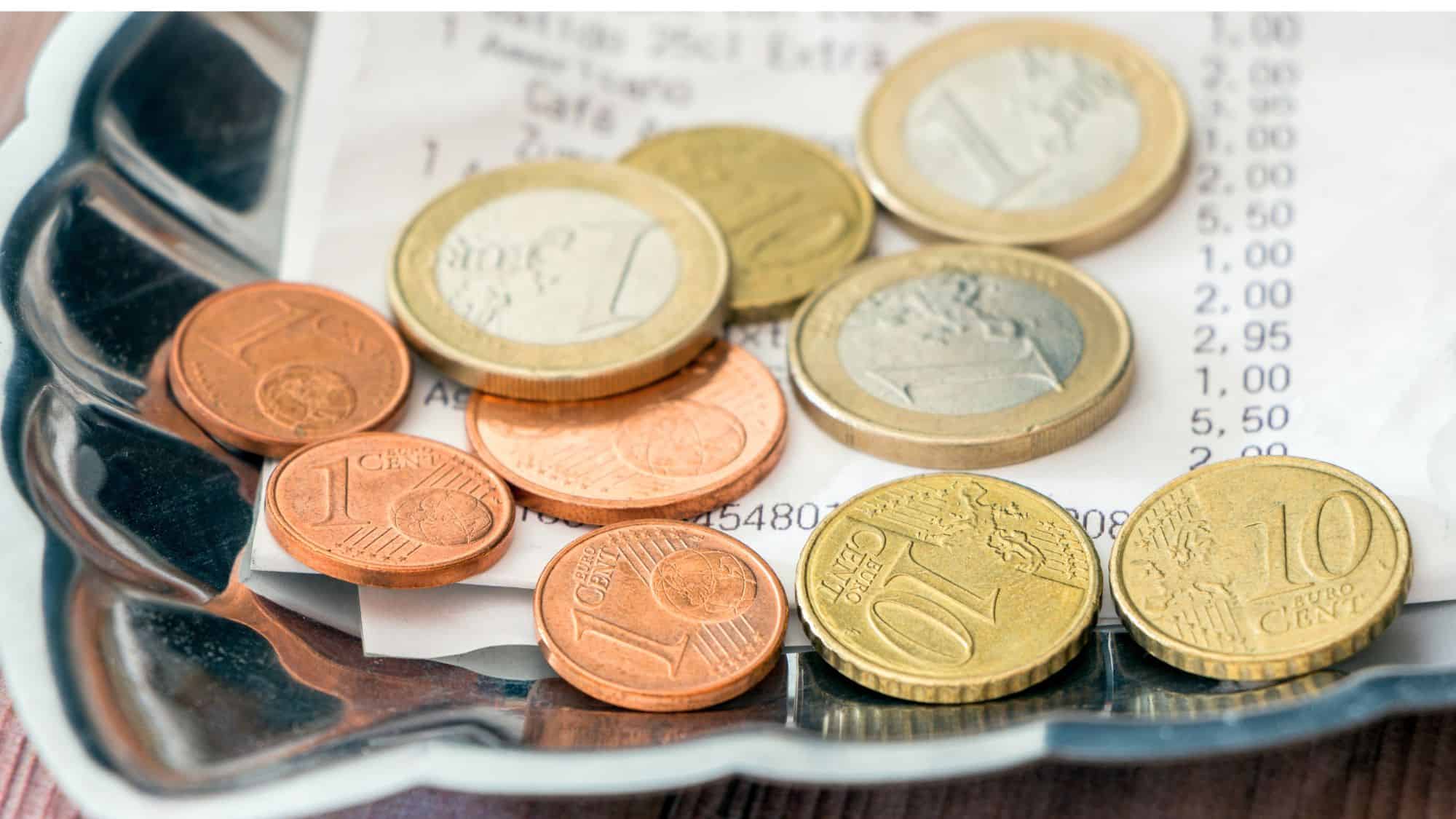
European servers typically earn a fixed hourly wage that does not depend on the generosity of their customers. For example, in France, the “service compris” (service included) law means that a 15% service charge is automatically included in the price of every item on the menu.
This creates a dining environment where the price you see is much closer to the final price you pay, removing the pressure to calculate percentages at the end of the meal.
In countries like Italy and Spain, tipping is considered optional and is usually reserved for exceptional service rather than being a standard expectation.
A common practice here is leaving a few extra euros on the table or rounding up the bill to the nearest convenient number. For example, if a bill in Rome comes to €47, leaving a €50 note is considered a polite and sufficient gesture.
However, in Scandinavian countries like Denmark and Sweden, restaurant staff are paid high union-negotiated wages, making tipping almost nonexistent. In these nations, service charges are rarely added because the cost of labor is fully integrated into menu prices.
While a small tip is appreciated for truly outstanding help, leaving nothing extra is perfectly acceptable and will not result in dirty looks from the staff.

Service Charges In Europe Explained
I touched on it briefly just a moment ago, but you might spot service charges on your bill in Europe. And navigating the terminology is the key to avoiding double payment.
The phrase “service included” or “servizio incluso” indicates that the labor cost has already been factored into your total. In the United Kingdom, you will often see a “discretionary service charge” of 12.5% added to the bill in restaurants.
Although the term “discretionary” implies you can ask for it to be removed, it is standard practice to pay for it unless the service was notably poor. This charge is distinct from a tip in that it is administered by the restaurant, whereas a cash tip goes directly to the server.
You can spot these charges by scanning the bottom of your receipt before you pull out your credit card. In tourist-heavy areas of Paris or Rome, bills will explicitly state “Service Compris,” yet credit card machines may still offer a prompt to add a tip.
This is often a trap for unsuspecting tourists accustomed to North American standards. If the menu or bill states that service is included, adding an additional 15% or 20% is completely unnecessary and essentially means you are paying for service twice.
Paying attention to the fine print ensures you reward good service without inadvertently donating extra funds to the restaurant’s bottom line.

Payment Etiquette And Practical Tips
The mechanics of how you pay can be just as important as how much you pay. In many European destinations, cash is still king when it comes to leaving a small gratuity.
Even if you pay for the meal with a card, it is customary to leave the tip in coins or small bills on the table. This ensures the money goes directly to the specific server who helped you, rather than getting pooled into a general fund or delayed by credit card processing times.
In contrast, North American servers are accustomed to receiving tips via credit card, and digital systems make this seamless.
Rounding is a strategic tool for travelers looking to tip appropriately without overthinking the math.
In Germany, the “stimmt so” (keep the change) method is widely used. When the waiter brings the bill, you state the total amount you want to pay, including the tip, as you hand over the money. For a bill of €28, you might hand over €30 and say “stimmt so,” indicating no change is needed. This avoids the awkwardness of leaving money on the table, which can be seen as rude in some cultures.

Country With The Highest Tipping Standards
When comparing the financial impact of dining out, the United States consistently ranks as having the highest tipping standards in the world. The expectation of 20% on top of the bill, combined with sales tax that is added at the register, can increase the cost of a meal by nearly 30% from the listed menu price.
A $50 meal quickly becomes a $65 expense once tax and a standard tip are applied. This contrasts sharply with most other nations, where the advertised price is the final price.
Canada follows closely behind the U.S., with standard tipping expectations ranging from 15% to 20%, despite servers in many provinces earning a higher minimum wage than their American counterparts.
In 2023, the minimum wage in Ontario increased to more than $16 per hour, yet the social pressure to tip generously remains high.
Costs add up fastest for travelers visiting North America who fail to budget for these hidden extras ahead of time. A two-week trip to the U.S. will require a significantly larger dining budget than a comparable trip to Spain or Portugal, solely due to the gratuity culture.
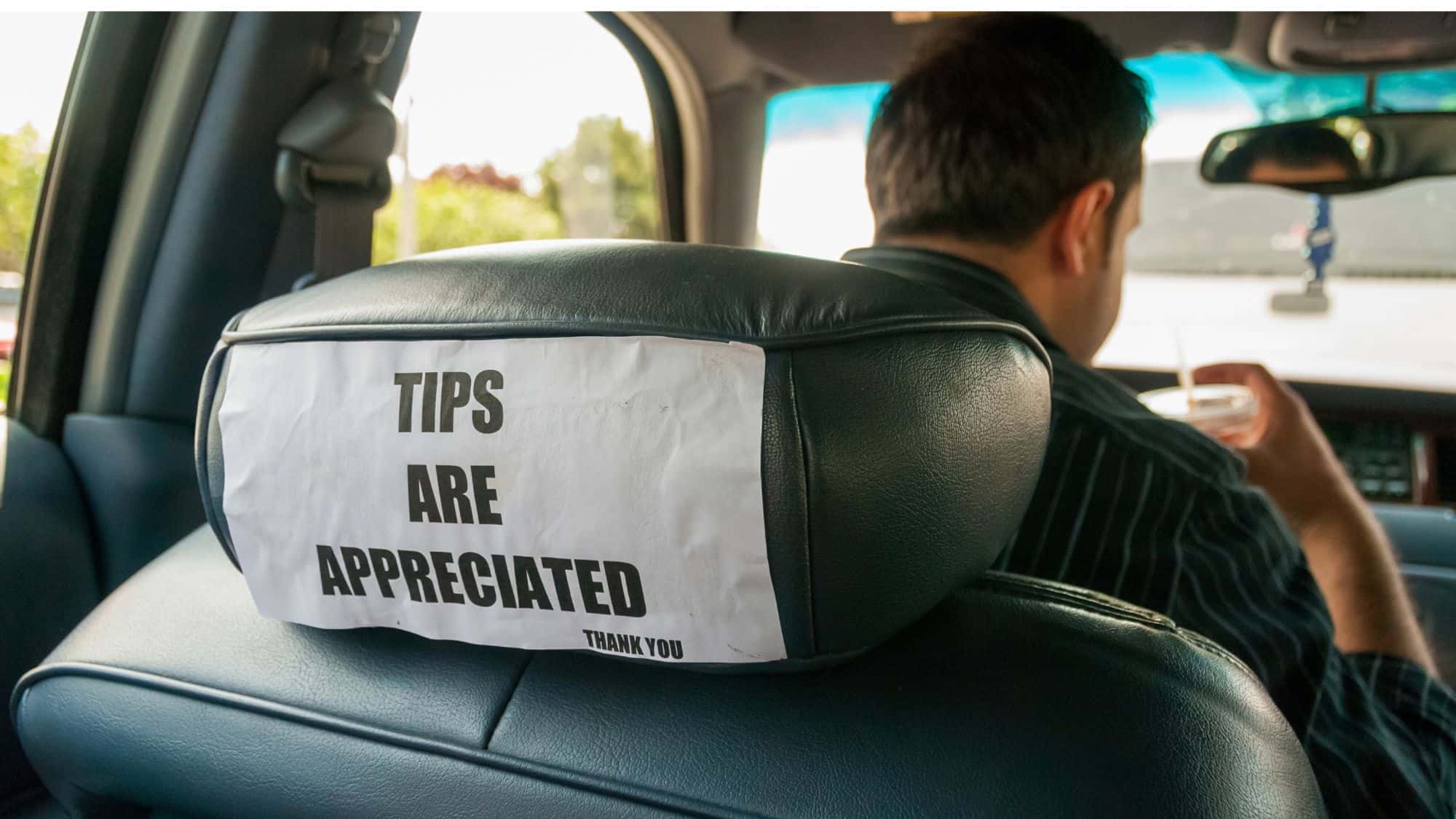
Quick Reference Cheat Sheet
United States and Canada: Tip 15% to 20% at restaurants, $1 to $2 per bar drink, and leave $2 to $5 nightly for hotel housekeeping.
Western Europe: Check the bill for service charges. If they are included, round up or add up to 10% for excellent service. At bars and in taxis, rounding up is usually enough.
UK: A 12.5% discretionary charge means no extra tip required.
Like Our Content? Follow Us On MSN (or click the Follow Button above) to see more from Traveling In Focus.