Found By Accident contains affiliate links and is a member of the Amazon Services LLC Associates Program. If you make a purchase using one of the Amazon links (or other affiliate links), we may receive compensation at no extra cost to you. See our disclosure policy for more information.
15 Off-The-Radar Countries Rising Fast On Travelers’ Wish Lists
Travel trends are constantly shifting, driven by a collective desire for authentic experiences far from the well-trodden tourist trails. While classic destinations will always hold their allure, a growing number of adventurers are seeking out places that offer something different, something more personal.
They are looking for unspoiled landscapes, rich cultural encounters, and the simple thrill of discovery. This quiet shift is turning the spotlight onto countries that were once considered difficult to access or were simply overlooked in favor of their more famous neighbors.
From the rugged mountains of Central Asia to the pristine coastlines of the Balkans, these rising stars offer a refreshing alternative to the crowded hotspots. They provide a chance to connect with destinations on a deeper level, where local life remains vibrant and largely untouched by the machinery of mass tourism.
Let’s take a look at the countries that are quickly capturing the imaginations of curious travelers around the globe, each promising a unique and memorable adventure for those willing to venture beyond the familiar and see the world with fresh eyes.
Albania
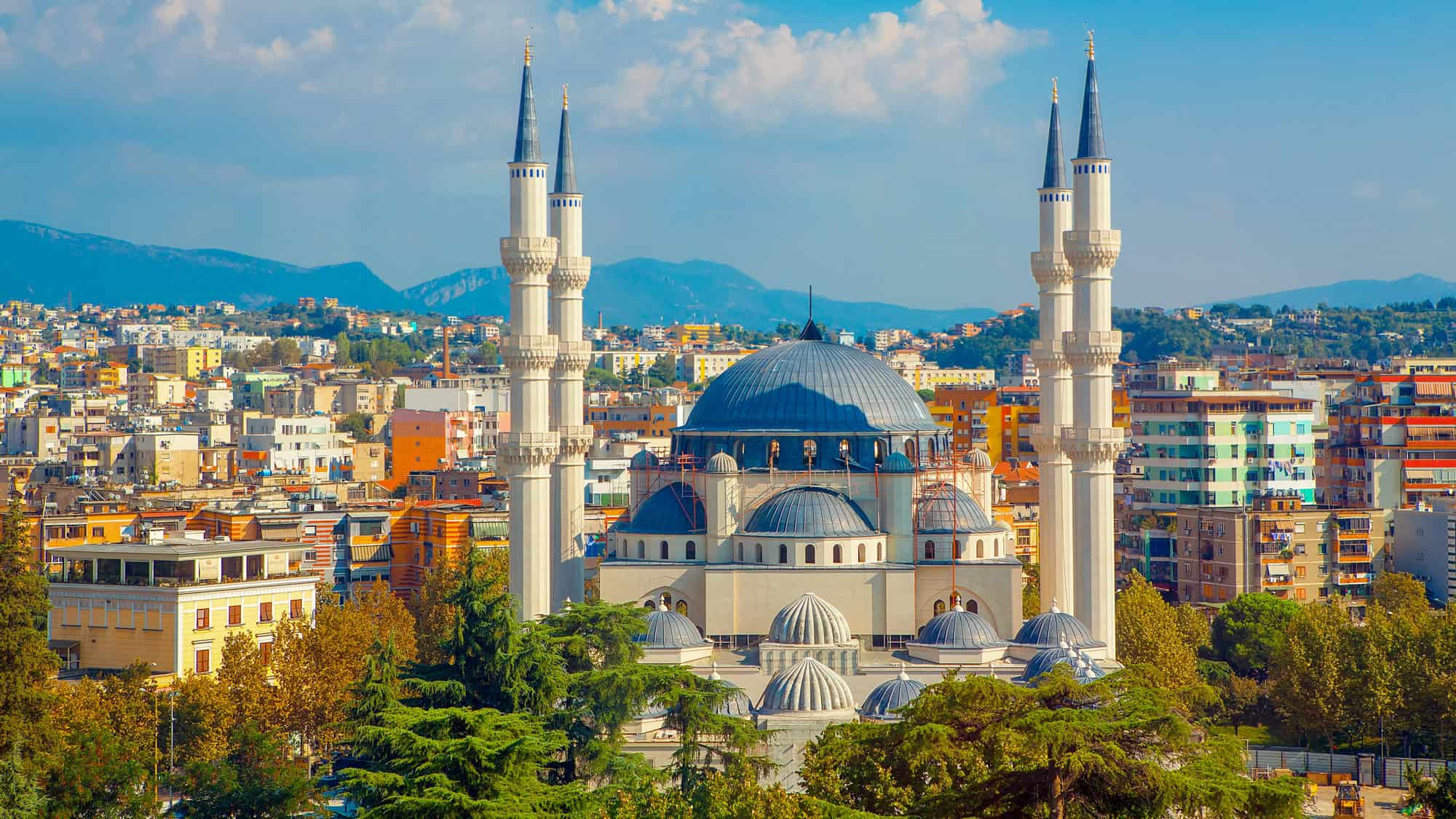
Located in the heart of the Balkans, Albania is emerging from the shadows with its stunning riviera, rugged mountains, and a rich, complex historical tapestry. For decades, it remained one of Europe’s most isolated countries, but today it welcomes visitors with open arms and surprisingly pristine landscapes that feel a world away from the continent’s more crowded shores.
The Albanian Riviera, often compared to the coastlines of Greece and Italy, boasts turquoise waters and secluded beaches without the premium price tag. You can find quiet stretches of sand even in high season if you know where to look.
Inland, the Accursed Mountains, part of the Dinaric Alps, offer some of Europe’s most dramatic and untouched hiking trails, winding through remote villages where traditional hospitality endures.
History enthusiasts can explore the ancient Greek and Roman ruins at Butrint, a UNESCO World Heritage site with structures dating back to the 7th century BC, or wander the cobblestone streets of Gjirokaster, the “City of Stone,” with its imposing Ottoman-era castle.
Bhutan
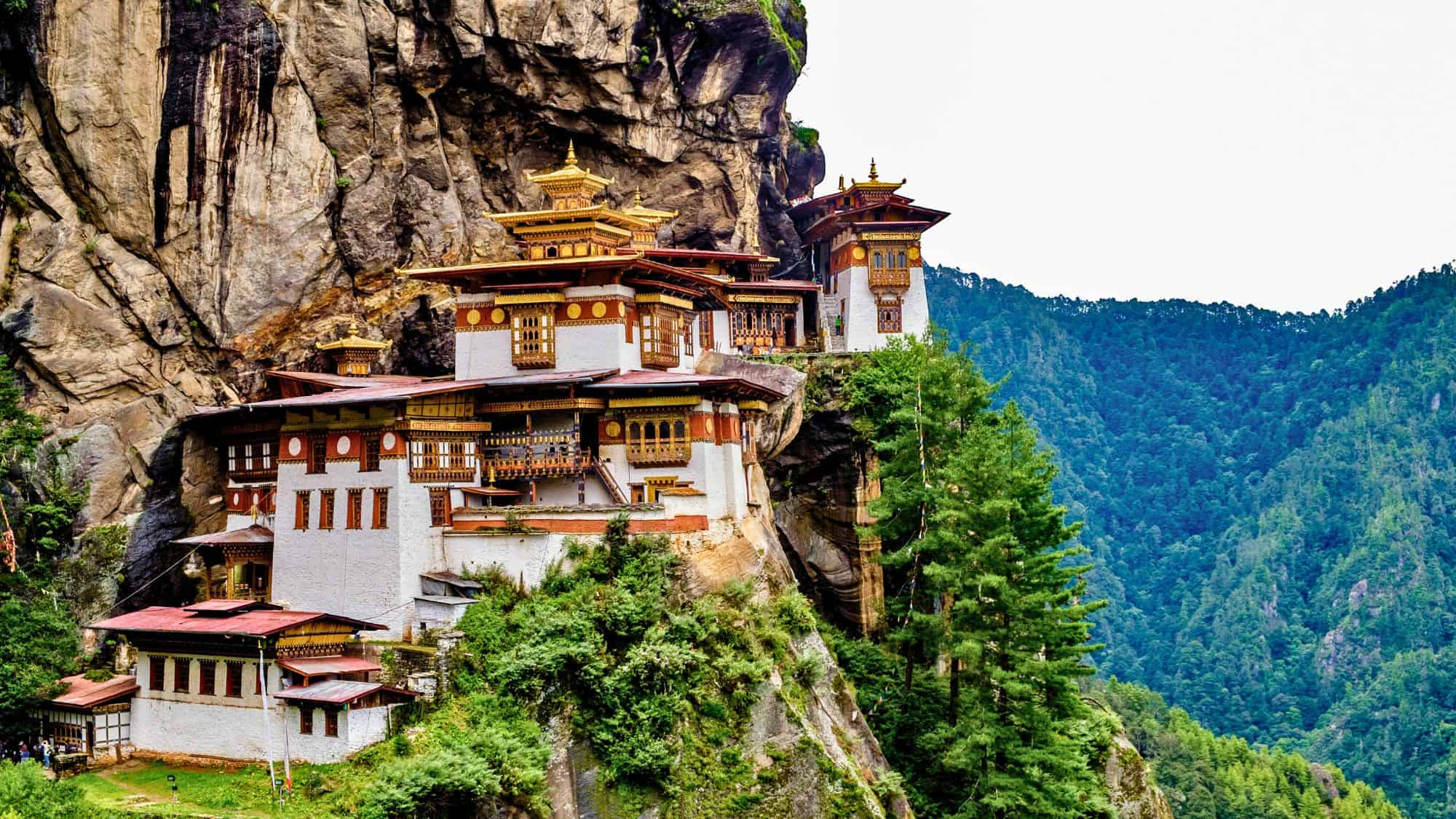
Tucked away in the Eastern Himalayas, the Kingdom of Bhutan offers a travel experience unlike any other, famously prioritizing “Gross National Happiness” over gross domestic product.
This deeply Buddhist nation deliberately limits tourism through a daily fee system to preserve its pristine environment and unique cultural heritage, making a visit here feel truly exclusive and intentional.
The landscape is a breathtaking panorama of snow-capped peaks, lush green valleys, and ancient monasteries clinging to sheer cliffs. The iconic Paro Taktsang, or Tiger’s Nest Monastery, is a testament to the country’s spiritual devotion, requiring a challenging but rewarding trek to its sacred halls perched at over 10,000 feet.
Bhutan’s commitment to conservation is evident everywhere; its constitution mandates that at least 60% of the country remain under forest cover, a goal it currently exceeds. This commitment makes it one of the few carbon-negative countries in the world.
Cambodia

While the magnificent temples of Angkor Wat have long drawn visitors to Cambodia, the country’s appeal extends far beyond its most famous landmark. This Southeast Asian nation is a place of profound resilience, where a complex and often painful history coexists with a spirit of gentle optimism.
Beyond the awe-inspiring ruins of the Khmer Empire near Siem Reap, travelers can discover a land of vibrant green rice paddies, sleepy riverside towns, and idyllic tropical islands that are still relatively undeveloped.
The capital, Phnom Penh, offers a poignant look into the country’s past at sites like the Tuol Sleng Genocide Museum and the Choeung Ek Killing Fields, which serve as somber reminders of the Khmer Rouge regime. Yet, the city also showcases a burgeoning arts scene, a bustling riverfront, and excellent markets.
In the countryside, you can experience the rhythms of rural life, perhaps by taking a boat trip on Tonle Sap Lake, Southeast Asia’s largest freshwater lake, and visiting its floating villages. And the southern coast beckons with islands like Koh Rong and Koh Rong Samloem, where white-sand beaches and turquoise waters offer a tranquil escape.
Colombia

Once synonymous with danger, Colombia has undergone a remarkable transformation and now stands as one of South America’s most exciting and welcoming destinations. Its diverse landscapes are truly astounding, ranging from the sun-drenched Caribbean coast to the lush, coffee-growing highlands and the vibrant energy of its major cities.
Bogota, the high-altitude capital, is a sprawling hub of culture, with world-class museums like the Gold Museum and the Botero Museum, historic neighborhoods like La Candelaria, and a thriving culinary scene.
The city of Medellin, once the heart of a notorious cartel, has reinvented itself as a model of urban innovation and is known as the “City of Eternal Spring” for its pleasant, year-round climate. Along the coast, the colonial charm of Cartagena enchants with its colorful streets, bougainvillea-draped balconies, and imposing fortress walls.
For nature lovers, Tayrona National Natural Park offers stunning coastal hikes where the jungle meets the sea, while the Cocora Valley is famous for its towering wax palms, the national tree of Colombia, which can grow up to 200 feet tall.
Costa Rica

Costa Rica has long been a pioneer in ecotourism, but its unwavering commitment to conservation and sustainable travel continues to set it apart as a premier destination for those who enjoy the outdoors.
This small Central American country is a biodiversity powerhouse, packing lush rainforests, towering volcanoes, and pristine coastlines into a compact territory roughly the size of West Virginia.
The national motto, “Pura Vida” or “pure life,” perfectly encapsulates the local attitude toward nature and well-being, a philosophy you will hear and feel everywhere. Visitors can zip-line through the cloud forests of Monteverde, home to the elusive resplendent quetzal, or hike to the base of the majestic Arenal Volcano, a near-perfect cone rising above the jungle.
The country’s two coasts offer distinct experiences; the Pacific is known for its world-class surf breaks and vibrant sunsets, while the Caribbean coast maintains a more laid-back, Afro-Caribbean atmosphere, particularly in towns like Puerto Viejo.
Costa Rica is also home to an incredible array of wildlife, with over 500,000 species, and it is not uncommon to spot monkeys, sloths, and toucans just a short walk from your eco-lodge. With over a quarter of its land designated as protected parks and reserves, Costa Rica offers a compelling model for how tourism can coexist with and even support the preservation of precious natural wonders.
Georgia
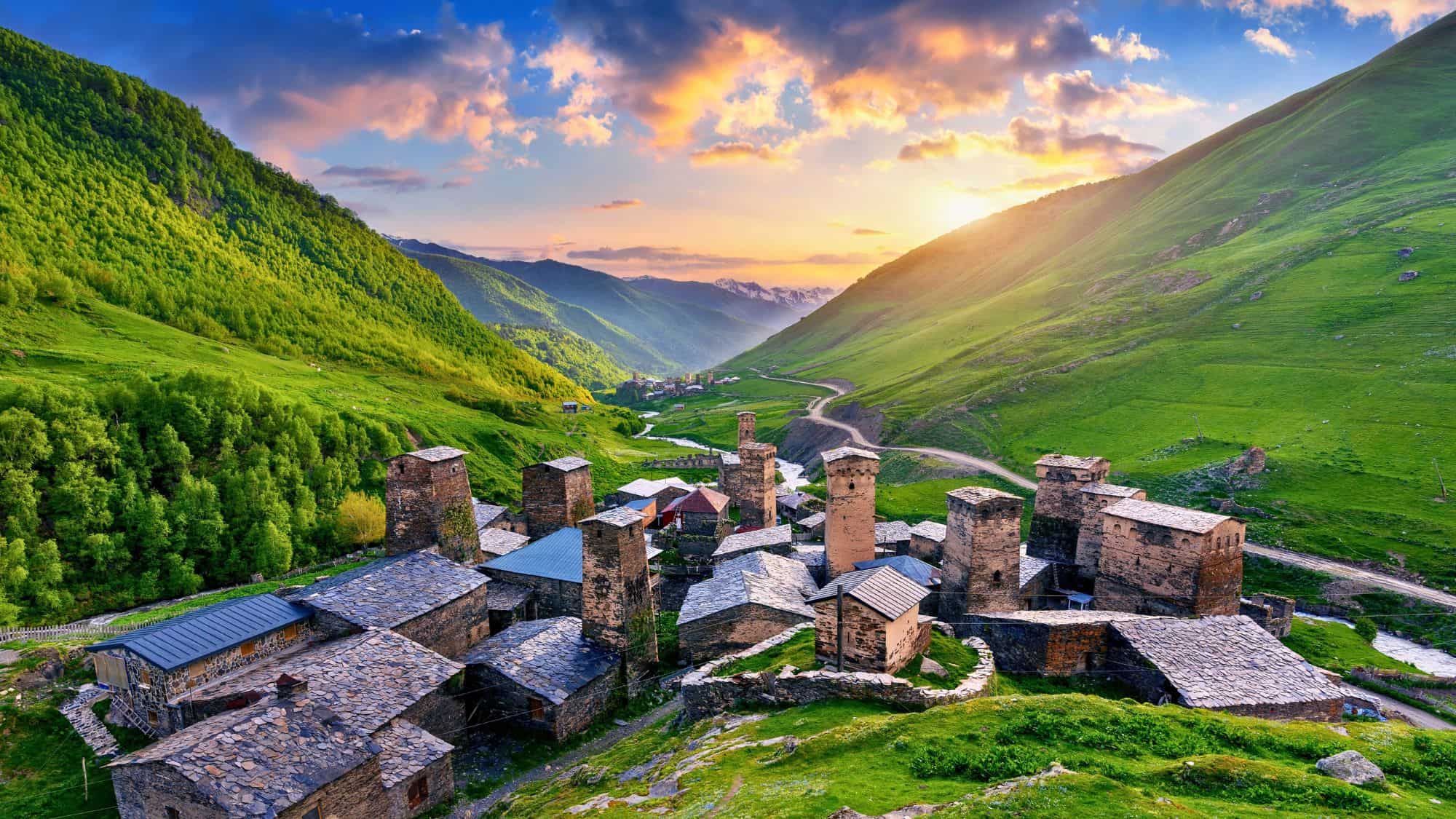
Situated at the crossroads of Europe and Asia, Georgia is a small country with a huge personality. It captivates visitors with its stunning mountain scenery, ancient winemaking traditions, and a capital city that is both historic and relentlessly hip.
The Caucasus Mountains dominate the northern part of the country, offering incredible hiking and skiing opportunities in regions like Svaneti, which is famous for its medieval stone towers that stand guard over picturesque villages.
Georgia is also widely considered the birthplace of wine, with archaeological evidence of viticulture dating back 8,000 years. A visit to the Kakheti wine region is a must, where you can sample wines fermented in traditional clay vessels called qvevri, a UNESCO-listed intangible cultural heritage practice.
The capital, Tbilisi, is a city of captivating contrasts, where historic sulfur bathhouses and ancient Orthodox churches sit alongside trendy art galleries, inventive wine bars, and modern architectural marvels like the Bridge of Peace.
Ethiopia

Ethiopia, often called the “Cradle of Mankind,” is a land of ancient wonders, dramatic landscapes, and a cultural heritage that is unique in Africa. It is the only African nation to have never been fully colonized, a fact that has allowed its distinct traditions and ancient Coptic Christian faith to flourish for centuries without interruption.
The rock-hewn churches of Lalibela, carved directly from single blocks of stone in the 12th century, are a marvel of engineering and devotion, often referred to as the “Eighth Wonder of the World.”
In the north, the ancient city of Axum holds legendary treasures, including towering obelisks and the supposed resting place of the Ark of the Covenant. And Simien Mountains National Park offers breathtaking hiking opportunities across a vast plateau, with chances to spot the endemic gelada baboon and the rare Walia ibex.
In the south, the Omo Valley is home to a remarkable diversity of indigenous groups, each with its own unique customs, languages, and traditions.
Ethiopia’s landscapes are as varied as its cultures, from the scorching Danakil Depression, one of the lowest and hottest places on Earth, to the cool highlands where coffee was first discovered.
Iceland
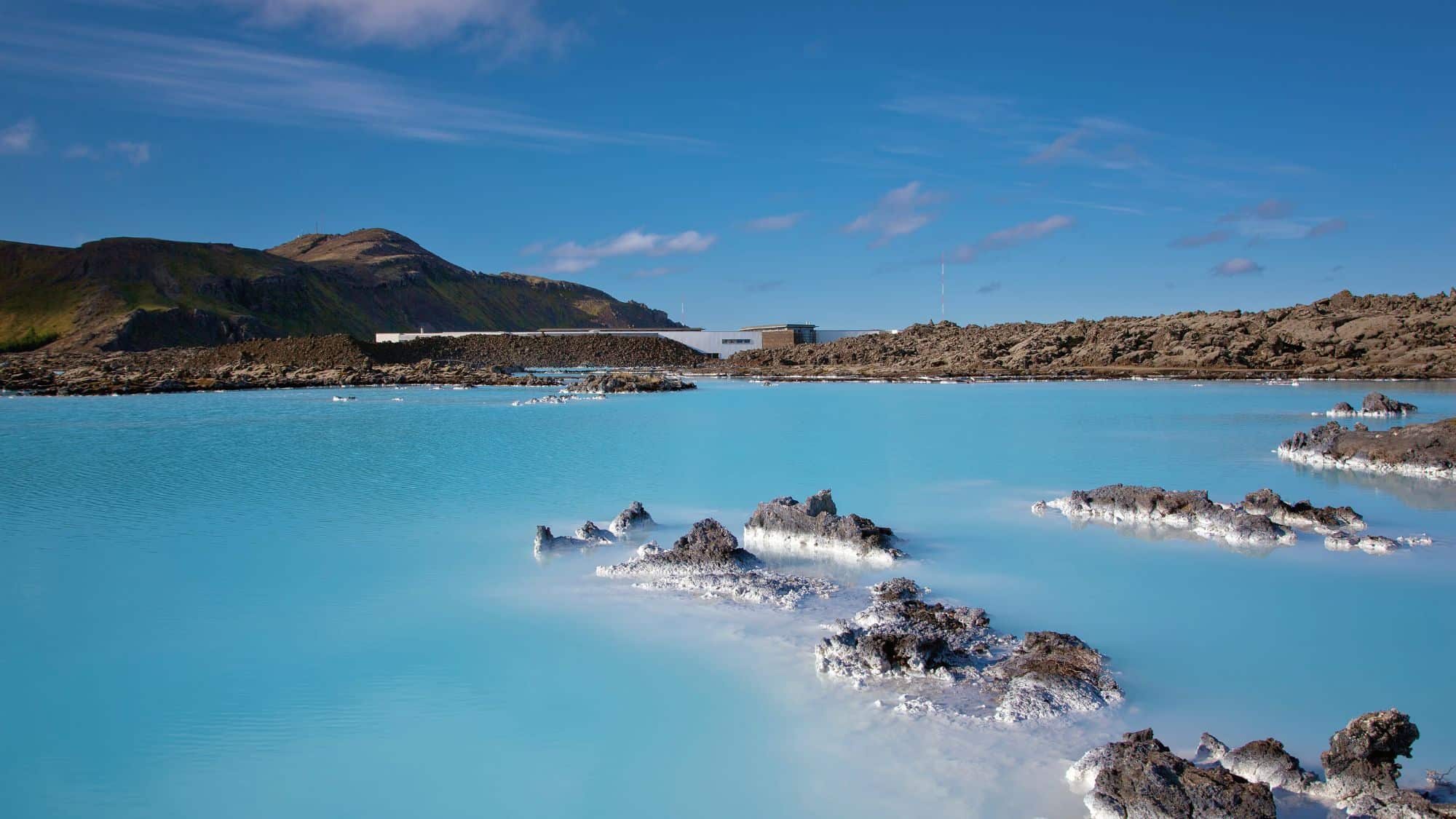
Though Iceland has seen a surge in popularity in recent years due to social media, it still feels like a land on the edge of the world, a place of raw, elemental power that leaves visitors in awe. Its landscapes are a dramatic spectacle of fire and ice, where volcanoes rumble beneath massive glaciers, geysers shoot boiling water high into the air, and the aurora borealis dances across the winter sky.
The Ring Road, which encircles the island, is one of the world’s great road trips, leading travelers past iconic black sand beaches, thundering waterfalls like Gullfoss and Skogafoss, and the ethereal beauty of the Jokulsarlon glacier lagoon, where icebergs drift out to sea.
Beyond the main tourist route, which can get busy in summer, vast and uninhabited highlands offer true solitude and adventure for those equipped to explore them. The remote Westfjords, a rugged peninsula in the northwest, boast dramatic cliffs teeming with puffins and quiet fishing villages that seem frozen in time.
Reykjavik, the world’s northernmost capital, is a compact and creative city with a vibrant music scene, excellent restaurants, and a surprisingly cozy atmosphere.
Jordan
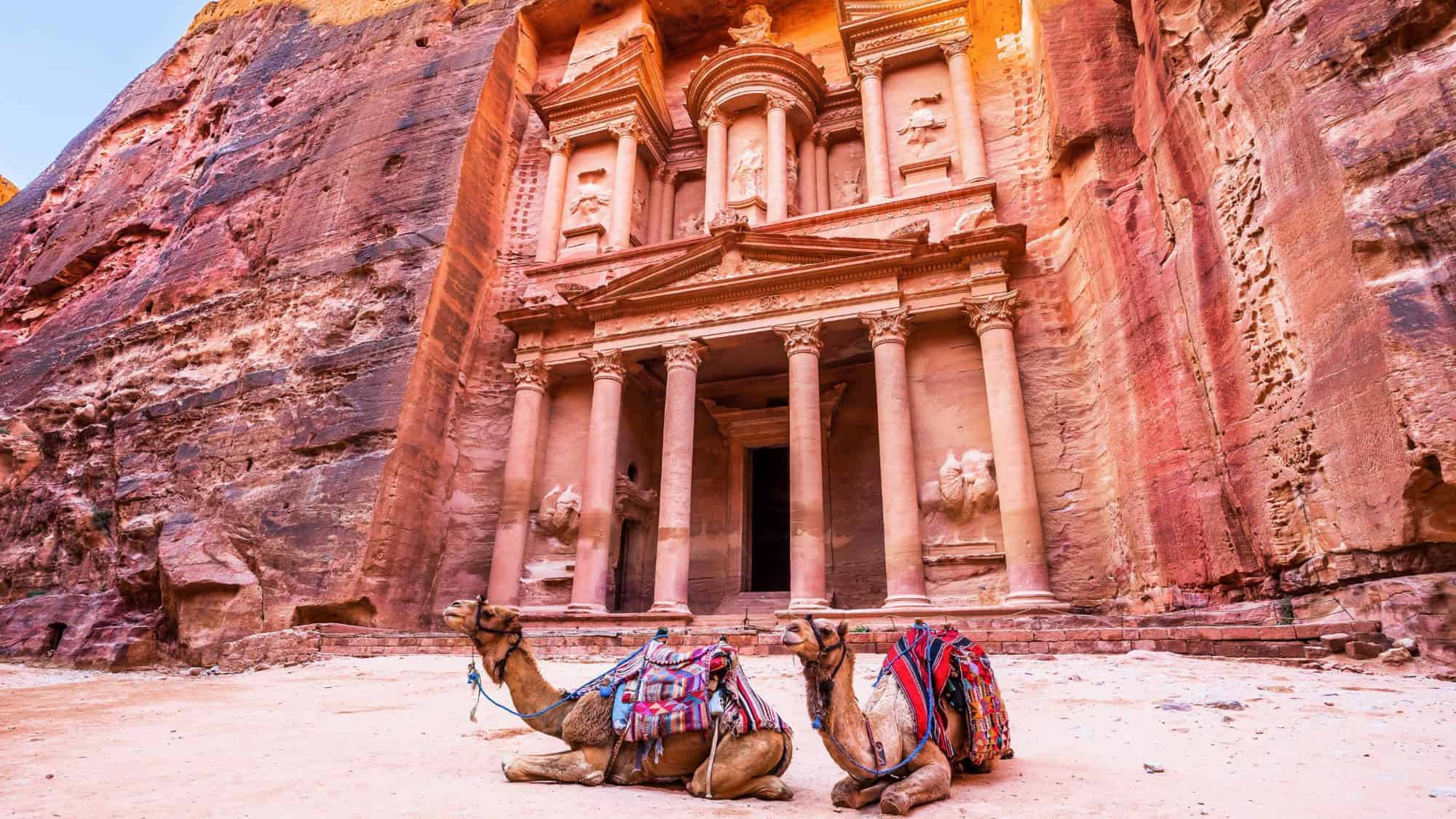
Jordan offers a passage through biblical landscapes, ancient cities, and breathtaking desert wonders.
The undisputed jewel of the country is the lost city of Petra, a breathtaking archaeological site where entire buildings were meticulously carved into rose-red canyon walls by the Nabataeans over 2,000 years ago. Walking through the narrow, winding Siq to catch that first, iconic glimpse of the Treasury is a truly magical moment that lives up to every expectation.
Beyond Petra, Jordan’s landscapes are equally impressive. The vast desert of Wadi Rum, with its towering sandstone mountains and sweeping red sands, is best explored on a 4×4 tour or camel safari, followed by a night under a blanket of brilliant stars in a traditional Bedouin camp.
At the lowest point on Earth, the Dead Sea offers the unique experience of floating effortlessly in its hyper-saline waters, which have a mineral content of over 30%. The country is also rich in Roman history, with the well-preserved ruins of Jerash standing as one of the best examples of a Roman provincial city in the entire Middle East.
Despite its location in a turbulent region, Jordan is a peaceful and remarkably welcoming country, where the tradition of hospitality is deeply ingrained in the culture and extended to all visitors.
Kazakhstan
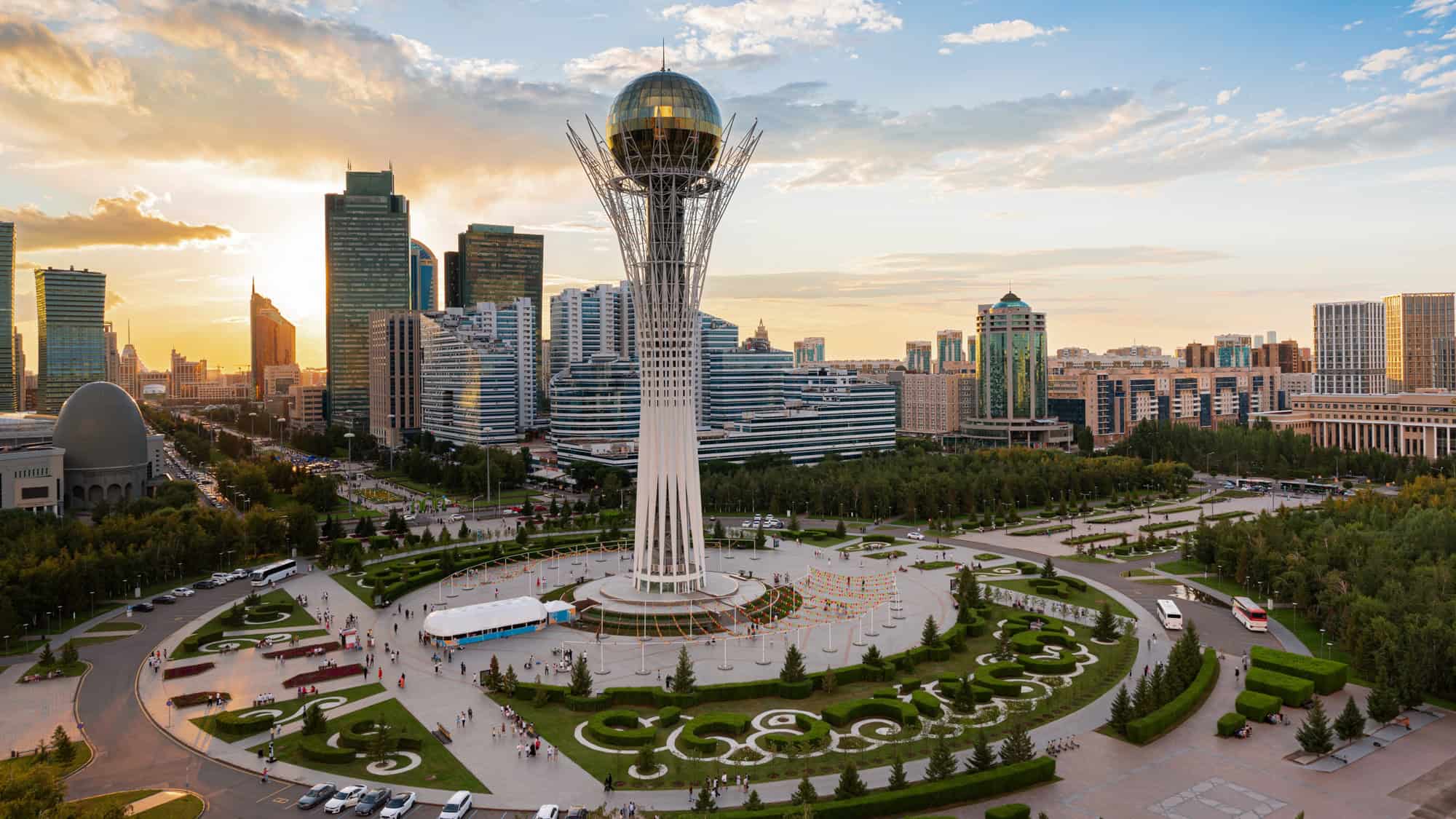
The ninth-largest country in the world, Kazakhstan is a land of immense scale and surprising diversity, stretching from the shores of the Caspian Sea to the Altai Mountains on the border with China and Russia.
For a long time, it was known primarily for its vast, empty steppes, but travelers are now discovering its stunning natural landscapes and rapidly modernizing cities.
The former capital, Almaty, is a green and sophisticated city located at the foot of the Tian Shan mountains, offering easy access to high-altitude lakes like the brilliant turquoise Big Almaty Lake and the Medeu ice-skating rink, the highest in the world. The new capital, Astana (now officially Nur-Sultan), is a futuristic showcase of ambitious and sometimes bewildering modern architecture.
For nature enthusiasts, Charyn Canyon offers a dramatic landscape of red rock formations often compared to a smaller version of the Grand Canyon. And in the west, the unique landscapes of the Mangystau region feature bizarre rock formations, underground mosques, and a stark desert beauty.
Kyrgyzstan

Kyrgyzstan is a paradise for mountain lovers and adventurers, a country where over 90% of the territory is covered by the towering peaks of the Tian Shan and Pamir ranges.
This landlocked nation in Central Asia is defined by its breathtaking natural beauty, from the vast alpine lake of Issyk-Kul, the world’s second-largest high-altitude lake, to the rolling green pastures where semi-nomadic shepherds live in yurts during the summer months.
The country offers some of the most accessible and affordable high-altitude trekking in the world. Popular routes include the challenging hike to Ala-Kul, a stunning turquoise lake nestled among glaciers at over 11,000 feet, and the trails around the serene Song-Kul lake.
Horseback riding is an essential part of the culture and a practical way to explore the jailoos, or summer pastures, making for an authentic Kyrgyz experience if you want to try your hand at it. And the country’s capital, Bishkek, is a pleasant, walkable city with Soviet-era architecture and leafy parks.
Laos

Laos is the quiet soul of Southeast Asia, a country that moves at a gentle, unhurried pace. It is defined by the mighty Mekong River, which flows the length of the country, and a landscape of rugged mountains, dense jungles, and shimmering rice paddies.
The former royal capital of Luang Prabang is a UNESCO World Heritage site, enchanting visitors with its beautifully preserved temples, French colonial architecture, and the serene daily morning ritual of saffron-robed monks collecting alms at sunrise.
Further south, the landscape becomes more dramatic around the town of Vang Vieng, where striking karst formations rise from the plains, offering opportunities for rock climbing, caving, and kayaking on the Nam Song River.
In the far south, the Si Phan Don, or 4,000 Islands, region is a tranquil archipelago in the Mekong where life slows to a crawl. Here, the main activities are relaxing in a hammock, cycling through rice fields, and watching for the rare Irrawaddy dolphin.
Laos offers a glimpse into a more traditional and less commercialized side of Southeast Asia. It is a country that encourages you to slow down, breathe deeply, and appreciate the simple beauty of the moment, making it a perfect antidote to the hustle of modern life.
Moldova
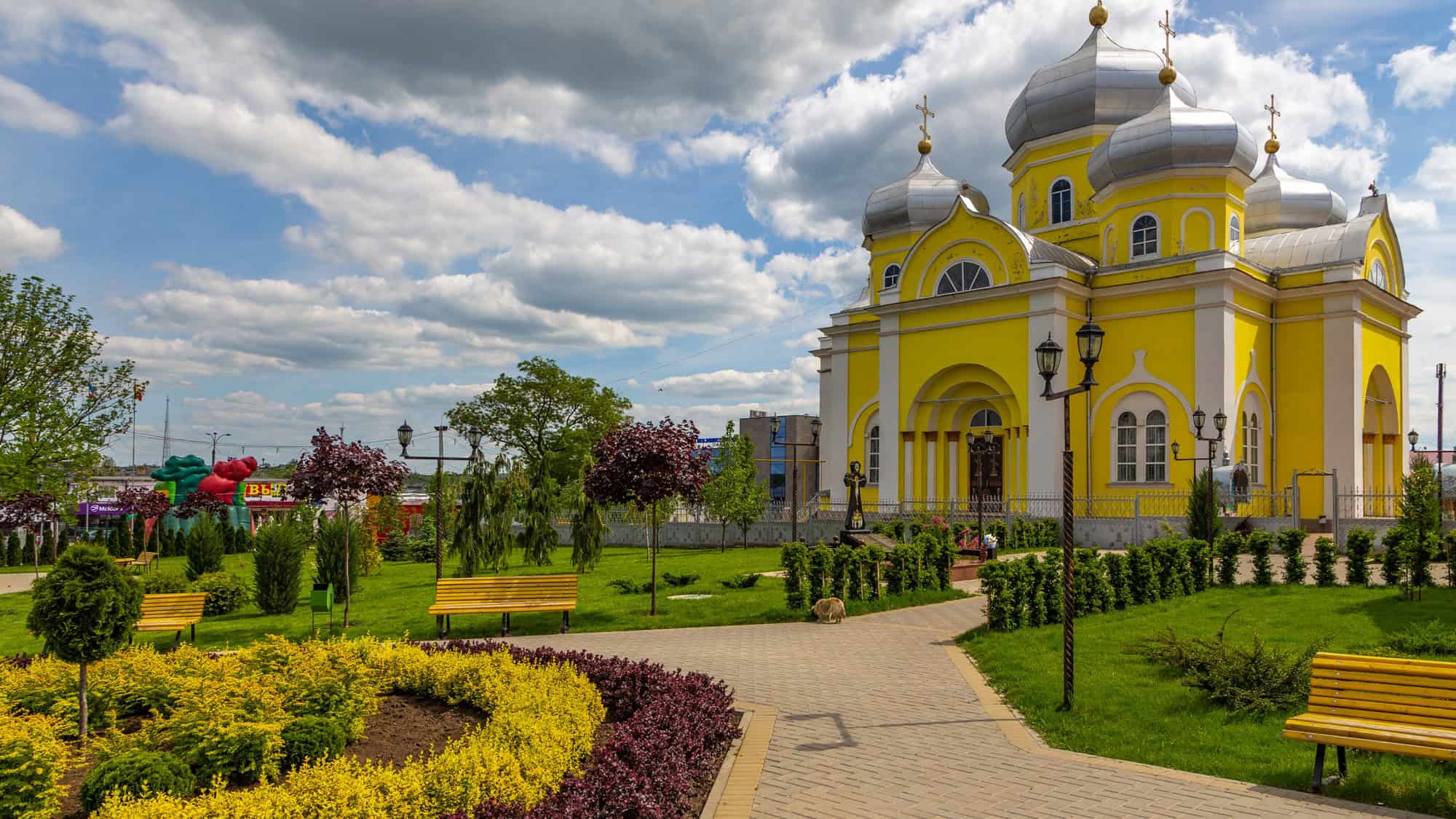
Sandwiched between Romania and Ukraine, Moldova is one of Europe’s least-visited countries, making it a true hidden gem for curious travelers looking for something different.
This small nation is best known for its exceptional wine, with vast underground cellars that are a marvel to explore. The cellars of Milestii Mici are listed in the Guinness World Records for holding the largest wine collection in the world, with limestone tunnels stretching for over 120 miles. And not far away, the Cricova cellars are so large that you have to drive through them in a vehicle.
Beyond wine, Moldova offers a glimpse into a way of life that has changed little over the decades. The countryside is a rolling landscape of farms, sunflower fields, and forests, dotted with ancient monasteries like Orheiul Vechi, a stunning 13th-century complex of caves and chapels carved into a limestone cliff overlooking the Raut River.
A visit to the breakaway territory of Transnistria offers a surreal journey back in time to the days of the Soviet Union, complete with its own currency, border guards, and hammer-and-sickle iconography.
Montenegro
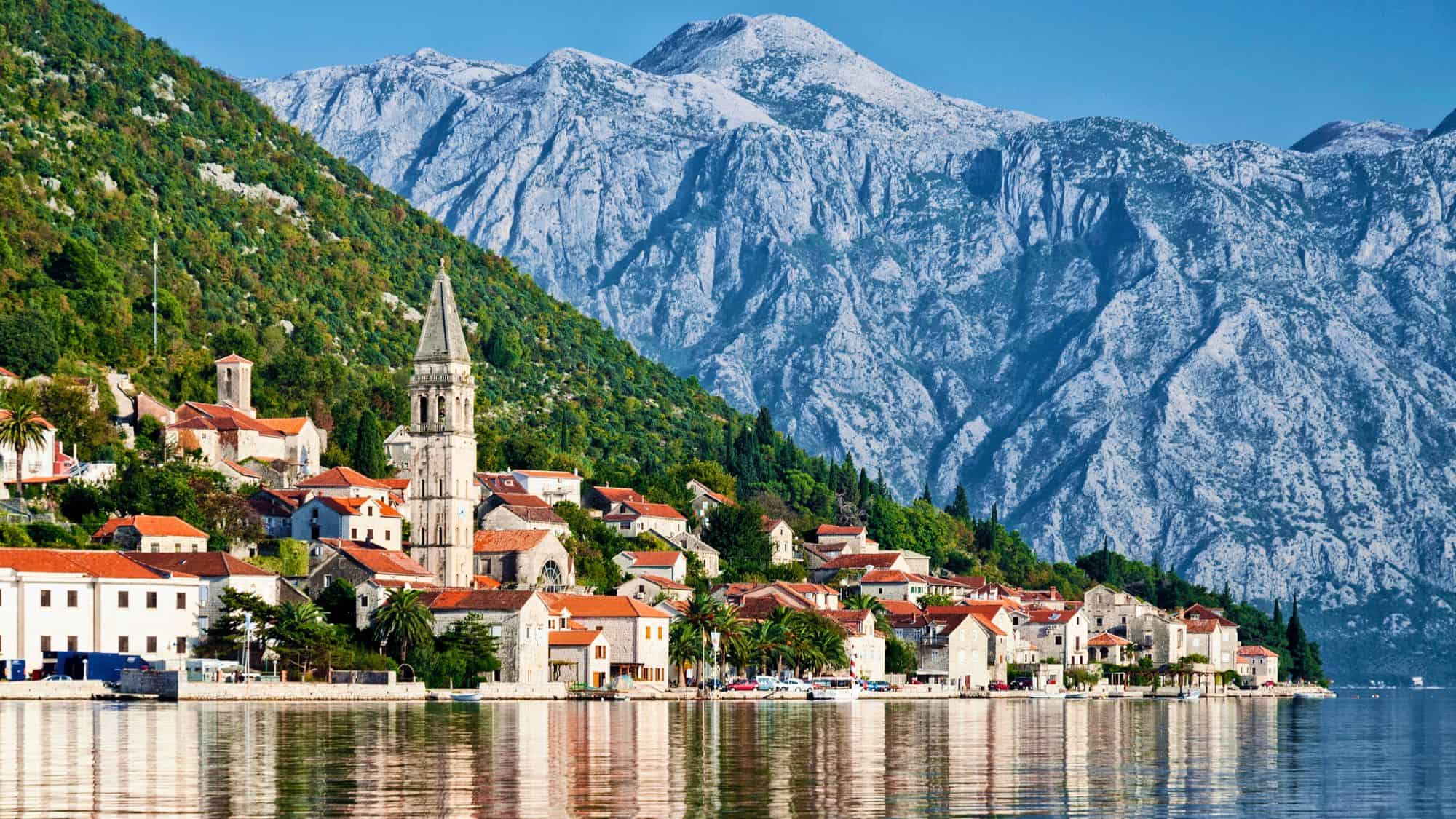
Montenegro may be small, but it packs a stunning amount of natural beauty into its compact borders, proving that good things often come in small packages. Its dramatic coastline along the Adriatic Sea is dotted with charming medieval towns and secluded coves, while its rugged interior is a wild expanse of mountains, canyons, and glacial lakes.
The Bay of Kotor, often described as Europe’s southernmost fjord, is a submerged river canyon surrounded by sheer limestone cliffs, with the fortified town of Kotor at its heart. Climbing the 1,350 steps up the fortress walls to the Castle of San Giovanni offers an unforgettable, panoramic view of the bay.
Further down the coast, the glamorous resort of Budva combines an ancient, walled old town with a lively nightlife scene and beautiful beaches.
Inland, Durmitor National Park is a UNESCO World Heritage site and a paradise for hikers. It’s home to the Tara River Canyon, the deepest canyon in Europe. The park’s Black Lake is a pristine glacial lake perfect for a refreshing swim or paddle in the summer.
Namibia
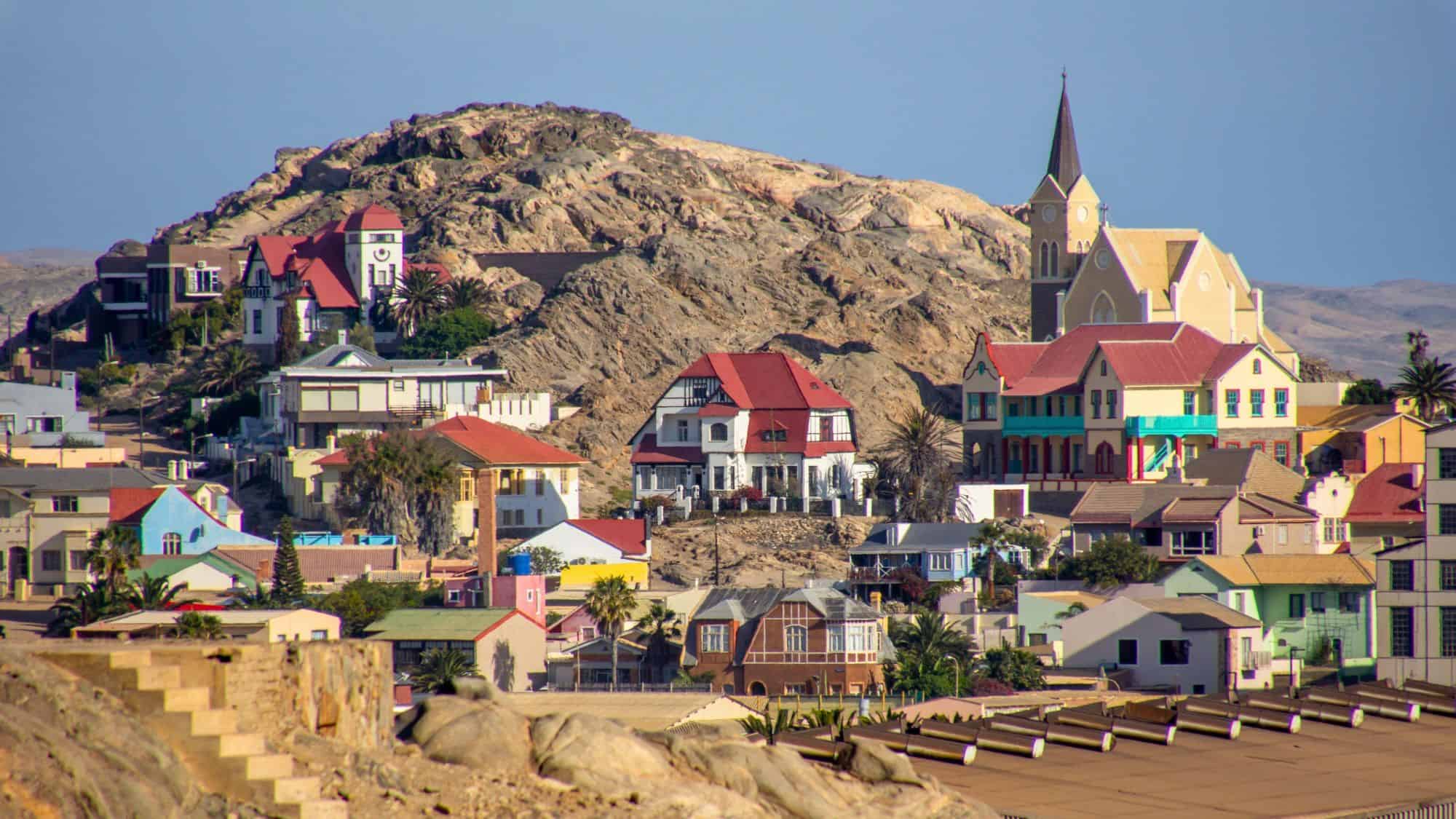
Namibia is a country of vast, empty spaces and surreal landscapes that feel almost cinematic in their scale and beauty. It is a destination that appeals to photographers, adventure seekers, and anyone who appreciates the stark, quiet beauty of the desert.
The Namib Desert, considered the oldest in the world at some 55 million years, is home to some of the planet’s highest sand dunes, particularly in the Sossusvlei area. Climbing the iconic Dune 45 or the towering Big Daddy at sunrise to watch the colors of the desert shift from soft purple to fiery orange is an unforgettable experience.
Nearby, Deadvlei presents a hauntingly beautiful scene of ancient, petrified camel thorn trees standing on a white clay pan against a backdrop of towering red dunes.
Etosha National Park, in the north of the country, offers one of Africa’s best wildlife viewing experiences. Its massive salt pan creates a shimmering white landscape that attracts large herds of elephants, rhinos, lions, and giraffes to its waterholes, especially during the dry season.
And don’t forget about the Skeleton Coast. It’s a desolate and fog-shrouded stretch of coastline littered with shipwrecks and whale bones, a powerful testament to the harshness of the Atlantic.
Like Our Content? Follow Us On MSN (or click the Follow Button above) to see more from Traveling In Focus.