Found By Accident contains affiliate links and is a member of the Amazon Services LLC Associates Program. If you make a purchase using one of the Amazon links (or other affiliate links), we may receive compensation at no extra cost to you. See our disclosure policy for more information.
7 Dreamy Destinations For 2026 That Deserve A Spot On Your Travel Plans
The way we explore the world has changed. Travel is no longer just about seeing famous sights or adding another stamp to a passport.
Instead, it has become a search for something deeper, a chance to find connection, quiet moments, and a better understanding of how others live in harmony with their surroundings. And planning for 2026 presents a unique opportunity to rethink what we want from our time away.
It’s time to look for destinations that do more than just entertain. Instead, we should be seeking places that spark our curiosity while also calming our minds.
Each year, Lonely Planet shares a list of destinations that captures the modern spirit of travel, highlighting locations that champion sustainability, community, and the kind of beauty that leaves you breathless. These are places that invite you to slow down, to notice the small details, and to discover a pace of life that feels refreshingly different.
We’ve chosen to highlight just a few of the exceptional spots from their latest list to feature, but you can see the complete collection of “Best in Travel 2026” on Lonely Planet.
Maine
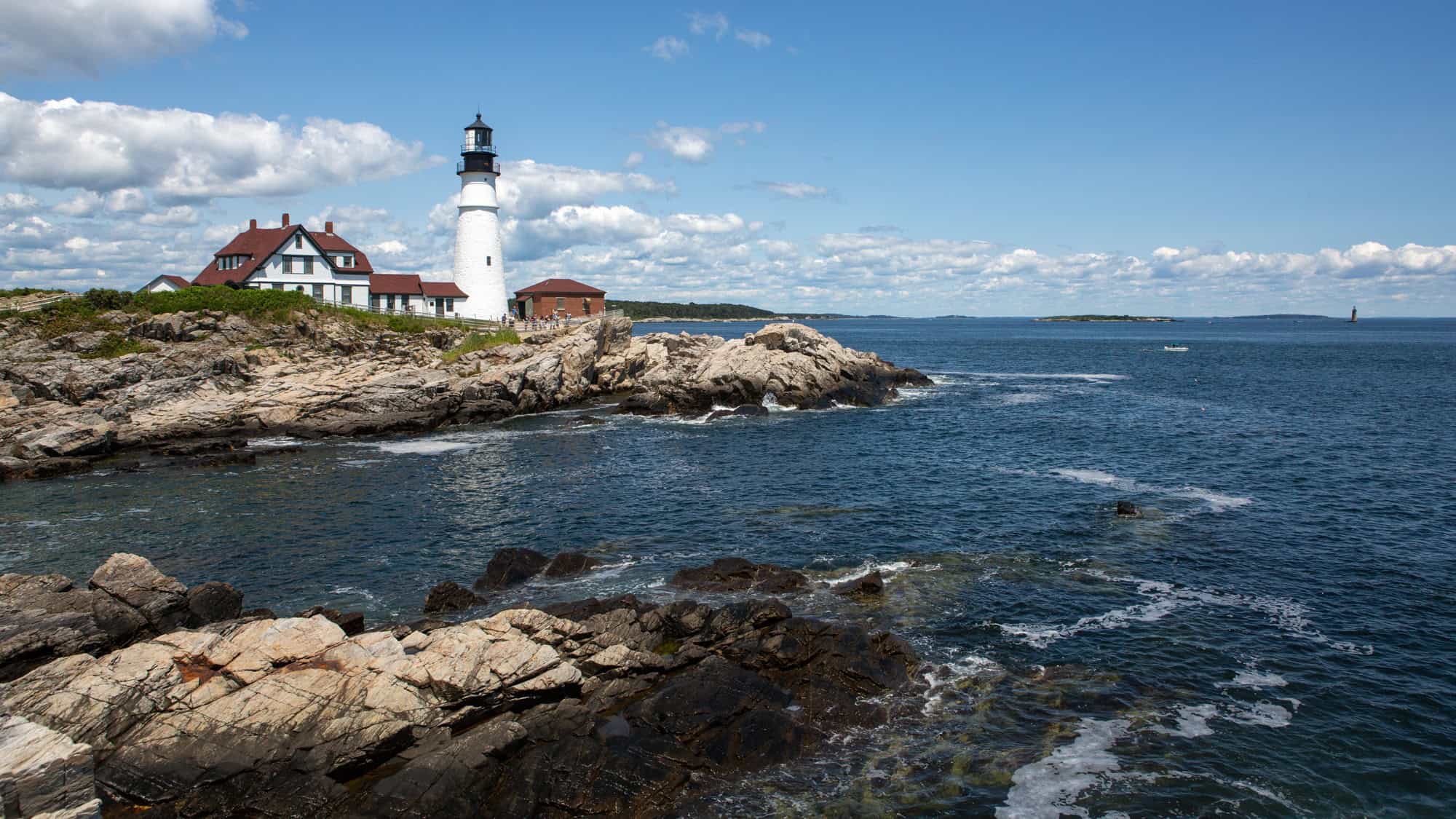
The northeastern tip of the United States offers a rugged beauty that feels both timeless and invigorating. Maine is known as “Vacationland” for good reason, but its appeal goes far beyond summer lobster rolls.
This state features over 3,478 miles of tidal coastline, which is actually longer than the coastline of California. You can explore rocky cliffs, hidden coves, and dense forests that seem to drop straight into the Atlantic Ocean.
It is a place where nature dictates the pace of life, and the salty air wakes you up the moment you step outside.
Acadia National Park is the crown jewel here, covering approximately 49,000 acres on Mount Desert Island and the surrounding areas. It is one of the top 10 most-visited national parks in the U.S., yet you can still find solitude on its quieter trails if you visit during the shoulder seasons.
You might hike up Cadillac Mountain to catch the first sunrise in the country or bike along the historic carriage roads. And the towns surrounding the park, like Bar Harbor, offer cozy inns and fresh seafood caught just hours before it lands on your plate.
Beyond the park, the interior of Maine is a vast expanse of wilderness. You will find thousands of acres of pine forests and clear, cold lakes perfect for canoeing.
Mexico City, Mexico
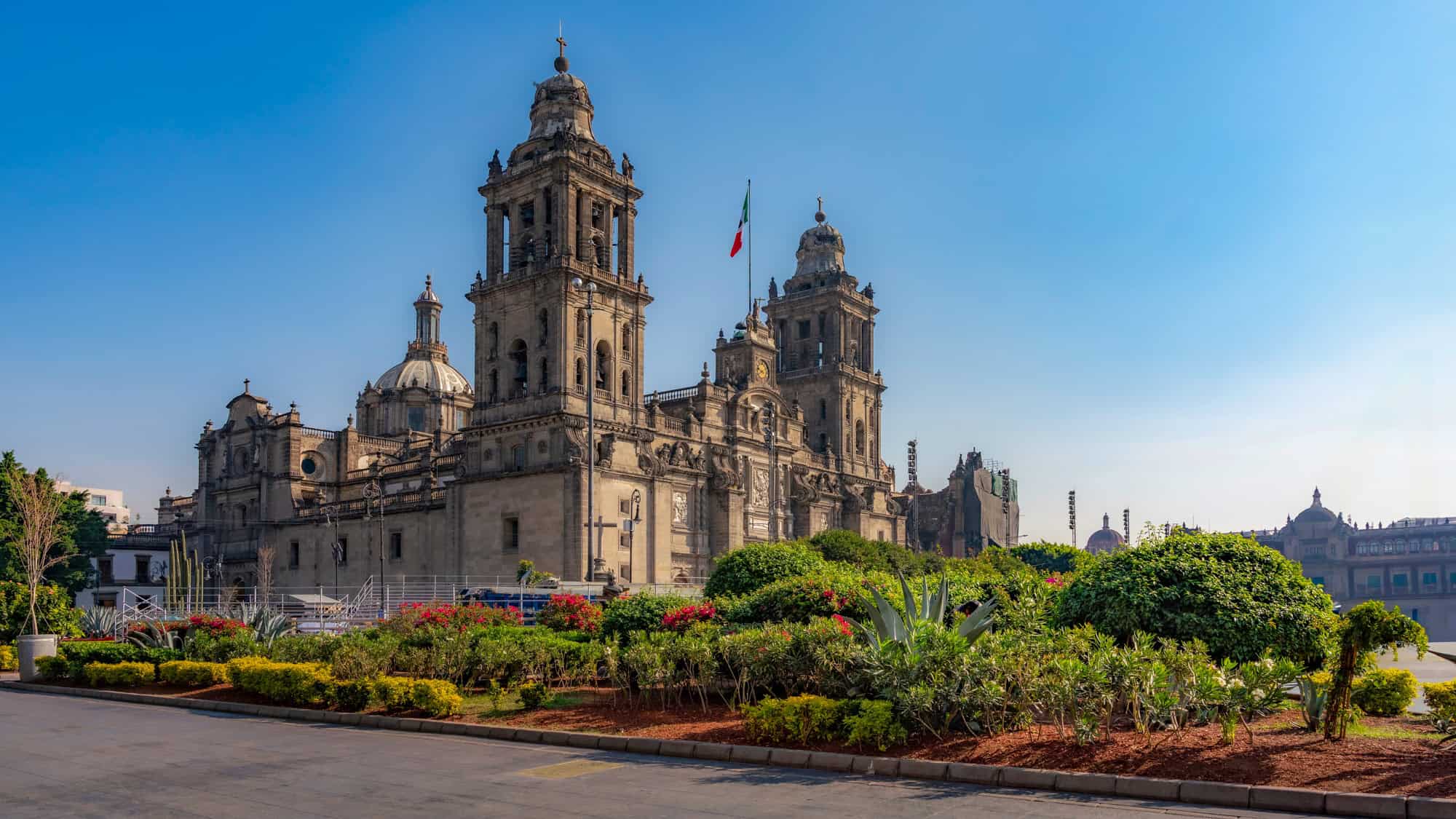
For a retreat that stimulates the senses and energizes the mind, Mexico City is an unmatched destination.
This sprawling capital sits at an altitude of 7,350 feet, which gives the air a crisp quality, especially in the mornings and evenings. It is also one of the oldest continuously inhabited urban settlements in the Western Hemisphere, built on the ruins of the Aztec capital Tenochtitlan.
You can feel this deep history in the architecture, from ancient temple ruins sitting right next to Spanish colonial cathedrals and modern skyscrapers.
The city is a cultural powerhouse, boasting more than 150 museums. This makes it second only to London in terms of the number of museums in a single city.
You could spend weeks here and barely scratch the surface of the art and history on display. The National Museum of Anthropology alone contains the world’s largest collection of ancient Mexican art.
But the culture is not just inside buildings; it lives on the streets. You will find vibrant markets selling everything from colorful textiles to spicy street corn. Food is another major draw, with a culinary scene that ranges from humble taco stands to world-renowned fine dining.
The city’s energy is infectious, yet there are plenty of green spaces like Chapultepec Park, which is twice the size of New York’s Central Park, offering a massive urban refuge for relaxation.
Finland
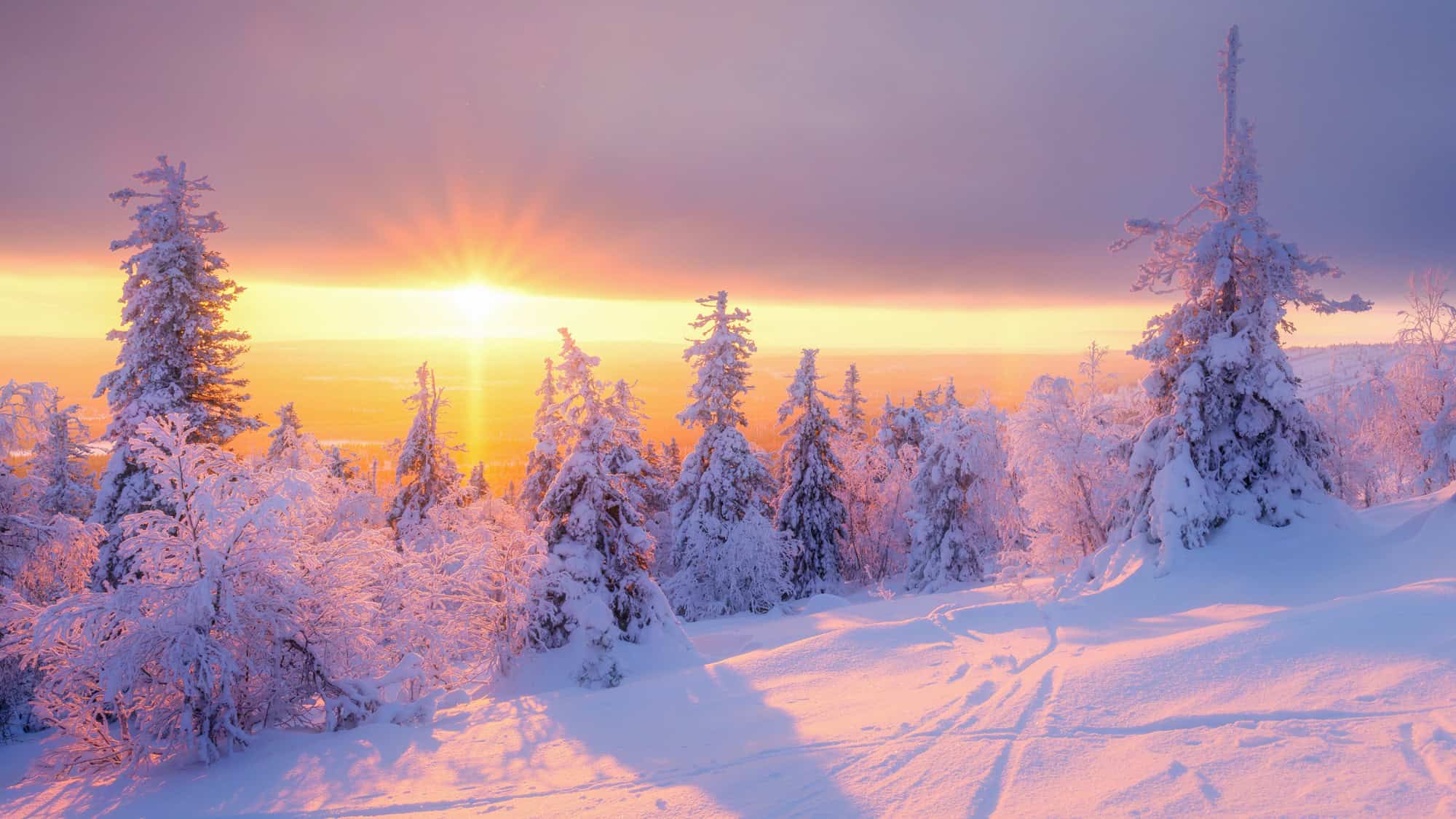
If your idea of a retreat involves pristine nature and a high standard of living, Finland should be at the top of your list.
This Nordic nation has been named the happiest country in the world by the World Happiness Report for six consecutive years. The Finnish lifestyle emphasizes a balance between work and leisure, with a heavy focus on spending time outdoors.
You will quickly understand why the locals are so content when you breathe the exceptionally clean air and experience the quiet of the landscape.
Water is a defining feature here, as Finland is known as the “Land of a Thousand Lakes.” In reality, there are about 188,000 lakes across the country. This abundance of water means that swimming, boating, and fishing are integral parts of daily life, especially in the summer when the sun barely sets.
You can rent a cottage by a lake and spend your days alternating between the water and the sauna. Speaking of saunas, they are a national obsession. There are estimated to be over 3 million saunas in Finland, which is roughly one for every two people.
In the winter, the country transforms into a snowy wonderland. You can head north to Lapland to witness the Aurora Borealis, or Northern Lights, which are visible on roughly 200 nights a year in the region. The landscape is blanketed in white, and the silence is profound.
North Island, New Zealand
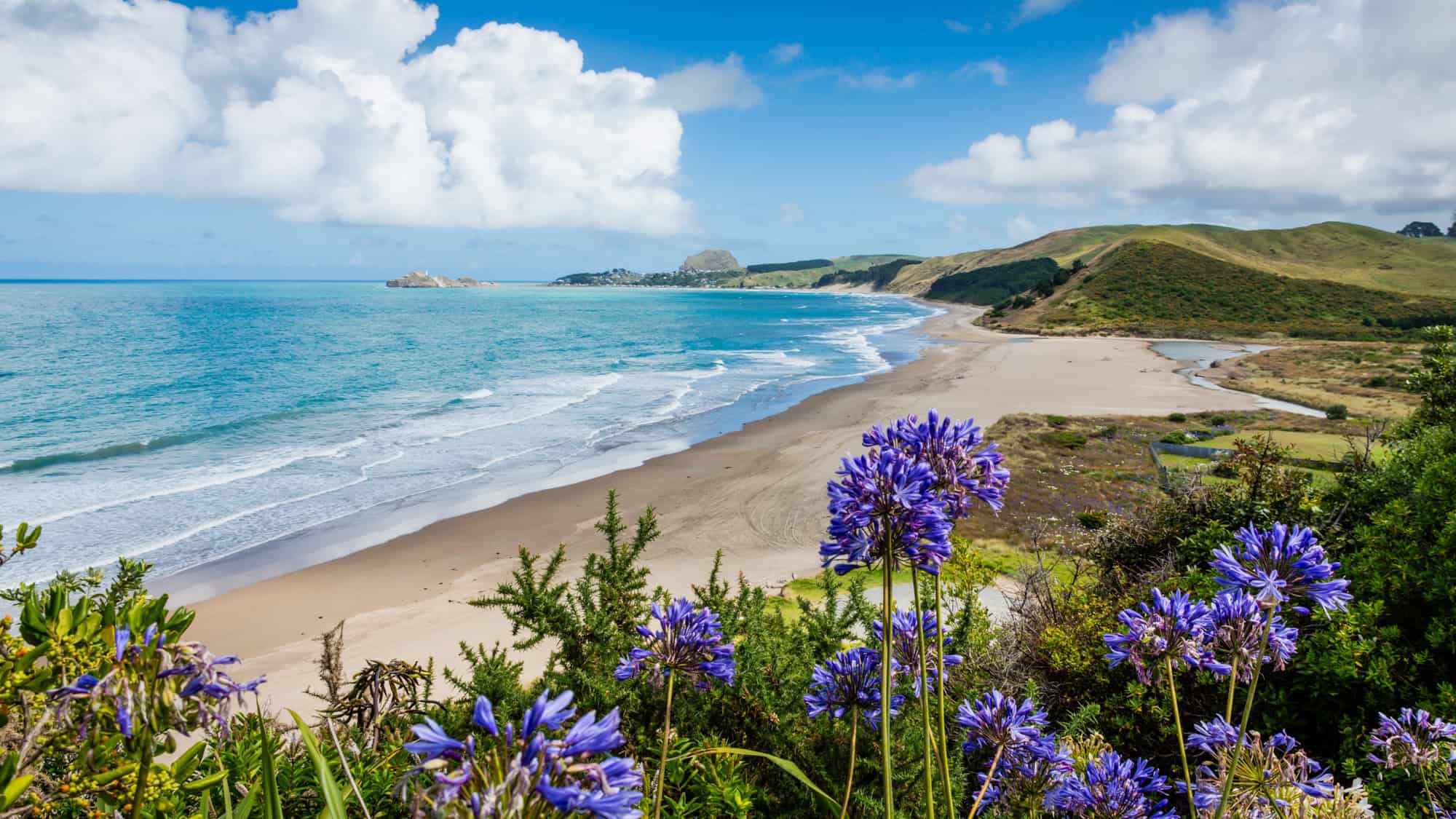
New Zealand is often split into two distinct experiences, and the North Island offers a fascinating mix of geothermal wonders, Maori culture, and subtropical beaches. It is home to about 77% of the country’s population, yet it retains vast areas of untouched natural beauty.
You can drive from a bustling city harbor to a desolate black sand beach in less than an hour. And the variety of landscapes packed into this island makes it perfect for travelers who want to see a lot without spending days in transit.
One of the most striking features of the North Island is its volcanic activity. You can visit Rotorua to see geysers shooting boiling water into the air and mud pools bubbling on the ground. The smell of sulfur is strong, but the landscape is unique and worth a visit.
Further south is Lake Taupo, the largest lake in New Zealand by surface area, sitting in the caldera of a supervolcano. It is roughly the size of Singapore. This massive body of water offers trout fishing, boating, and swimming in crystal-clear water.
For those interested in culture, the North Island is the heartland of the Maori people. You can visit historic meeting grounds, known as Marae, and learn about the traditions and history that shape the nation.
If you are a fan of film, you might know that the Hobbiton Movie Set is located near Matamata. You can tour the permanent set, which features 44 Hobbit holes nestled into the rolling green hills.
Botswana
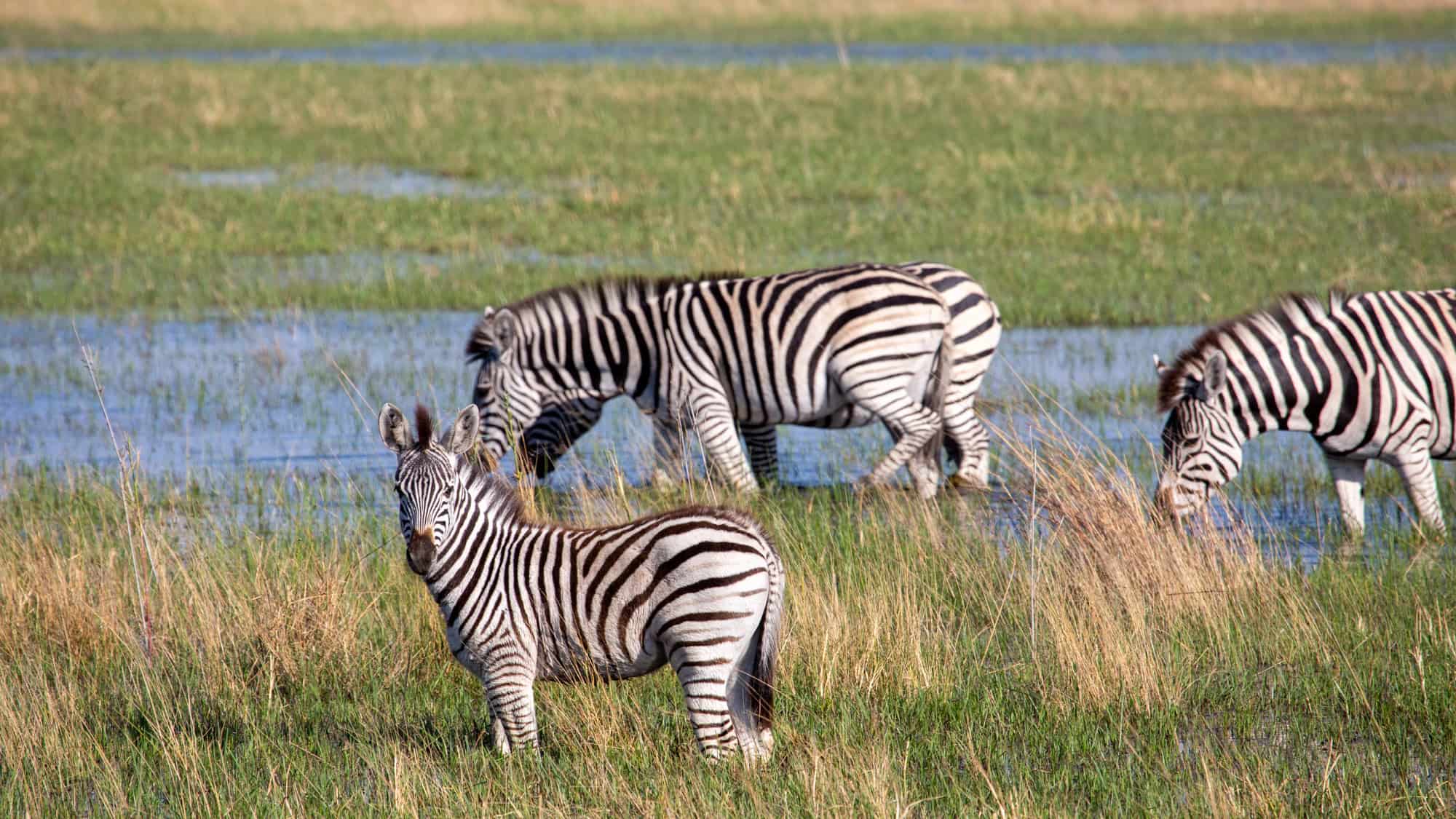
Botswana offers a retreat into the wild that is both luxurious and deeply respectful of nature. Approximately 38% of Botswana’s total land area is dedicated to national parks, reserves, and wildlife management areas. This commitment to conservation allows animals to roam freely across vast landscapes.
But the country has adopted a high-value, low-volume tourism model, which means you will rarely encounter crowds while on safari. This approach protects the environment and ensures that your wildlife encounters feel intimate and exclusive.
The Okavango Delta is the star attraction here. It is one of the world’s largest inland deltas, covering between 1.5 and 4 million acres, depending on the season. And unlike most river deltas that flow into the ocean, the Okavango floods onto the savanna, creating a lush wetland in the middle of the Kalahari Desert.
You can explore this waterlogged paradise by mokoro, a traditional dugout canoe, gliding silently past hippos and crocodiles. The birdwatching is spectacular, and the sense of peace on the water is absolute.
Botswana is also famous for having the largest elephant population in Africa, with estimates of over 130,000 elephants roaming the country. You will likely see herds of them in Chobe National Park, congregating along the riverbanks to drink and bathe. Seeing these majestic creatures in such large numbers is a humbling experience.
The combination of diverse ecosystems, from the salt pans of the Makgadikgadi to the woodlands of Chobe, makes Botswana a dynamic destination for reconnecting with the raw power of the natural world.
Theodore Roosevelt National Park, North Dakota
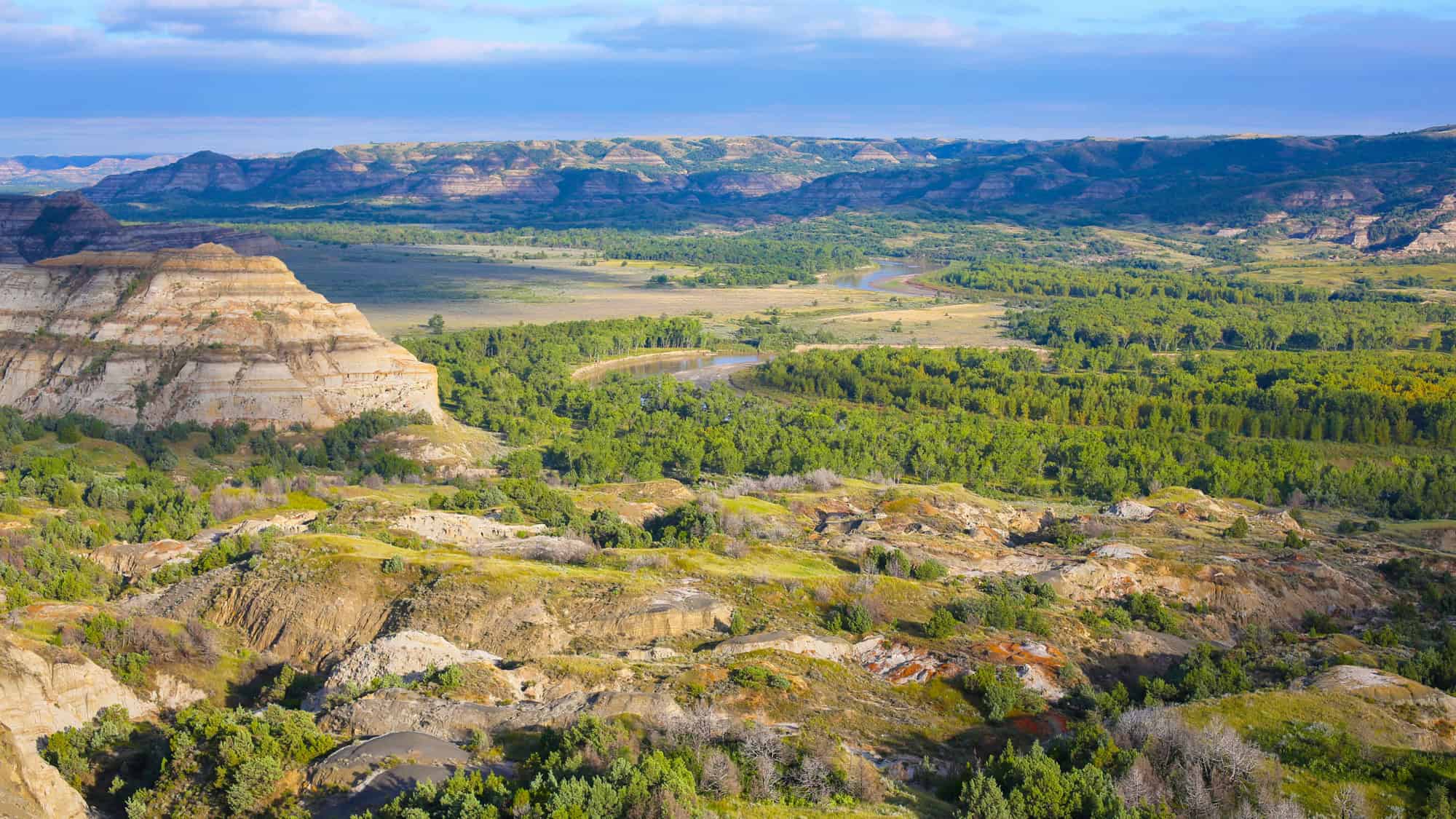
For a getaway that feels off the beaten path, consider the rugged badlands of North Dakota.
Theodore Roosevelt National Park is divided into three distinct units: the South Unit, the North Unit, and the Elkhorn Ranch Unit. Together, they cover more than 70,000 acres of painted canyons and grassy plateaus.
This landscape deeply influenced President Theodore Roosevelt, who credited his time here with inspiring his conservation policies. You can visit the site of his ranch and see the cabin where he lived, gaining insight into the history of American conservation.
The park is less visited than many of its western counterparts, which means you can hike for miles without seeing another person. The silence is heavy and comforting, broken only by the wind or the call of a coyote.
The scenery is dramatic, with layers of sediment creating colorful stripes in the rock formations. You will see bands of red scoria, gray bentonite, and black coal veins. It is a geologist’s dream and a photographer’s paradise, especially at sunset when the rocks glow with intense warmth.
Wildlife is also abundant and often easy to spot against the open terrain. The park is home to hundreds of bison, which you might see grazing near the road or dusting themselves in the dirt.
You can also spot feral horses, elk, and sprawling prairie dog towns. Watching the intricate social interactions of prairie dogs is a surprisingly entertaining way to spend an afternoon.
Siem Reap, Cambodia
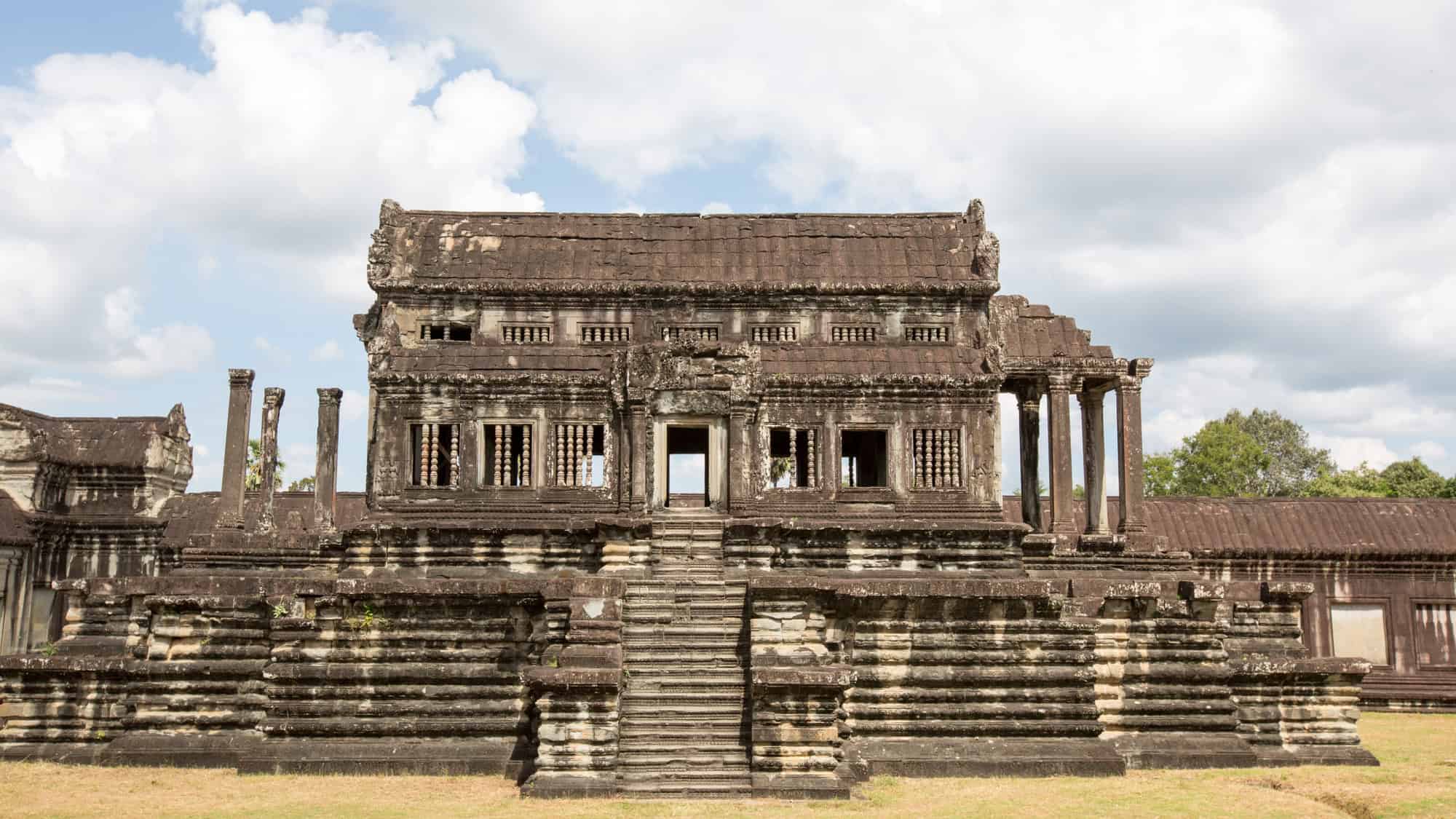
Siem Reap is often just a gateway for tourists rushing to see the temples, but it deserves to be a retreat destination in its own right. The town serves as the entry point for the Angkor Archaeological Park, which stretches nearly 10,000 acres.
This massive complex contains the remains of the different capitals of the Khmer Empire, from the 9th to the 15th century. It is a place of immense spiritual and historical significance, where ancient stone structures rise out of the jungle.
The most famous temple, Angkor Wat, is the largest religious monument in the world, covering a rectangular area of about 400 acres. It was originally constructed as a Hindu temple dedicated to the god Vishnu, and later transformed into a Buddhist temple.
Watching the sun rise over its five lotus-like towers is a bucket-list experience, but taking time to explore the lesser-known temples nearby can be even more rewarding. You can wander through ruins strangled by massive tree roots at Ta Prohm or admire the intricate pink sandstone carvings at Banteay Srei.
Back in town, Siem Reap has evolved into a sophisticated hub with a relaxed atmosphere. You can find boutique hotels with lush gardens, spas offering traditional Khmer massages, and a thriving arts scene.
The Phare Circus, which performs nightly, blends theater, music, and acrobatics to tell Cambodian stories. It is a social enterprise that supports local youth.
You can also take a boat trip to the floating villages on Tonle Sap Lake, the largest freshwater lake in Southeast Asia. Seeing how communities live entirely on the water offers a poignant perspective on resilience and adaptation.
Like Our Content? Follow Us On MSN (or click the Follow Button above) to see more from Traveling In Focus.