Found By Accident contains affiliate links and is a member of the Amazon Services LLC Associates Program. If you make a purchase using one of the Amazon links (or other affiliate links), we may receive compensation at no extra cost to you. See our disclosure policy for more information.
12 Countries That Make Long-Term Travel Possible On A Realistic Budget
Stretching your travel budget doesn’t mean sacrificing quality. Plenty of incredible destinations around the world offer rich cultural experiences, stunning landscapes, and memorable adventures at prices that make extended stays not only possible but genuinely affordable.
From Eastern Europe’s historic cities to Southeast Asia’s tropical islands, these countries welcome American travelers with open arms and wallet-friendly costs that can make a two-week vacation feel more accessible than a long weekend at home.
The key to maximizing your travel experience lies in choosing destinations where the U.S. dollar goes further. Daily expenses like accommodation, meals, transportation, and activities can cost a fraction of what you’d pay in more tourist-heavy locations. This means you can stay longer, explore deeper, and immerse yourself more fully in local culture without constantly checking your bank account.
The countries on this list offer exceptional value while delivering authentic experiences that rival any high-priced destination.
Poland
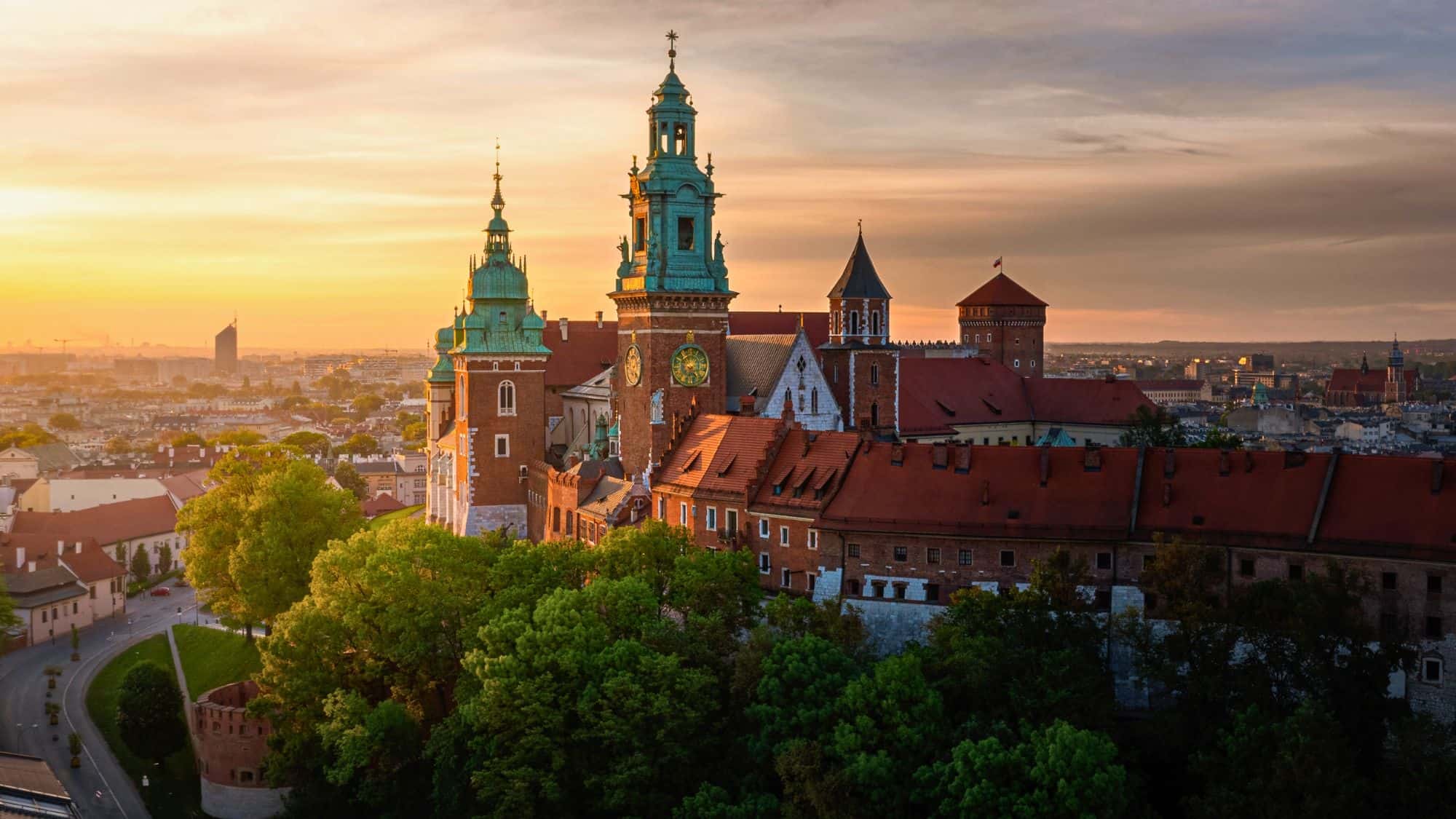
Poland often surprises visitors with how modern and efficient it feels while maintaining prices that are significantly lower than those of its western neighbors.
You can comfortably explore major cities like Krakow or Warsaw on a daily budget of $40-60 USD, which includes staying in well-located boutique hotels or spacious apartments. The train system is reliable and inexpensive, allowing you to traverse the country from the Baltic Sea in the north to the Tatra Mountains in the south without renting a car.
Krakow remains the country’s biggest draw, having escaped the worst of WWII destruction. Its massive medieval market square is one of the largest in Europe, buzzing with flower sellers and horse-drawn carriages.
Just a short train ride away lies the Wieliczka Salt Mine, where miners carved intricate chapels, statues, and chandeliers entirely out of rock salt deep underground. It is a UNESCO World Heritage site that feels like entering a fantasy novel.
For nature lovers, the southern town of Zakopane serves as the gateway to the Tatra Mountains. Here, hiking trails offer spectacular views of jagged peaks and mountain lakes like Morskie Oko, often cited as one of the most beautiful lakes in the world. Entry to national parks is nominal, usually just a couple of dollars.
Hungary
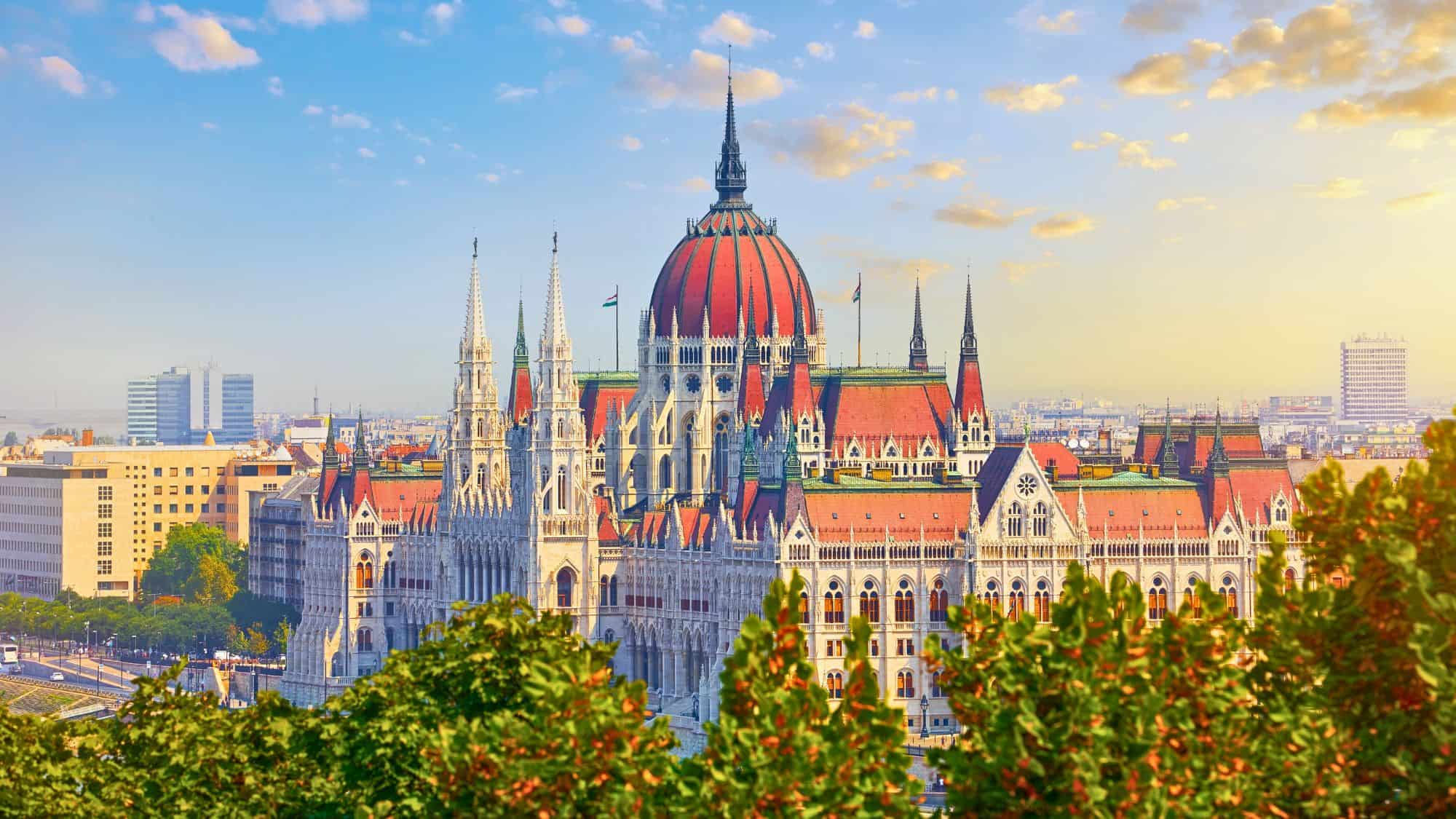
Budapest is frequently cited as one of the best-value capitals in Europe, but the affordability extends well beyond the city limits.
The Hungarian capital is actually two cities, Buda and Pest, separated by the Danube River, and it offers a level of architectural grandeur that rivals Vienna at a fraction of the cost. You can spend hours soaking in the famous Szechenyi or Gellert thermal baths for around $20-25 USD, a tradition that dates back to Roman times and was expanded during the Ottoman occupation.
The city comes alive at night, particularly in the Jewish Quarter, where “ruin bars” have taken over dilapidated pre-war buildings. These unique venues are decorated with mismatched furniture and eclectic art, creating a nightlife scene that is entirely unique to Budapest.
A night out here is incredibly friendly on the wallet compared to other European capitals.
Venturing outside Budapest reveals the Hungarian countryside’s quiet charm. Lake Balaton, often called the “Hungarian Sea,” is the largest freshwater lake in Central Europe. It’s a summer haven where you can sail, swim, or visit the Tihany Abbey, founded in 1055, which offers sweeping views over the teal waters.
The wine region of Eger is another highlight, famous for its “Bull’s Blood” red wine. You can visit the Valley of the Beautiful Women to sample local vintages directly from cellars carved into the hillside, often for just a few dollars per glass, making it an ideal spot for a relaxed afternoon.
Vietnam
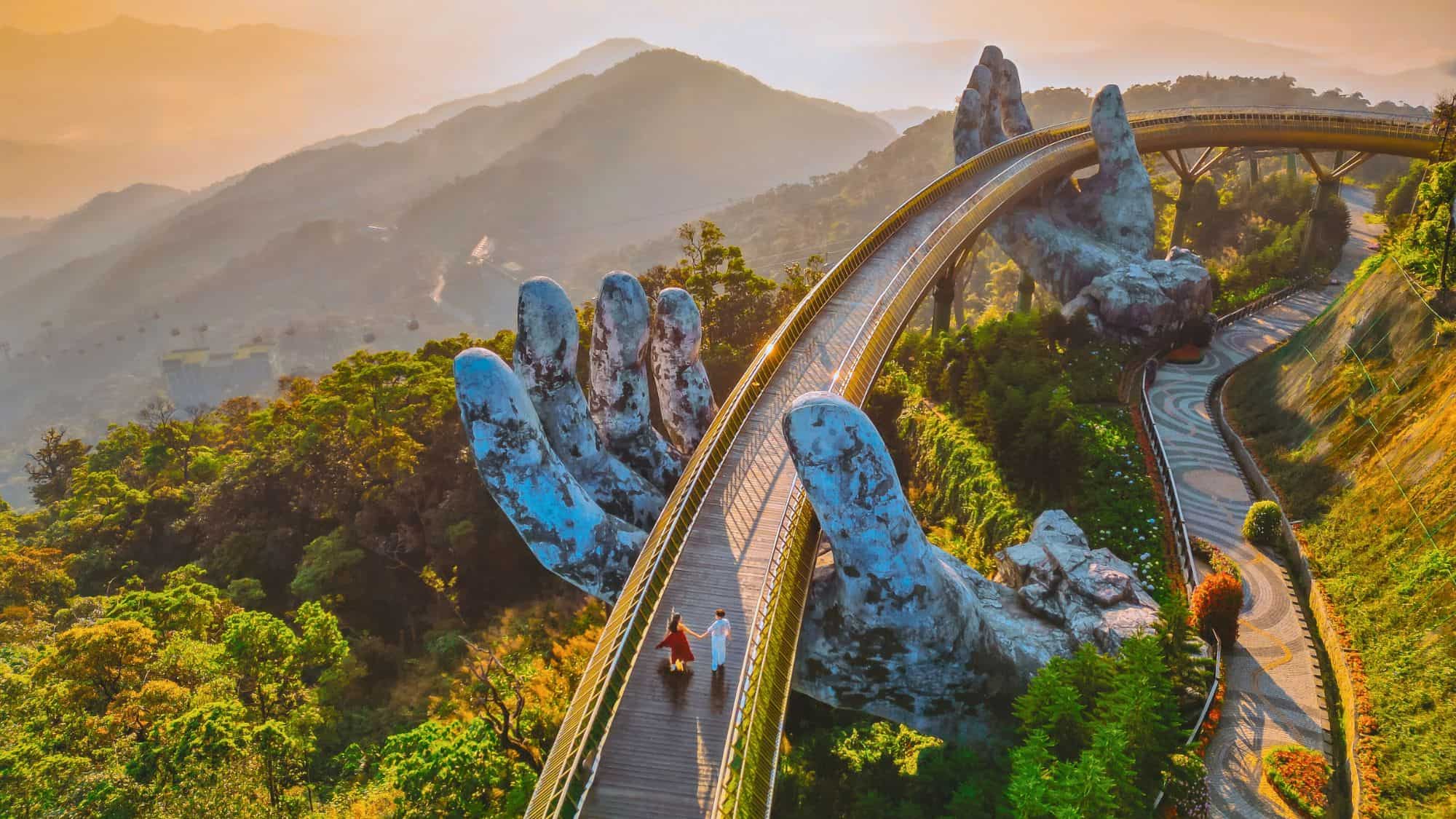
Vietnam is legendary among travelers for its incredible price-to-value ratio, allowing you to experience luxury for what you’d pay for budget travel elsewhere. A budget of $30-40 USD a day can cover private rooms, motorbike rentals, and entry fees to major attractions.
The geography is also a perk. It is long and narrow, making it easy to travel from north to south (or vice versa) without missing major highlights.
Ha Long Bay is the iconic image of Vietnam, with thousands of limestone karsts rising from emerald waters. While luxury cruises are available, even mid-range overnight boat tours offer excellent amenities and kayaking excursions for under $150.
For a land-based adventure, the northern mountains around Sapa are home to distinct ethnic minority communities and terraced rice fields that turn golden in the fall harvest season.
Central Vietnam offers the charming town of Hoi An, a former trading port that was spared bombing during the war. It is famous for its hundreds of tailor shops where you can get custom suits, dresses, or shoes made in 24 hours for incredibly low prices. At night, the ancient town is lit by thousands of colorful lanterns, creating a magical atmosphere.
Further south, the Mekong Delta provides a glimpse into river life, where floating markets sell tropical fruits like dragon fruit and rambutan directly from boats.
Indonesia
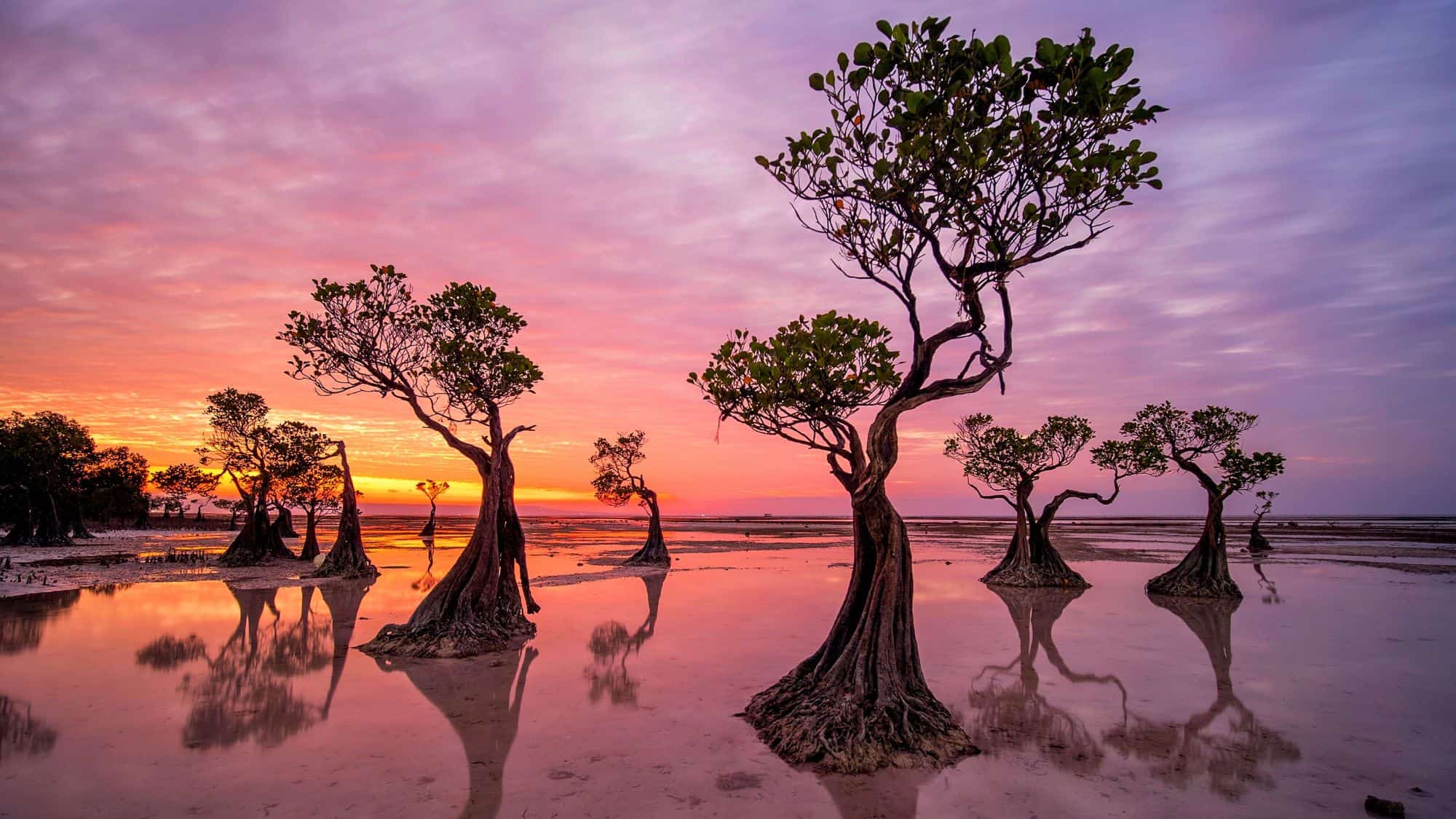
While Bali is the most famous destination, Indonesia is a massive archipelago of over 17,000 islands, offering endless variety for adventurous travelers.
The exchange rate is highly favorable for Americans, meaning your dollar goes a long way, whether you are surfing in Uluwatu or hiking volcanoes in Java. And accommodation options are vast, ranging from $10 USD homestays to private pool villas that might cost $80-100 a night (luxury that would cost five times as much in the Caribbean).
In Java, you can visit Borobudur, the world’s largest Buddhist temple, at sunrise. Watching the sun peek over the volcanoes and illuminate the hundreds of bell-shaped stupas is a spiritual experience that justifies the early wake-up call.
Nearby Prambanan is an equally impressive Hindu temple complex from the 9th century, showcasing the region’s diverse religious history.
For wildlife enthusiasts, a trip to Sumatra offers the rare chance to see orangutans in the wild at Gunung Leuser National Park. Guided jungle treks are affordable and support local conservation efforts.
If you are a diver or snorkeler, the Raja Ampat islands in West Papua are considered to have the richest marine biodiversity on Earth. While getting there is a trek and more expensive than Bali, the cost is still reasonable compared to other world-class dive destinations, and the underwater experience is unparalleled, with pristine coral reefs and massive schools of fish.
South Africa

South Africa offers a diversity of experiences that is hard to match, from world-class safaris to cosmopolitan city life, all at a cost that is significantly lower than similar destinations in Europe or North America. The exchange rate has been favorable for years, making dining out, wine tasting, and accommodation surprisingly affordable.
Cape Town is the jewel of the country, dominated by the flat-topped Table Mountain. You can take a cable car to the top for sweeping views of the city and the Atlantic Ocean.
Driving the Garden Route is a classic road trip that stretches for about 190 miles along the southeastern coast. It takes you past lagoons, forests, and beaches, with plenty of opportunities for hiking and animal encounters.
In Hermanus, you can watch whales from the shore during migration season (June to November), considered the best land-based whale watching in the world.
A safari is a bucket-list item for many, and South Africa makes it accessible. Kruger National Park allows for self-drive safaris, where you can rent a car and spot lions, elephants, and rhinos at your own pace, paying only the daily conservation fee and vehicle rental. This is a fraction of the cost of private game lodges, though those luxury options are also much cheaper here than in Botswana or Tanzania.
Boulders Beach near Cape Town is another wildlife highlight, home to a colony of African penguins that you can observe from boardwalks just a few feet away.
Paraguay
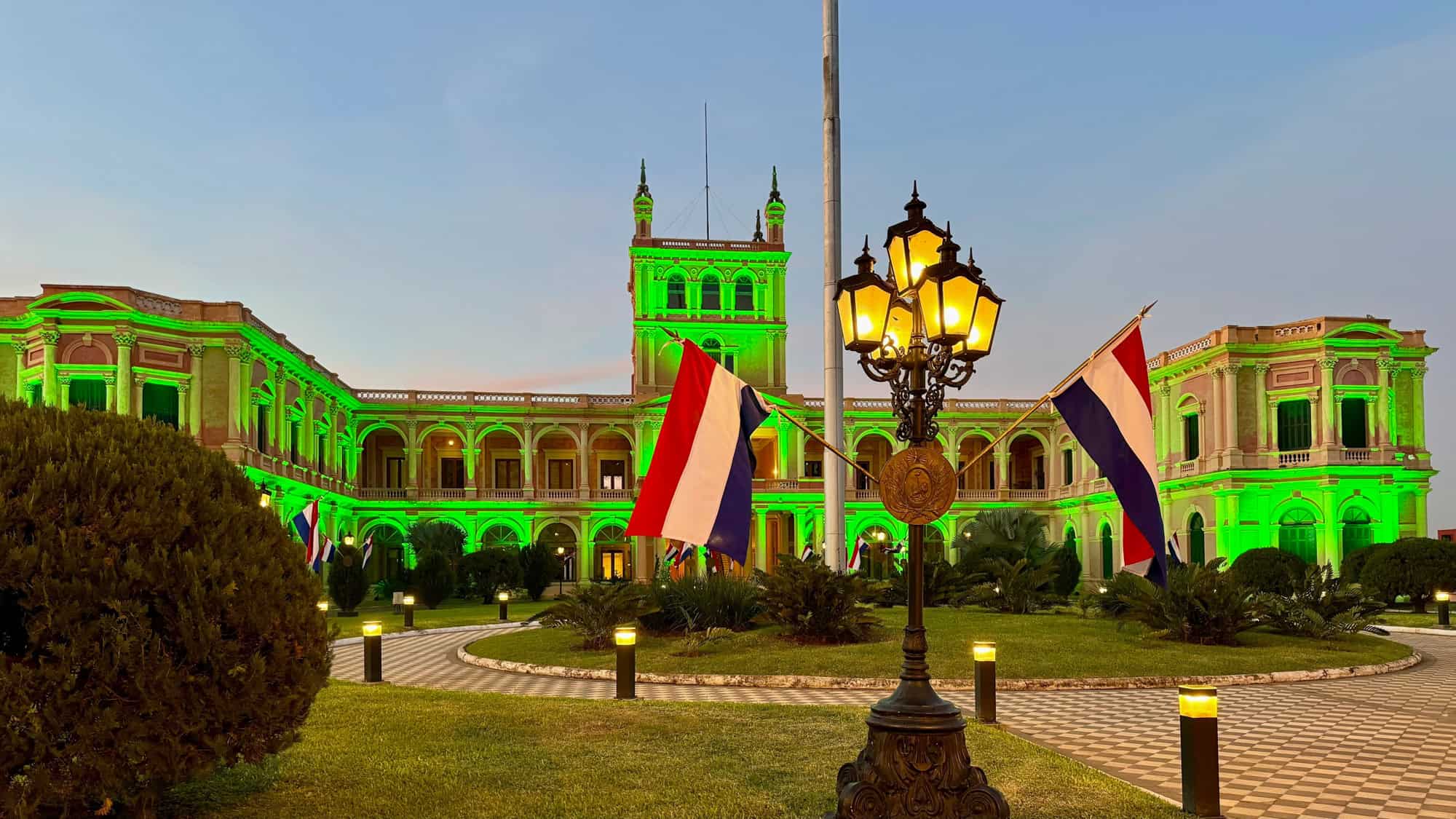
Paraguay is one of the least-visited countries in South America, which means it remains authentic and incredibly cheap for travelers willing to get off the beaten path.
There is little tourism infrastructure compared to its neighbors, but that is part of the charm. You can easily get by on $30 USD a day, and the locals are known for being curious and welcoming to the few visitors who make the trip.
The Jesuit Missions of La Santisima Trinidad de Parana and Jesus de Tavarangue are UNESCO World Heritage sites that rival the more famous missions in Argentina and Brazil but come without the crowds. These 17th-century ruins are incredibly well-preserved and offer a window into the unique social experiment where Jesuits and Indigenous Guarani people lived together.
Asuncion, the capital, is a green city with a relaxed vibe. The Costanera, a riverside promenade, is perfect for evening walks, and the city is filled with colonial architecture and museums that are often free or cost less than a dollar to enter.
For nature, the Eco-Reserva Mbatovi offers adventure circuits with hanging bridges and zip lines through the forest. And the Chaco region (a vast semi-arid area covering the western half of the country) is a birdwatcher’s paradise with hundreds of species, though it requires a guide and a sturdy vehicle to navigate the remote wilderness.
Madagascar
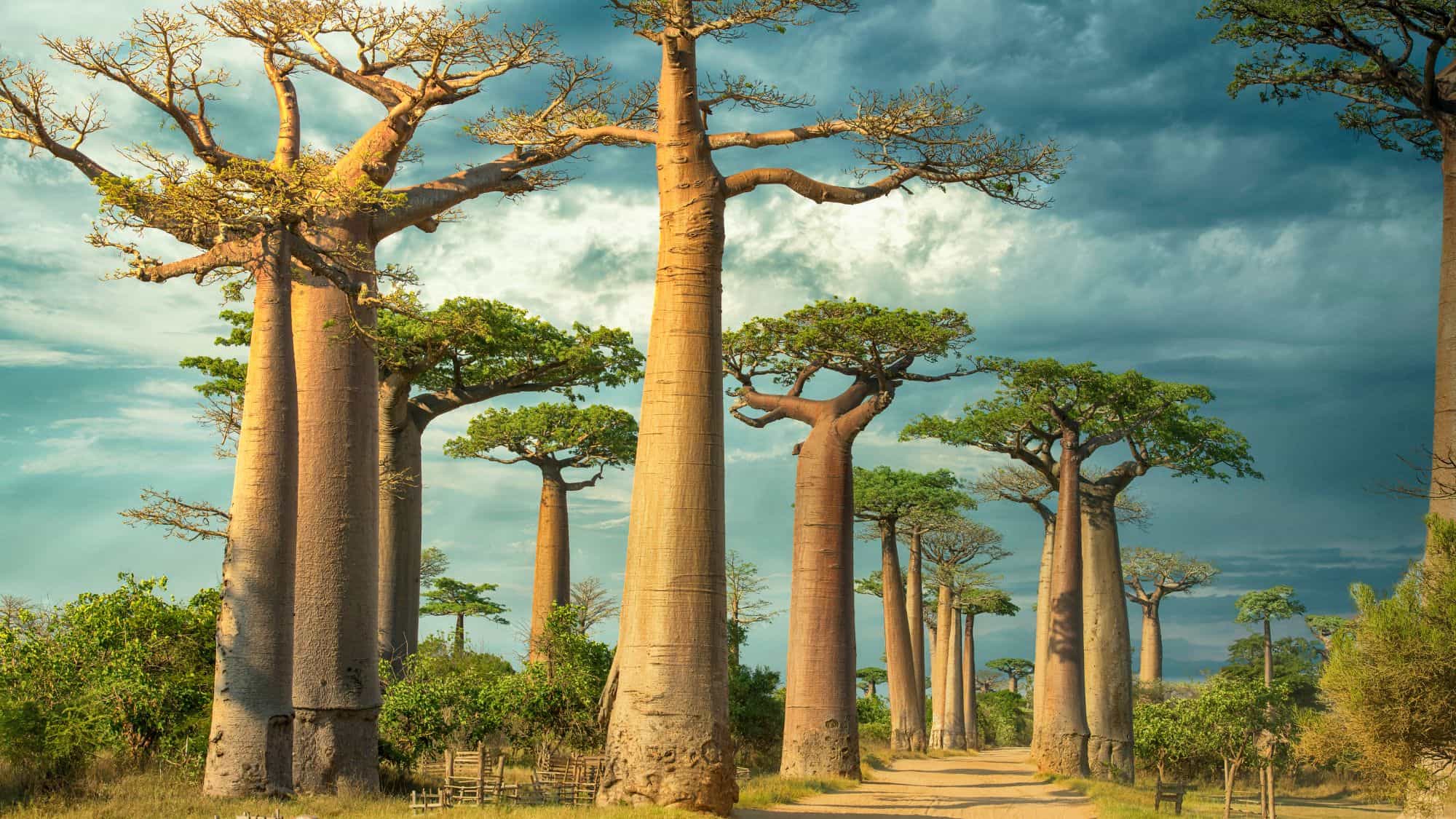
Madagascar is a destination for the truly adventurous, offering biodiversity found nowhere else on earth. While flights to get there can be pricey, the cost of ground travel is low.
You can hire a private driver and 4×4 vehicle for around $50-70 USD a day, which is often necessary given the poor state of the roads. This allows you to explore remote national parks and coastlines on your own schedule.
The Avenue of the Baobabs is the country’s most famous landmark. These massive, ancient trees line a dirt road in the Menabe region, creating a prehistoric landscape that is particularly stunning at sunset. It’s free to visit, though you’ll want to hire a local guide to learn about the significance of these “upside-down trees” to the local community.
Wildlife is the main draw, specifically lemurs. Andasibe-Mantadia National Park is one of the best places to see the Indri, the largest lemur species, whose eerie calls echo through the rainforest.
Isalo National Park offers a completely different landscape of sandstone canyons, oases, and natural swimming pools that feel like something out of the American Southwest but with ring-tailed lemurs watching you from the rocks.
The beaches of Nosy Be offer relaxation after rugged travel, with excellent snorkeling and diving in turquoise waters that remain warm year-round.
Portugal
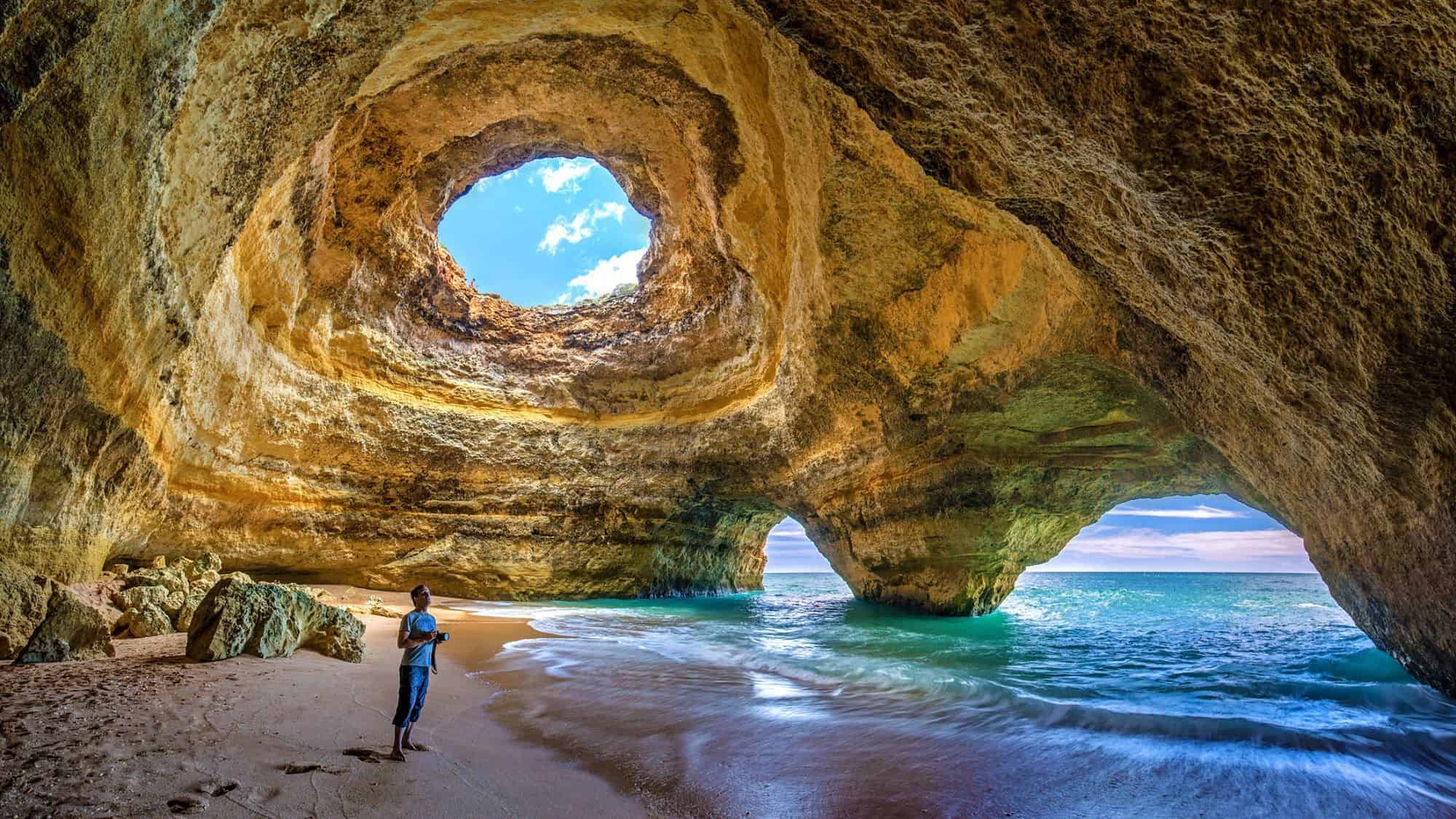
Portugal has long been Western Europe’s budget darling, and despite rising popularity, it remains significantly cheaper than France, Spain, or Italy. A full seafood dinner with wine can cost under $20 USD, and entry to world-class museums is often less than $10.
Lisbon is built on seven hills, offering endless viewpoints (miradouros) where you can grab a coffee from a kiosk and watch the sunset over the Tagus River for pocket change.
Sintra, a short train ride from Lisbon, is a fairytale town of palaces and misty forests. The Pena Palace, with its bright yellow and red towers, is the most famous, but the Quinta da Regaleira is equally fascinating with its Gothic architecture and initiation wells (spiral staircases that lead deep into the earth). It feels like exploring a secret garden full of mystery and symbolism.
Heading north, Porto is famous for its port wine lodges along the Douro River. Tours and tastings are affordable and plentiful. The Douro Valley itself, the oldest demarcated wine region in the world, offers spectacular scenery with terraced vineyards dropping steeply to the river. You can explore it by train, boat, or car.
In the south, the Algarve coast features golden cliffs and sea caves, most famously Benagil Cave, which you can kayak into. Even in peak summer, you can find quieter beaches if you venture away from the main resort towns.
Mexico
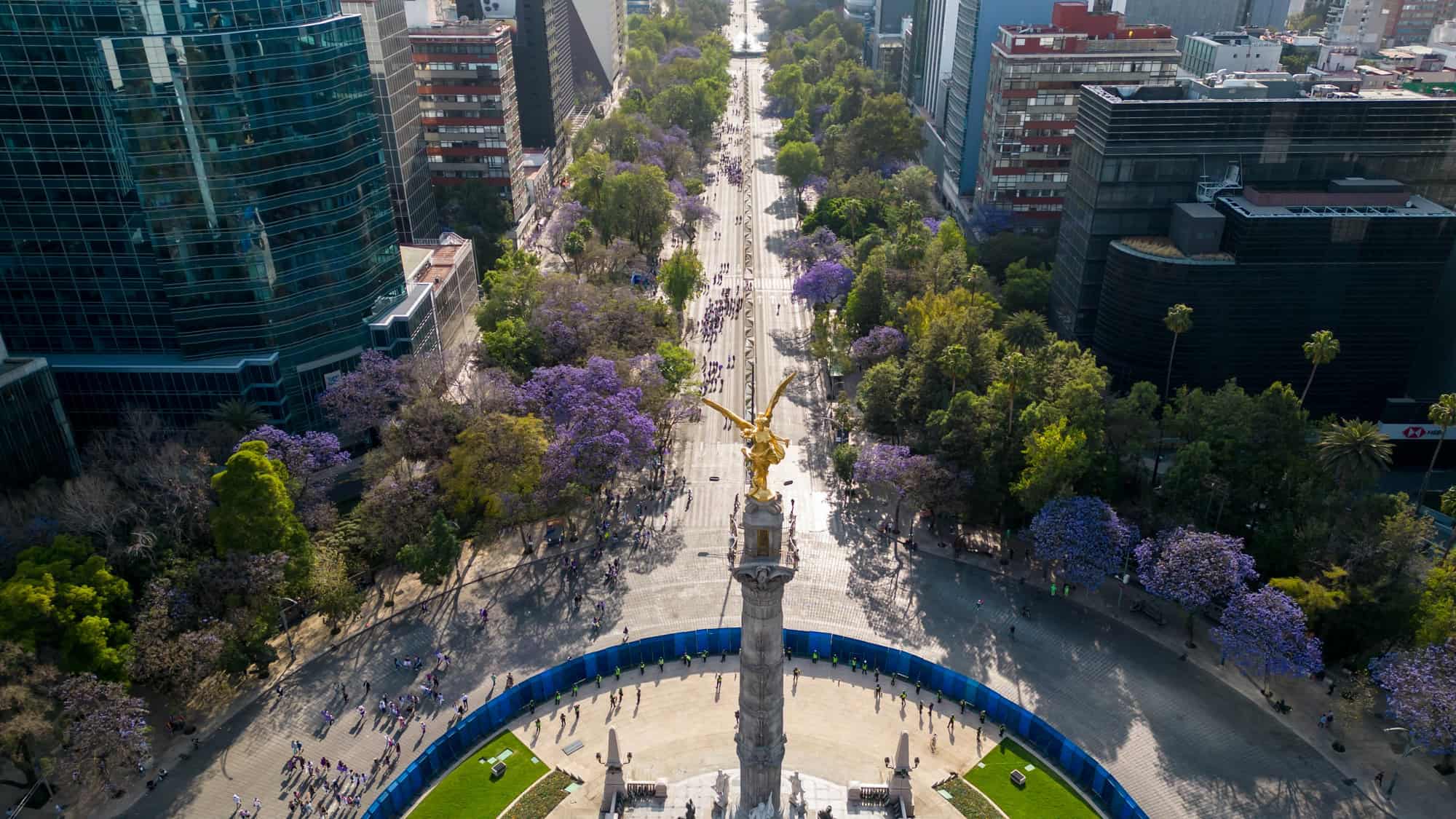
Mexico offers an incredible variety and value for American travelers, going far beyond the all-inclusive resorts of Cancun. The favorable exchange rate means you can enjoy a high standard of living for less.
Mexico City is a cosmopolitan giant with a thriving art scene, leafy neighborhoods like Roma and Condesa, and more museums than almost any other city in the world. The National Museum of Anthropology is world-class, housing massive Aztec stone calendars and Olmec heads.
Oaxaca is the cultural heart of the country, known for its artisan traditions. You can visit workshops where families have been weaving rugs or carving fantastical wooden figures (alebrijes) for generations.
The nearby natural wonder of Hierve el Agua features petrified waterfalls and natural mineral pools perched on a cliff edge, offering stunning views of the valley below.
For a beach escape with a slower pace, the Pacific coast towns of Puerto Escondido or Sayulita offer great surfing and a laid-back vibe. Or, head to the Yucatan Peninsula to swim in cenotes. These are natural limestone sinkholes filled with crystal-clear fresh water, and there are thousands of them dotting the jungle. Some are open to the sky, and others are hidden in caves.
Chichen Itza is the famous Mayan ruin nearby, but lesser-known sites like Uxmal or Ek Balam offer equally impressive pyramids with a fraction of the crowds and cost.
Uzbekistan
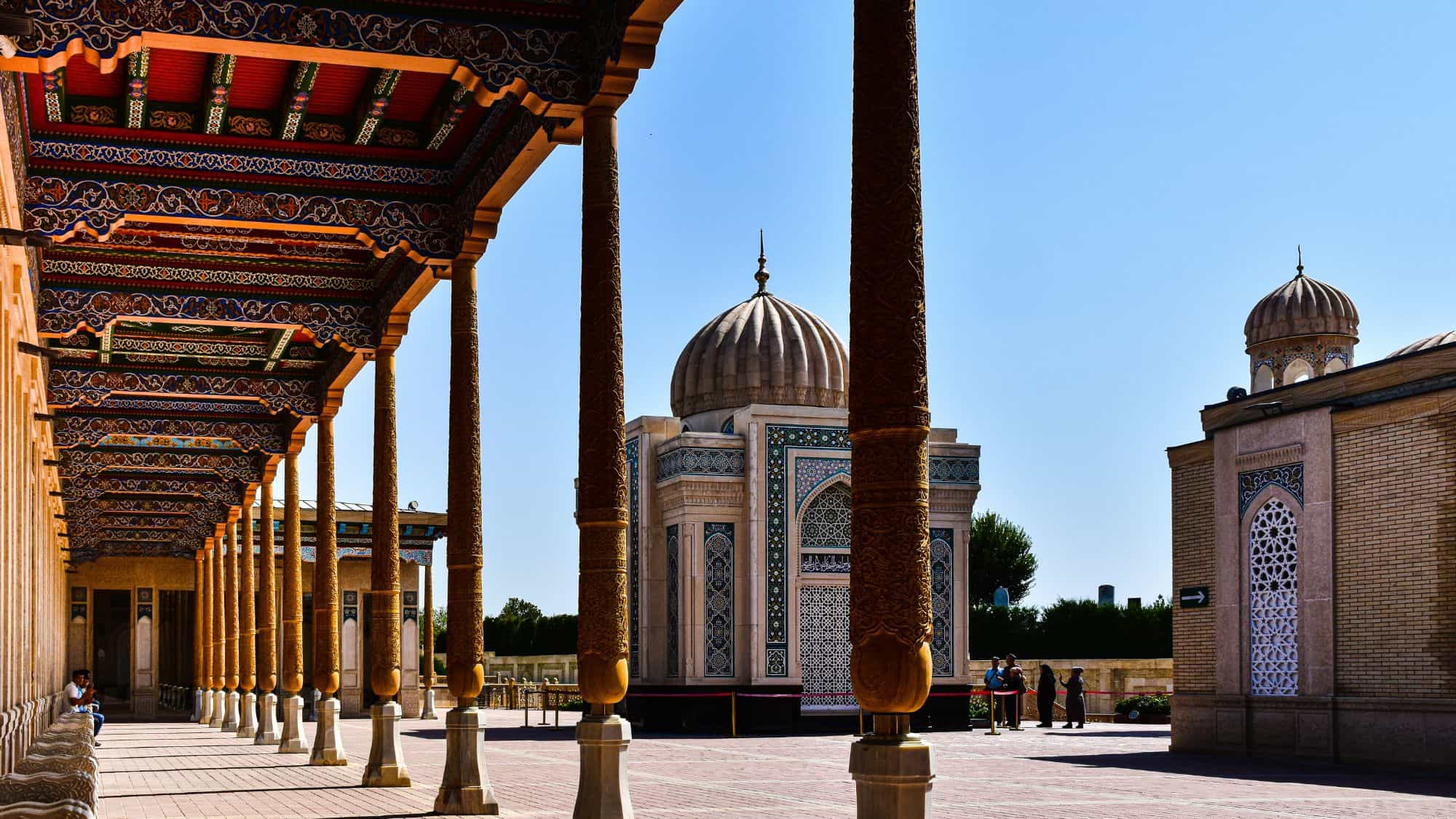
Uzbekistan is the heart of the ancient Silk Road and has become much more accessible to tourists in recent years, thanks to visa-free policies for many nations and a high-speed train network connecting major cities. It is an incredibly affordable destination where you can stay in family-run guesthouses located in historic madrasas for $30-40 USD a night.
The architecture is the star here, with tile work in every shade of blue imaginable.
Samarkand’s Registan Square is one of the most spectacular architectural ensembles in the world, flanked on three sides by massive madrasas covered in intricate mosaics. It is overwhelming in its scale and beauty.
In Bukhara, the entire old city is a UNESCO World Heritage site, and you can wander through ancient trading domes that have been in use for centuries, selling carpets, knives, and spices.
Khiva, a walled city in the desert, feels like an open-air museum. It is best explored in the early morning or late evening when the day trippers have left. You can climb the city walls for a sunset view over the mud-brick houses and minarets.
Plus, the hospitality in Uzbekistan is legendary; don’t be surprised if locals invite you for tea or to share a meal. It is a safe and welcoming country that feels like stepping back in time to the days of caravans and traders.
Czech Republic
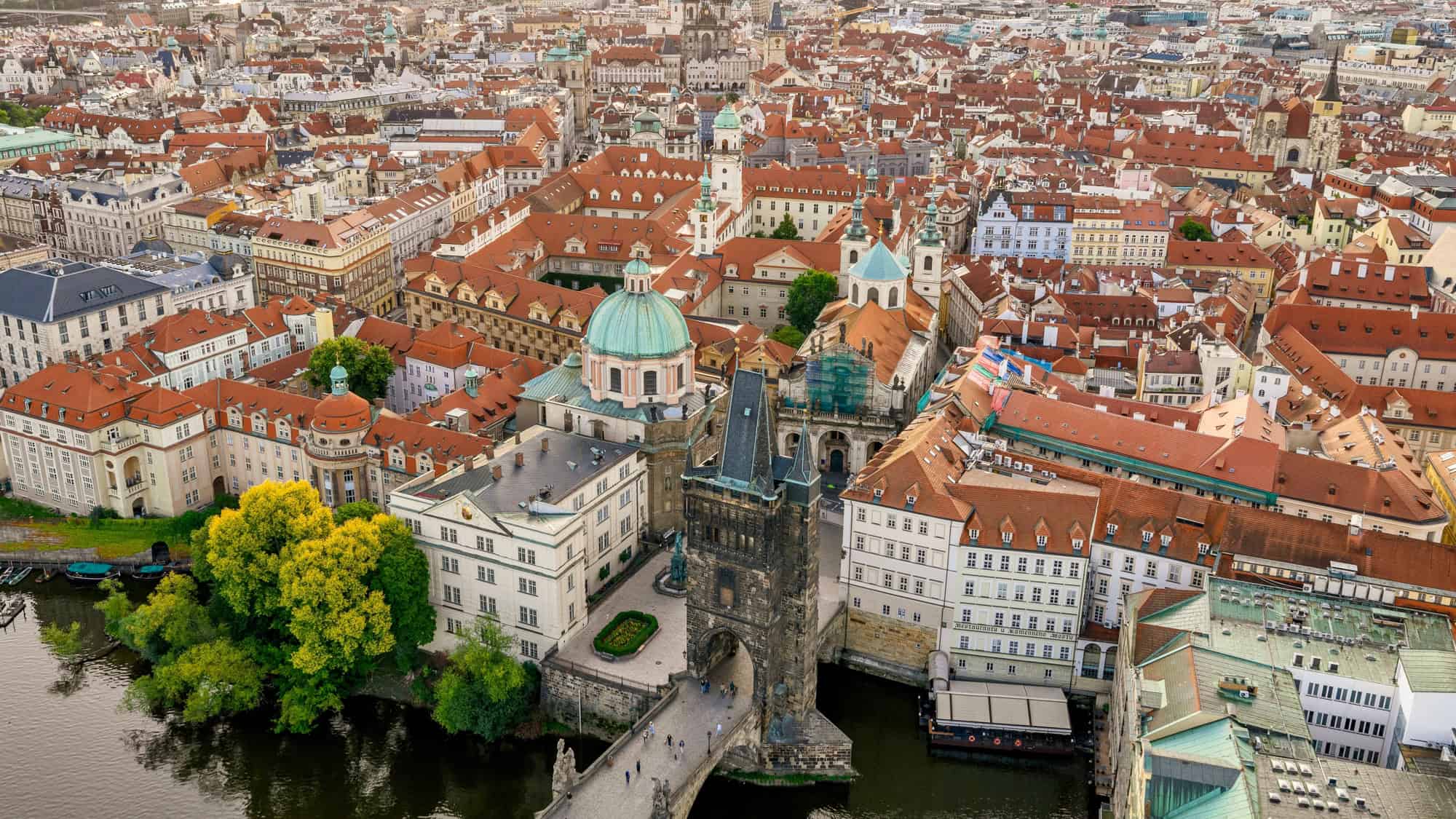
While Prague is a major tourist magnet, the Czech Republic offers excellent value, especially if you venture into the regions of Bohemia and Moravia. But even in the capital, prices for beer and hearty meals are lower than in Western Europe, and the public transport system is one of the best and cheapest on the continent.
Prague Castle is the largest ancient castle complex in the world, and you can walk through much of the grounds for free, paying only to enter specific interiors like St. Vitus Cathedral.
Cesky Krumlov in South Bohemia looks like a miniature Prague but is set on a sharp bend of the Vltava River, dominated by a stunning Renaissance castle. It’s a UNESCO site that is incredibly picturesque, with winding cobblestone streets and red-roofed houses. Rafting or canoeing down the river here is a popular summer activity that offers a different perspective of the town.
For a unique experience, visit the Sedlec Ossuary in Kutna Hora, often called the “Bone Church.” It is a small chapel decorated artistically with the bones of an estimated 40,000 to 70,000 people, a reminder of the medieval wars and plagues. It’s macabre but fascinating.
The Moravian region in the east is known for its wine and folk traditions. The countryside is dotted with castles and chateaux, such as Lednice-Valtice, which features a massive park landscape that is perfect for cycling.
Japan

Japan has a reputation for being expensive, but the current strength of the dollar against the yen has made it more affordable than it has been in decades. You can find high-quality business hotels for under $80 USD a night, and delicious meals at chain restaurants or convenience stores for $5-10.
And the efficiency of the travel infrastructure means you can see a lot in a short time without wasting money on mishaps or delays.
Kyoto is the cultural capital, home to thousands of temples and shrines. The Fushimi Inari Shrine, with its thousands of vermilion torii gates winding up a mountain, is free to visit and open 24/7, making it a perfect early morning hike to beat the crowds.
Arashiyama Bamboo Grove offers a surreal walk through towering green stalks that sway in the wind.
Beyond the cities, the Japanese Alps offer incredible hiking and skiing. The Nakasendo Trail is an ancient walking route between Kyoto and Tokyo, where you can hike sections between preserved post towns like Magome and Tsumago, staying in traditional inns along the way.
Nara Park is famous for its hundreds of free-roaming deer that bow to visitors for crackers. It is also home to Todai-ji temple, which houses a giant bronze Buddha statue that is nearly 50 feet tall (a feat of 8th-century engineering that is still awe-inspiring today).
Like Our Content? Follow Us On MSN (or click the Follow Button above) to see more from Traveling In Focus.