Found By Accident contains affiliate links and is a member of the Amazon Services LLC Associates Program. If you make a purchase using one of the Amazon links (or other affiliate links), we may receive compensation at no extra cost to you. See our disclosure policy for more information.
14 Hidden Ways To Experience Sicily That Most Visitors Never Discover
Sicily often feels like a continent unto itself rather than just an island off the southern coast of Italy. It is a place where the map tells only half the story.
While many visitors flock to the famous resort towns for sun and spritz, the true character of this triangular land lies hidden in its quieter corners. It is found in the rugged interior where ancient traditions still dictate the rhythm of daily life, and along wild stretches of coastline that have resisted modern development.
This is a land of profound contrasts, where distinct historical eras sit comfortably side by side, and where the landscape shifts from lush, fertile valleys to harsh, sun-baked rock in the span of a few miles.
To truly understand the island, you must be willing to trade the comfort of the well-trodden path for the unpredictability of the backroads. Authentic discovery here requires patience and a curiosity about what lies behind the peeling baroque facades and beyond the crowded main piazzas.
So if you are ready to move past the standard postcards and experience the island as the locals do, these unforgettable experiences will guide your way.
Explore The Valley Of The Temples
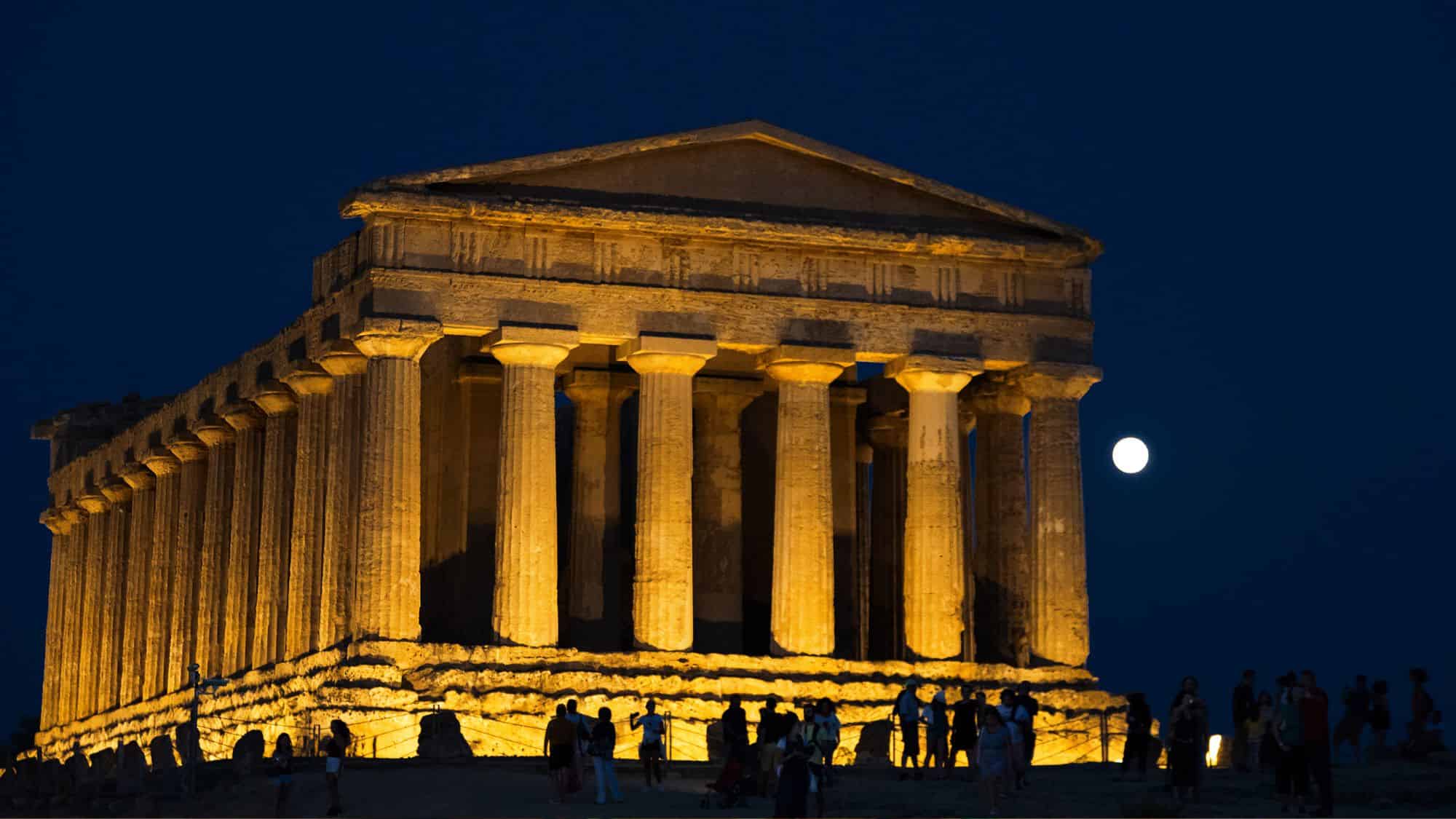
This archaeological park is one of the most significant examples of art and architecture from Greater Greece, covering over 3,200 acres of protected landscape. It holds the remains of seven temples, all built in the Doric style, which dominate the ridge overlooking the sea.
The sheer scale of the Valley of the Temples in Agrigento is difficult to comprehend until you are standing in the shadow of the Temple of Concordia, which dates back to roughly 440 BC. It is one of the best-preserved Greek temples in existence, largely because it was converted into a Christian basilica in the 6th century AD, saving it from destruction.
The experience here changes drastically depending on when you visit. During the day, the golden sandstone glows intensely against the blue sky, but the heat can be formidable, especially in July and August.
An evening visit offers a cooler and more magical perspective. As the sun sets, the temples are illuminated by floodlights, creating a striking contrast against the dark countryside.
You should plan to spend at least three hours here to walk the main path, known as the Via Sacra. While walking, keep an eye out for the ancient olive trees and almond groves that grow between the ruins. These trees are part of the Kolymbethra Garden, a restored area within the valley that showcases the agricultural history of the region.
Hike Mount Etna
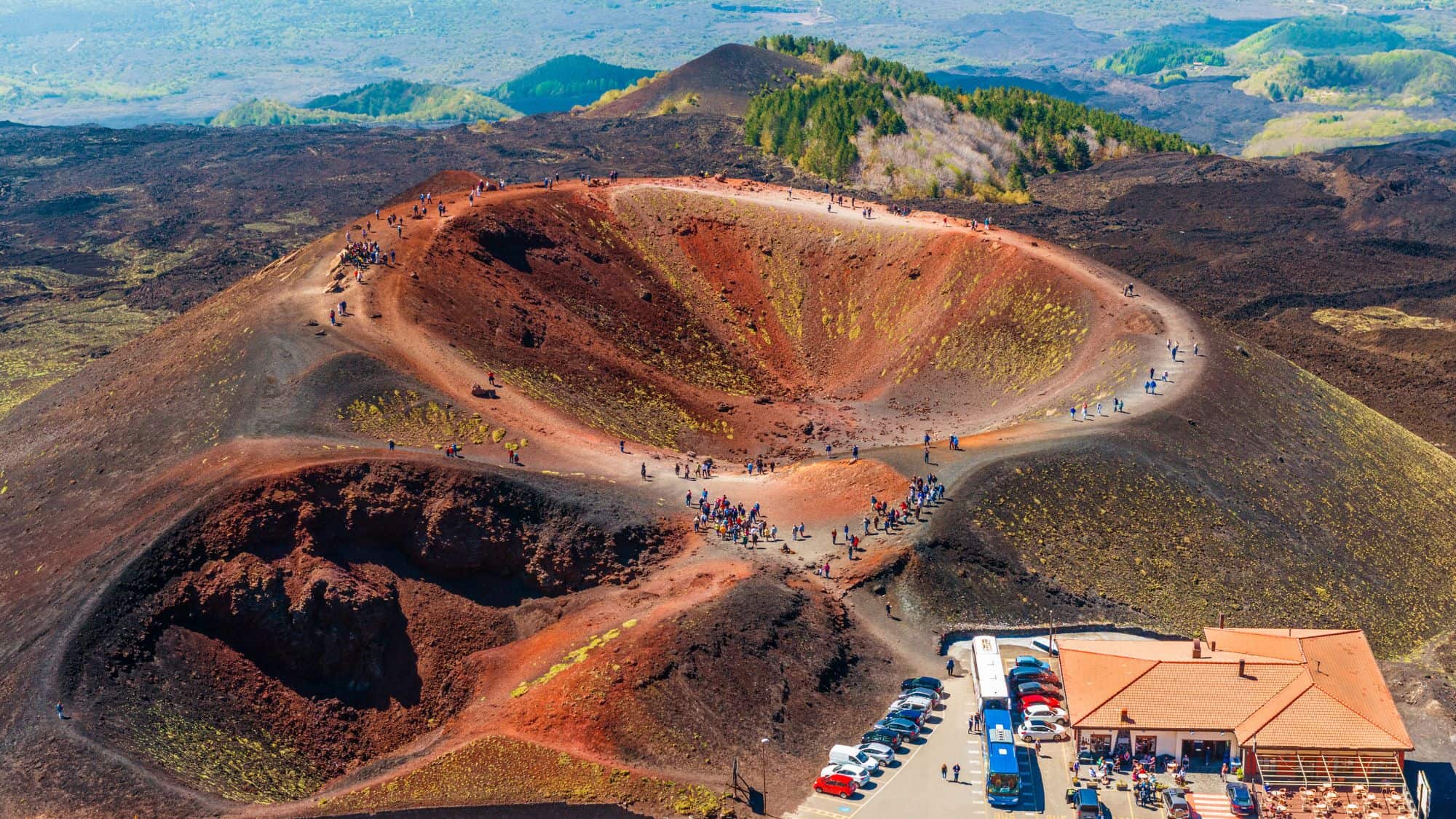
Mount Etna is not just a mountain; it is a constantly changing landscape that dominates the eastern skyline of Sicily. Standing at approximately 11,014 feet (though the height varies with eruptions), it is the highest active volcano in Europe.
Locals refer to it as “Mamma Etna,” acknowledging both its destructive power and the fertile soil it provides for the vineyards and orchards on its lower slopes.
In 2013, UNESCO added Mount Etna to its list of World Heritage Sites, recognizing its geological significance and its roughly 2,700 years of documented volcanic activity.
Your ascent typically begins at Rifugio Sapienza on the southern side, which sits at about 6,200 feet. From there, you can take a cable car further up to 8,200 feet, where the landscape shifts dramatically. The lush vegetation of the lower altitudes disappears, replaced by a lunar expanse of black lava rock and ash.
Guided tours are the safest way to approach the active craters, where you can see steam venting from the earth and smell the sulfur. It is crucial to dress in layers, even in the height of summer, as the temperature at the summit craters can be 20 to 30°F colder than at sea level.
Swim In The Coves Of The Zingaro Nature Reserve
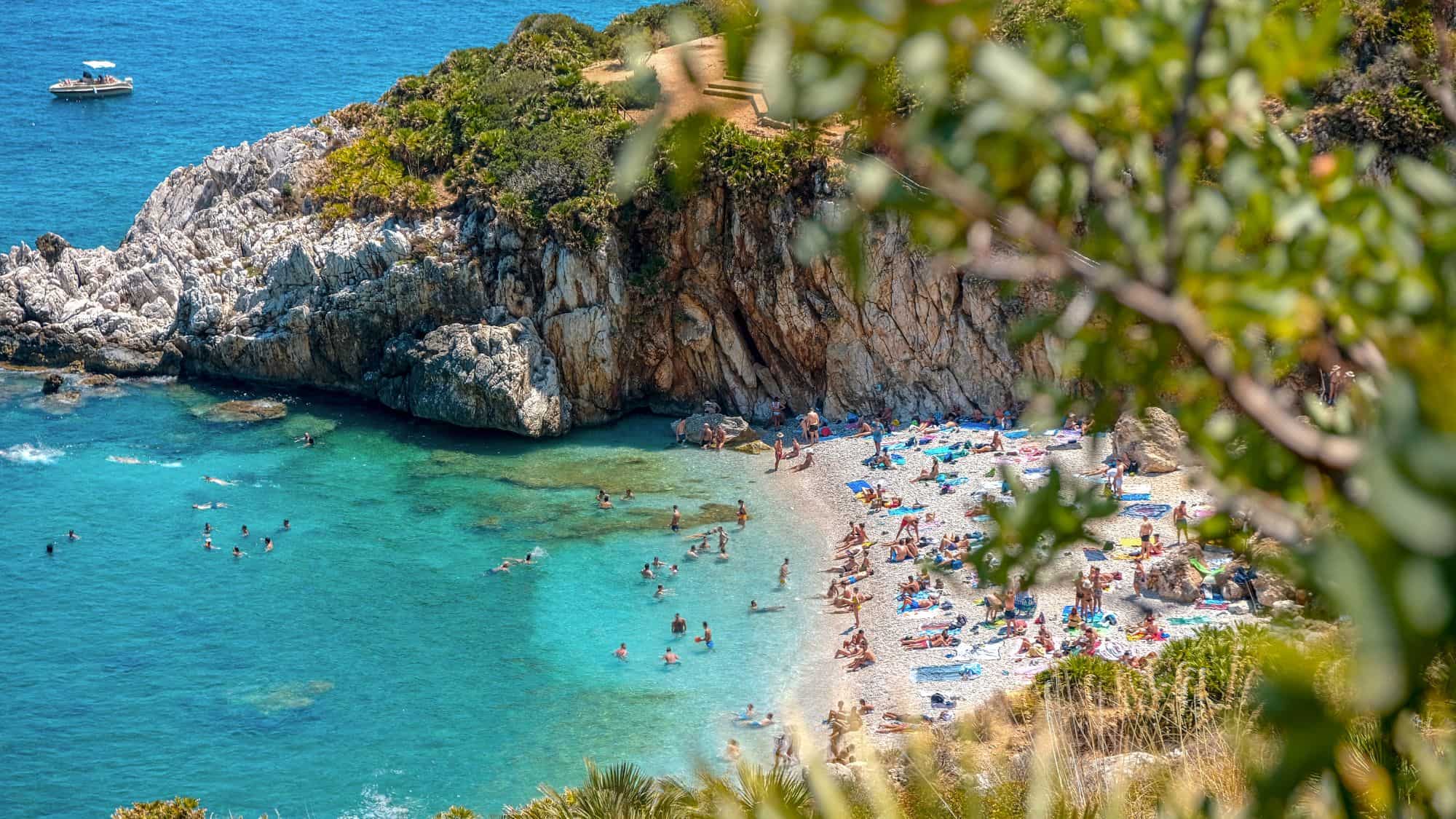
The Zingaro Nature Reserve represents a massive victory for conservation in Sicily. Established in 1981, it was the first protected natural area in Sicily, created after thousands of locals marched to stop the construction of a coastal road that would have destroyed the pristine landscape.
Today, this 4.3-mile stretch of coastline remains free of asphalt, accessible only by foot. It connects the villages of Scopello and San Vito Lo Capo, offering a rugged, unspoiled alternative to the crowded lidos found elsewhere on the island.
The reserve is also home to over 650 species of plants, including the rare dwarf palm, which is the symbol of the area.
It features seven main coves, or “calas,” each with pebbly beaches and water so clear it looks like a swimming pool. Cala Tonnarella dell’Uzzo is the most accessible from the north entrance and often the busiest, so walking further south to Cala della Disa usually guarantees more solitude.
Visiting Zingaro requires some effort, but the rewards are exceptional. You will need to hike along the dusty, sun-baked trails that wind through the Mediterranean scrub to reach the water.
Be aware that there are no beach bars or facilities inside the reserve, so you must bring plenty of water, food, and sun protection. But it is the perfect place to disconnect completely and appreciate the raw, wild beauty of the Mediterranean coast as it looked before modern development took over.
Visit The Teatro Antico In Taormina
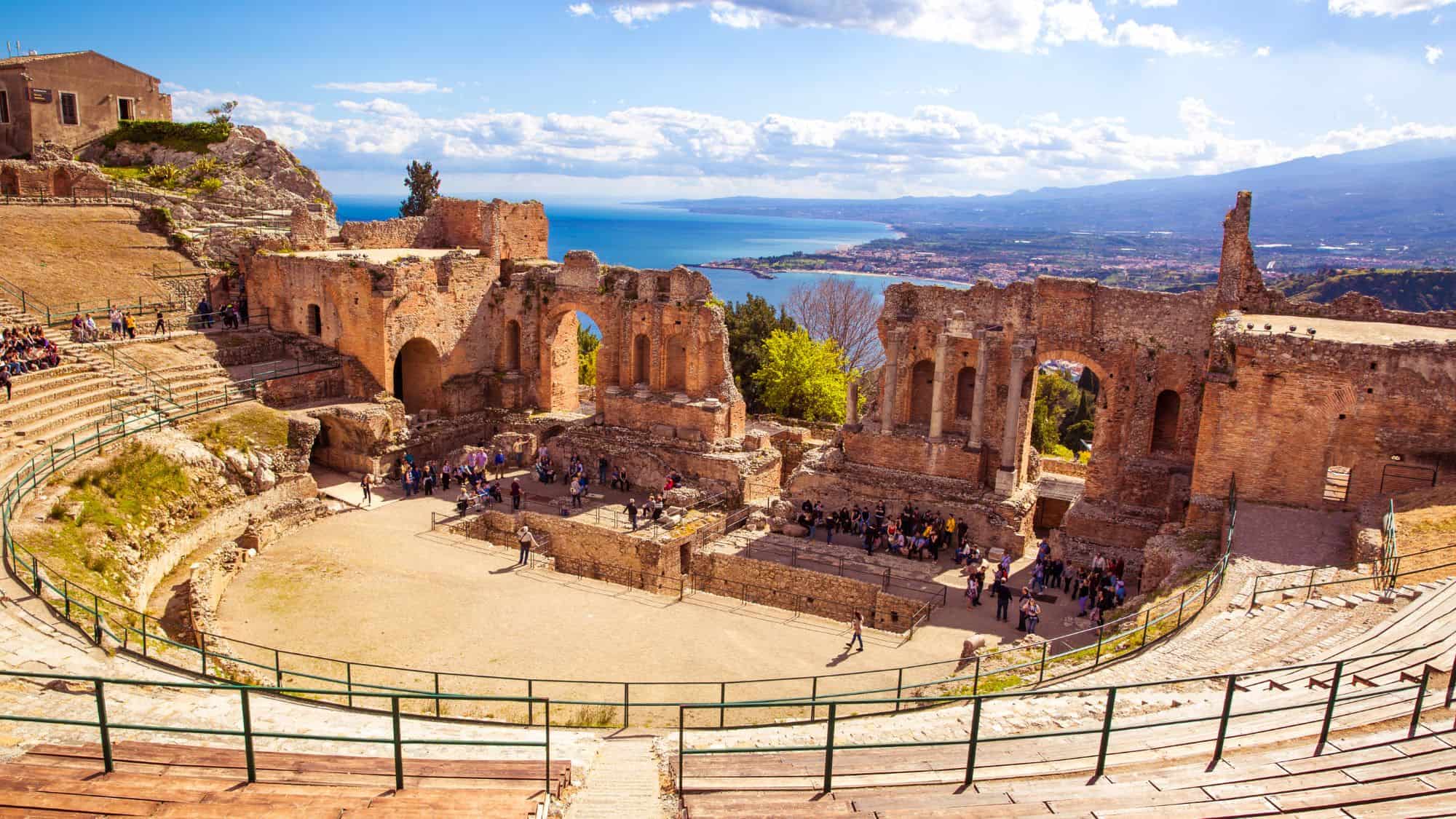
Taormina is often called the pearl of the Ionian Sea, and its crown jewel is undoubtedly the Teatro Antico. This ancient theater is dug directly into the hard rock of Mount Tauro and offers one of the most celebrated views in all of Italy.
Through the crumbling columns behind the stage, you can see the smoking peak of Mount Etna and the glittering Bay of Naxos below.
While the original structure was built by the Greeks in the third century BC, most of the brickwork you see today is actually Roman, dating from a massive reconstruction in the second century AD to accommodate gladiatorial games. And with a diameter of 358 feet, it is the second-largest ancient theater in Sicily, after the one in Syracuse.
The acoustics are still impressive today, which is why the venue continues to host concerts, operas, and film festivals throughout the summer. Sitting on the stone steps where spectators have sat for over two millennia connects you to the continuity of history in this region.
The site also includes a small antiquarium museum housing artifacts found in the area. Take your time to walk the perimeter of the upper seating area for panoramic photos.
The best way to experience the theater is to arrive early in the morning, right when the gates open, to avoid the heavy influx of day-trippers and cruise ship passengers.
Discover The Aeolian Islands
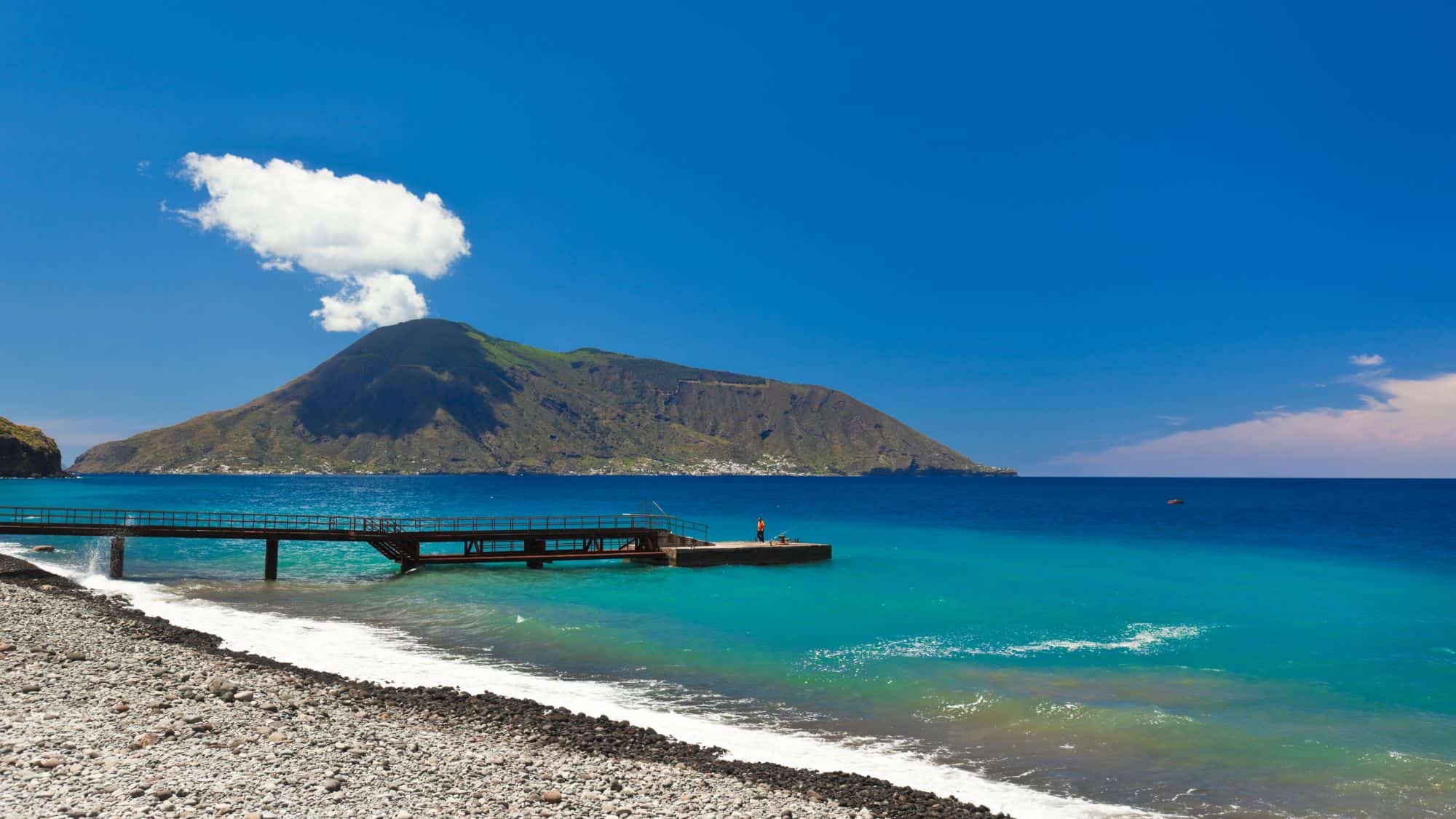
Floating off the northeastern coast of Sicily, the Aeolian Islands form a volcanic archipelago that feels worlds away from the mainland.
This UNESCO World Heritage site consists of seven main inhabited islands, each with a distinct personality and landscape.
They are named after Aeolus, the Greek demigod of the winds, which feels appropriate given the breezy, maritime climate. And the islands range from the lush, green Salina, known for its capers and sweet Malvasia wine, to the chic and exclusive Panarea.
Stromboli is perhaps the most famous of the group because it is essentially a lighthouse of the Mediterranean. It has been in a state of nearly continuous eruption for the past 2,000 years. If you are adventurous, you can take a guided hike at sunset to watch the lava spurts against the darkening sky, or take a boat tour to the “Sciara del Fuoco,” a steep slope where lava and ash tumble into the sea.
Lipari, the largest island, offers a more grounded experience with its fortified citadel and excellent archaeological museum. The pace of life here is dictated by the sea and the seasons.
Ferries and hydrofoils run regularly from the port of Milazzo, making access relatively straightforward, though moving between the islands requires some planning regarding boat schedules. Cars are restricted on many islands during peak summer months, encouraging a slower, walking-heavy mode of exploration.
Marvel At The Mosaics Of Villa Romana Del Casale
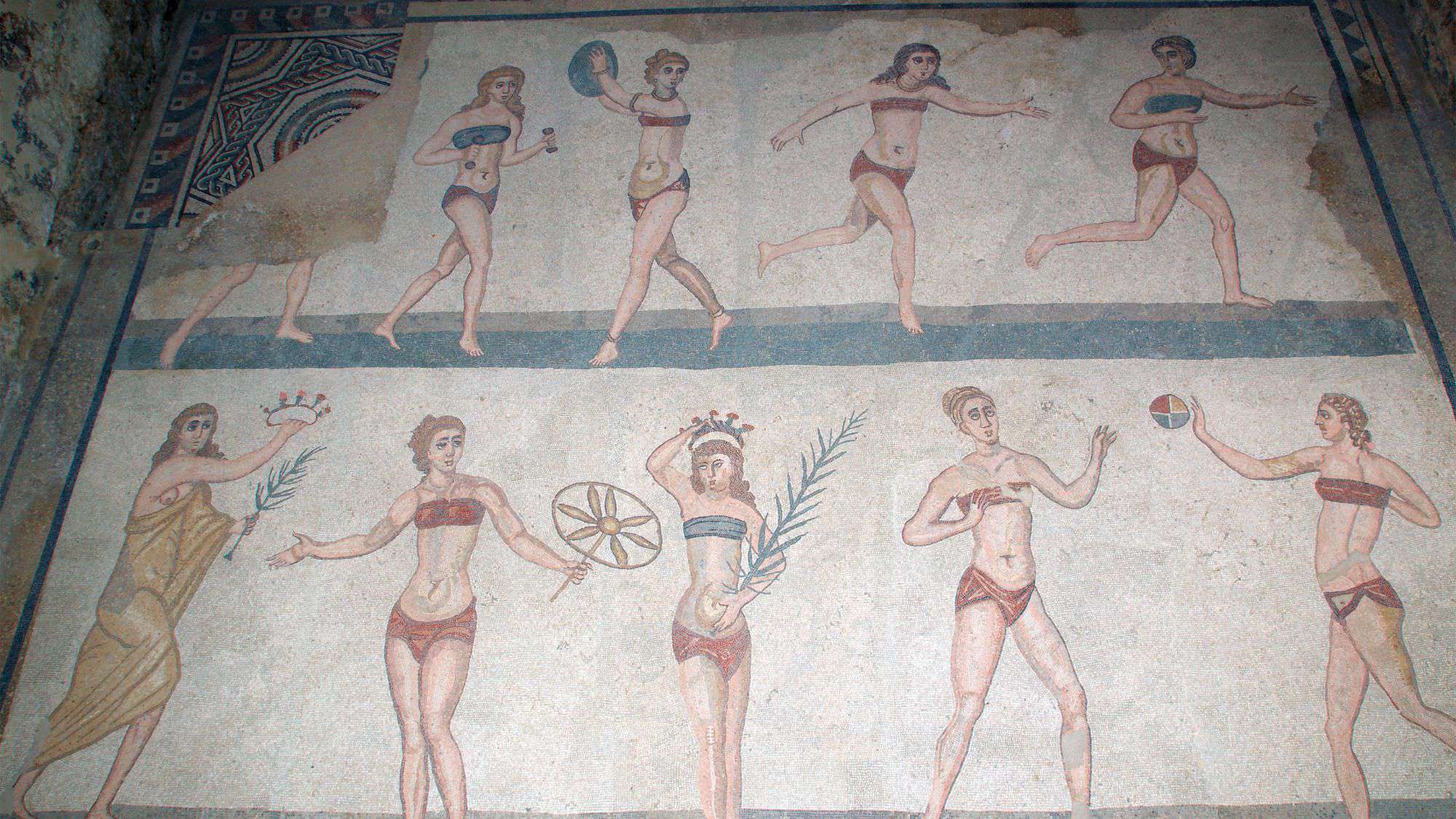
Tucked away in the interior of the island near Piazza Armerina, the Villa Romana del Casale contains one of the richest collections of Roman mosaics in the world. Built in the 4th century AD, this luxury country estate was buried by a landslide in the 12th century, a disaster that ironically helped preserve the floors in incredible detail.
The site covers nearly 37,000 square feet, and almost every room is adorned with intricate mosaic floors that depict everything from mythological scenes to daily life and hunting expeditions. It offers a rare, technicolor window into the lifestyle of the Roman aristocracy.
The craftsmanship is staggering, but the most famous image is arguably the “Chamber of the Ten Maidens,” often referred to as the “Bikini Girls.” This mosaic shows young women participating in athletic activities like weightlifting and discus throwing while wearing two-piece outfits, challenging modern assumptions about ancient fashion.
To see the villa properly, you walk on raised walkways that hover over the rooms, allowing you to look down at the artwork without damaging it.
Visiting during the shoulder seasons of spring or autumn is ideal, as the protective roofing can create a greenhouse effect, making the interior very hot during the peak of summer.
Explore The Salt Pans Of Trapani
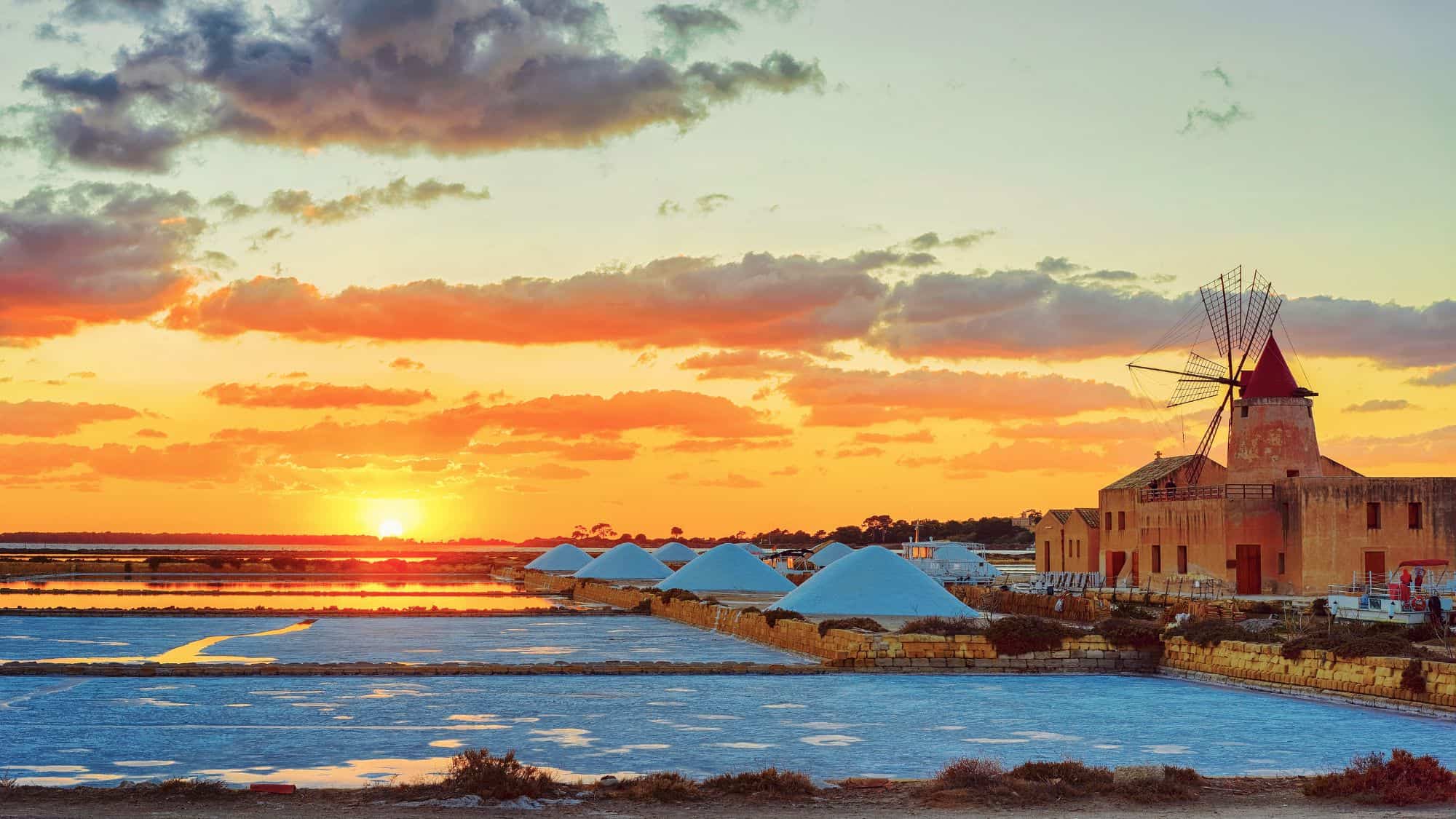
The coastline between Trapani and Marsala offers a landscape that is industrial, historical, and beautiful all at once.
This area is famous for its “saline,” or salt pans, where sea salt has been harvested for centuries, possibly dating back to the Phoenician era. The shallow lagoons are divided by narrow strips of land, and the water evaporates under the intense Sicilian sun, leaving behind piles of crystalline salt. The entire process is still largely traditional.
Several of the saltworks, such as the Ettore e Infersa mill, offer guided tours where you can learn about the hydraulic systems and the manual labor involved in harvesting “white gold.”
As you wander around, you will see historic windmills dotted across the horizon, which were once used to pump water between basins and grind the salt. And the expanse is part of a protected nature reserve, serving as a crucial stopover for migratory birds.
During the harvest season, which runs from July to September, you can see the iconic mounds of white salt covered in terracotta tiles to protect them from the rain.
Sunset is the absolute best time to visit this region. As the sun dips low, the still water in the basins turns into a mirror, reflecting shades of pink, orange, and deep purple. So photography enthusiasts flock here to capture the silhouettes of the windmills against the fiery sky.
Wander The Streets Of Ortigia
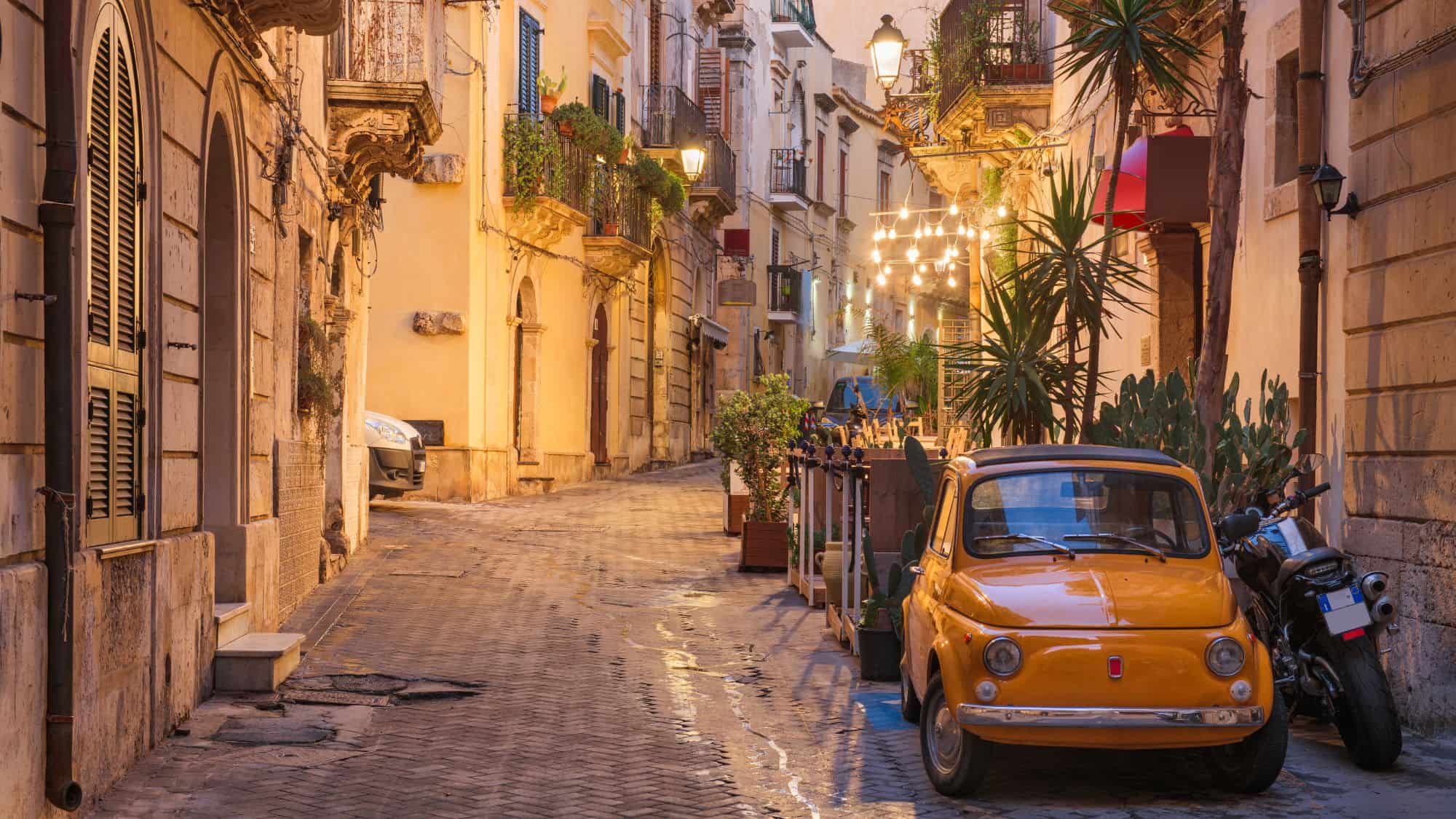
Ortigia is the historical heart of Syracuse, a small island connected to the modern city by two bridges. It packs thousands of years of history into less than one square mile.
The density of architectural styles here is mesmerizing, with Greek foundations supporting baroque palaces and medieval alleyways opening up to bright sea views.
One of the most fascinating sites is the freshwater Spring of Arethusa, which bubbles up just feet from the sea. Legend says the nymph Arethusa fled here from Greece to escape the river god Alpheus, transforming into the spring.
The Piazza del Duomo in Ortigia is one of the most beautiful public squares in Italy. The cathedral itself is a physical timeline of the city. It was built in the 7th century AD around the ancient Greek Temple of Athena from the 5th century BC. You can still see the massive Doric columns embedded in the outer walls and standing inside the church.
You can’t miss walking the perimeter of the island along the sea wall, which takes about an hour and offers breezes and views of the open ocean.
Visit The Cathedral Of Monreale
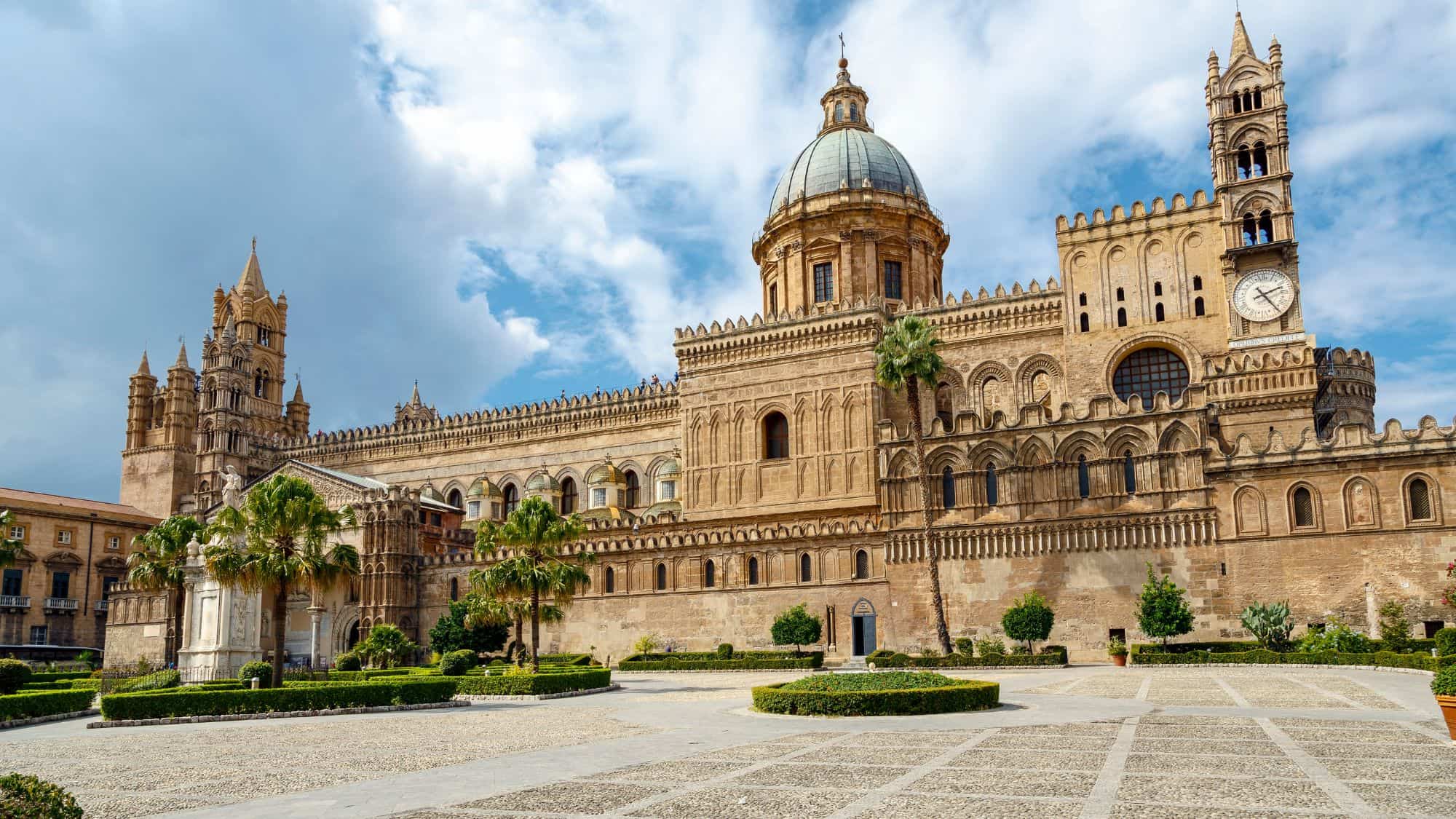
Just a few miles outside of Palermo, located on the slope of Monte Caputo, stands the Cathedral of Monreale. It is widely considered one of the greatest examples of Norman architecture in the world.
Built by William II in the 12th century, the cathedral was designed to rival the Palatine Chapel in Palermo and assert the power of the monarchy.
The interior is breathtaking, covered in over 68,000 square feet of golden glass mosaics. These mosaics depict scenes from the Old and New Testaments and were created by Byzantine craftsmen brought in specifically for the project. The amount of gold used is staggering, creating a luminosity that lights up the entire nave.
The focal point of the cathedral is the colossal image of Christ Pantocrator in the central apse. His face alone is several feet high, and his eyes seem to follow you wherever you move in the church.
After visiting the church, you should pay to enter the cloister next door. It features over 200 twin columns, each decorated with unique glass mosaic patterns or stone carvings. No two columns are exactly alike.
The view from the terraces behind the cathedral offers a sweeping panorama of the Conca d’Oro, the fertile valley in which Palermo sits, stretching all the way to the Tyrrhenian Sea.
Dive Into The Blue Grotto Of Favignana
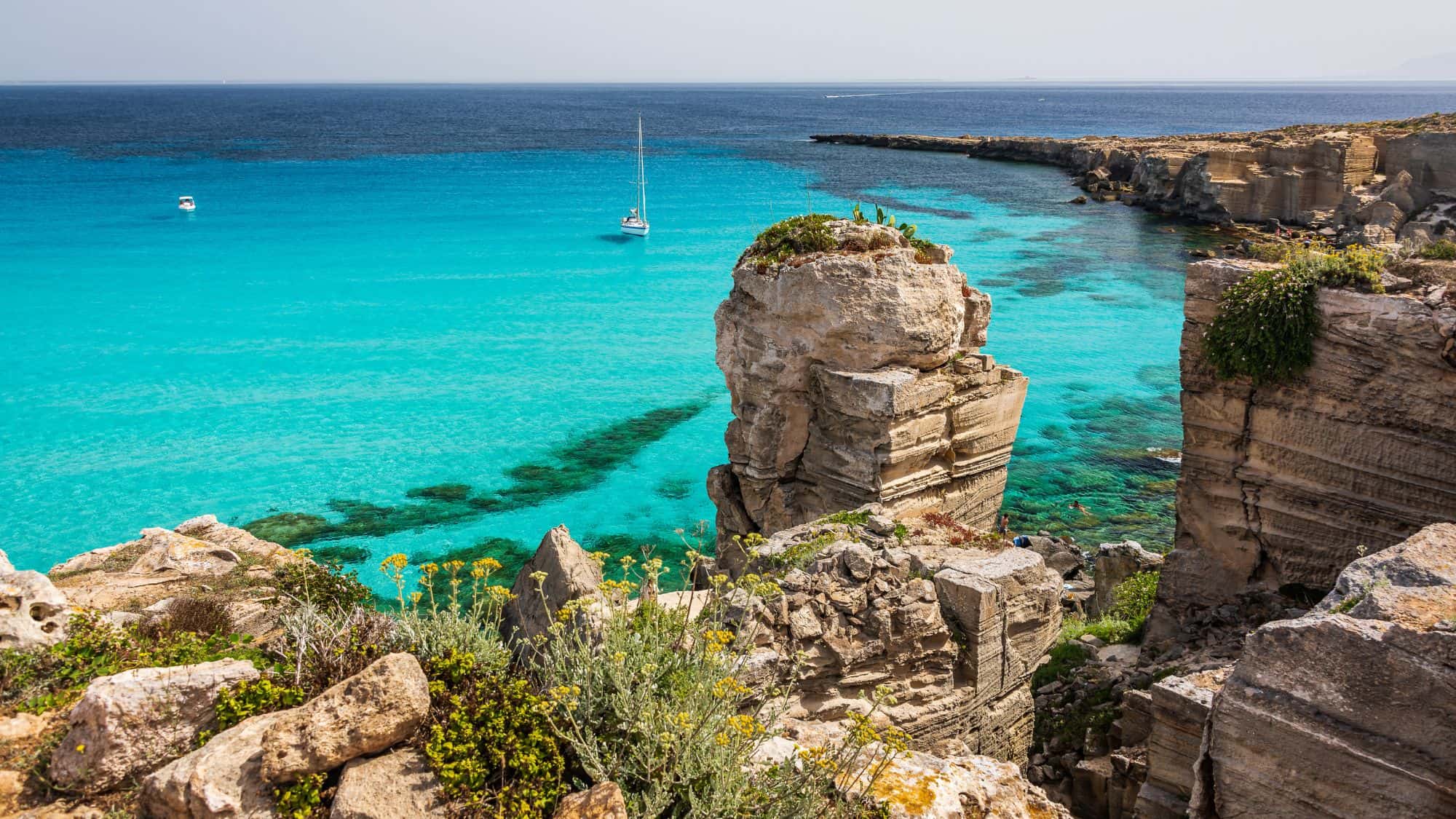
Favignana is the largest of the Egadi Islands, located just a short hydrofoil ride from Trapani. The island is shaped like a butterfly and is famous for its “tufo” (limestone) quarries and tuna fishing history.
However, the coastline is the main attraction, specifically the famous sea caves and coves. And the water here is a vibrant, electric blue that rivals anything found in the Caribbean.
Accessing the best swimming spots often involves renting a bicycle or a scooter, as the terrain is relatively flat and perfectly suited for two-wheeled exploration. But the coast is rocky rather than sandy, so bringing water shoes is a smart move for navigating the entry points.
One of the most spectacular spots is Bue Marino, a former quarry where stone was extracted for construction. The mining left behind geometric, cave-like structures and terraced cliffs that drop straight into deep water. While not a traditional “grotto” in the sense of a dark cave you enter by boat, the swimming area here is renowned for its depth and color.
For true sea caves, boat tours circumnavigate the island to access hidden grottos that are unreachable from land. The Grotta Azzurra (Blue Grotto) is named for the way the sunlight filters through the underwater opening, illuminating the cave interior with a brilliant blue glow. Snorkeling here reveals schools of fish darting among the rocks.
Sip Wine In The Marsala Region
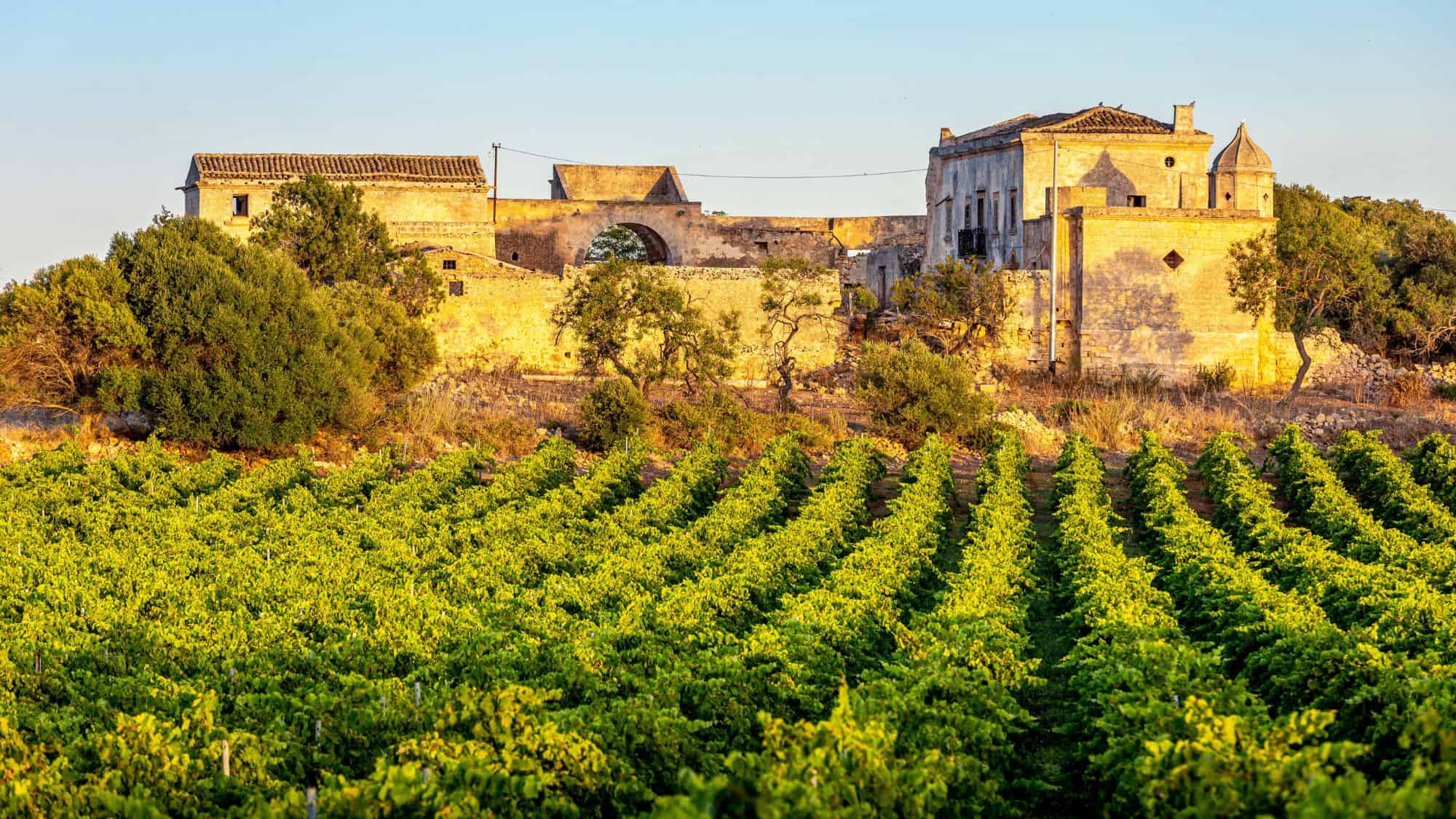
Marsala is a name known around the world, but it refers to a specific place and a specific wine with a rich heritage.
Located on the westernmost tip of Sicily, the town of Marsala became famous in the late 18th century when English merchant John Woodhouse discovered the local wine. He fortified it with brandy to ensure it would survive the long sea voyage back to England, inadvertently creating a global brand.
Today, the region is still dominated by vineyards growing Grillo, Catarratto, and Inzolia grapes. And a visit here is incomplete without touring one of the historic cantinas, such as Florio or Pellegrino, which are cathedral-like spaces filled with massive oak barrels.
The wine comes in various styles, ranging from dry (secco) to sweet (dolce), and is aged for different lengths of time. The “Vergine” variety, aged for at least five years, is excellent as an aperitif, challenging the misconception that Marsala is only for cooking.
Tours often include tastings paired with local almond pastries or cheeses.
Beyond the wine, the town itself has a charming historic center and marks the spot where Giuseppe Garibaldi landed in 1860 to begin the unification of Italy.
Experience The Feast Of Saint Agatha In Catania
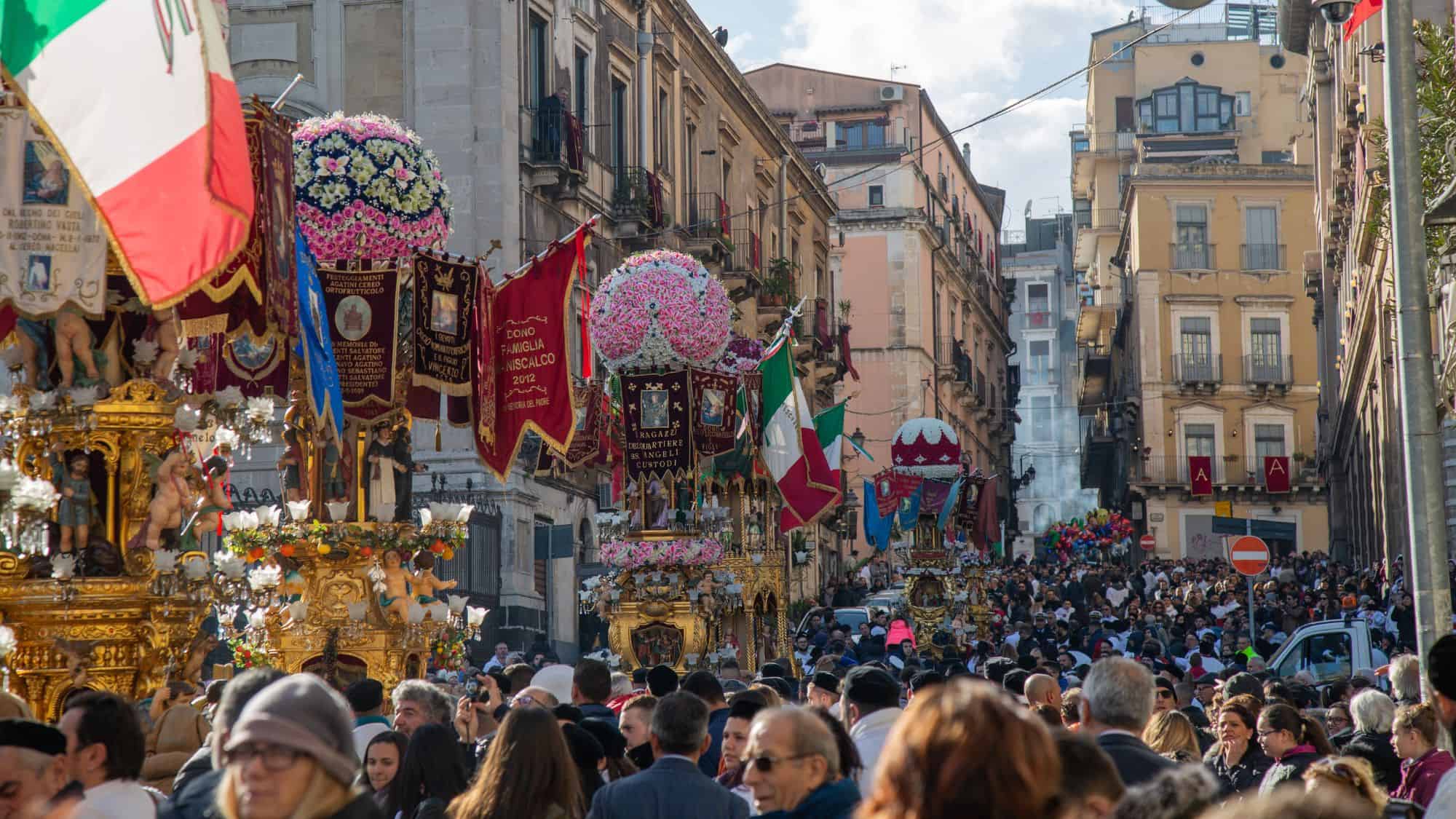
If you are in Sicily in early February, the Feast of Saint Agatha in Catania offers a window into the intense religious devotion of the island. It is one of the largest religious festivals in the world, drawing up to a million people to the city streets from February 3rd to 5th.
Saint Agatha is the patron saint of Catania, martyred in 251 AD, and she is credited with protecting the city from the eruptions of Mount Etna.
The atmosphere is a mix of solemn ritual and chaotic celebration. The city is decorated with lights, and fireworks erupt frequently, filling the air with smoke and sound.
The centerpiece of the festival is the procession of the silver fercolo, a reliquary bust of the saint decorated with jewels. It is carried through the city on a massive, heavy carriage pulled by thousands of devotees wearing traditional white sacks and black velvet caps.
These participants, known as “cittadini,” pull the heavy cords with immense physical effort, shouting “Cittadini, viva Sant’Agata!” And the procession lasts for hours, often continuing through the night and into the next day.
Another key element is the “Candelore,” huge, ornate wooden structures representing the city’s guilds, which are marched through the streets in a bouncing, dancing motion.
Visit The Necropolis Of Pantalica
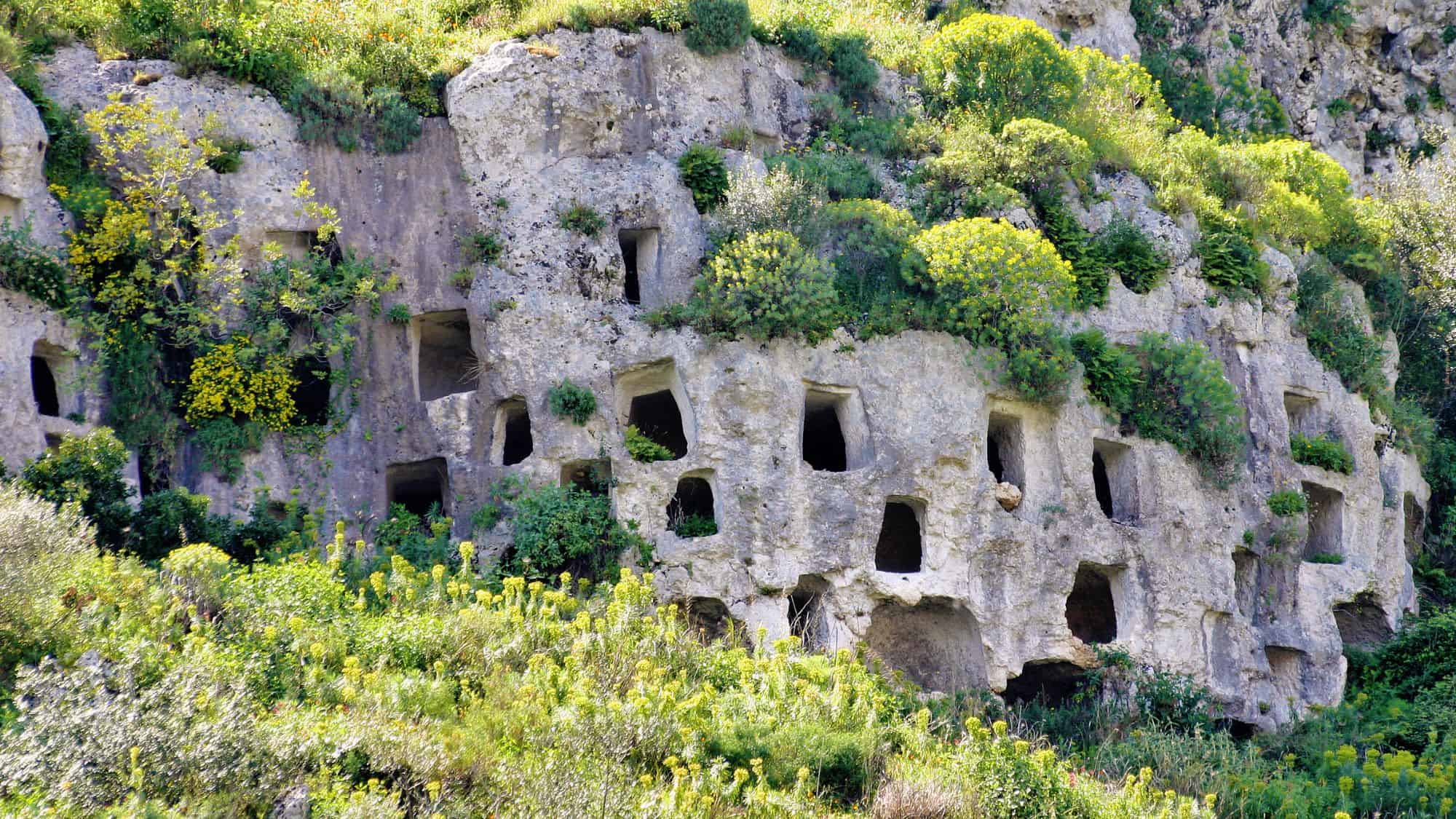
For a hike that combines nature with ancient mystery, the Necropolis of Pantalica is unmatched. Located in the limestone ravines of the Anapo and Calcinara river valleys, this site contains over 5,000 tombs cut directly into the rock faces.
These tombs date from the 13th to the 7th century BC, created by the Sicels, one of the indigenous tribes of Sicily before the Greek colonization. And the visual effect is striking; the canyon walls look like a giant honeycomb.
The site is a UNESCO World Heritage area and offers a peaceful, green contrast to the busy coastal cities.
The area is accessible via several hiking trails, and you can easily spend half a day exploring the valley floor and the ridges. The “Anapo Valley” entrance allows for a relatively flat walk along the bottom of the gorge, following the path of a dismantled railway line. If you want to see the tombs up close, you will need to take the steeper paths up the cliffs.
The site also includes the remains of the “Anaktoron,” or Prince’s Palace, a megalithic building that suggests a structured society existed here long ago.
Watch The Sunset From Erice
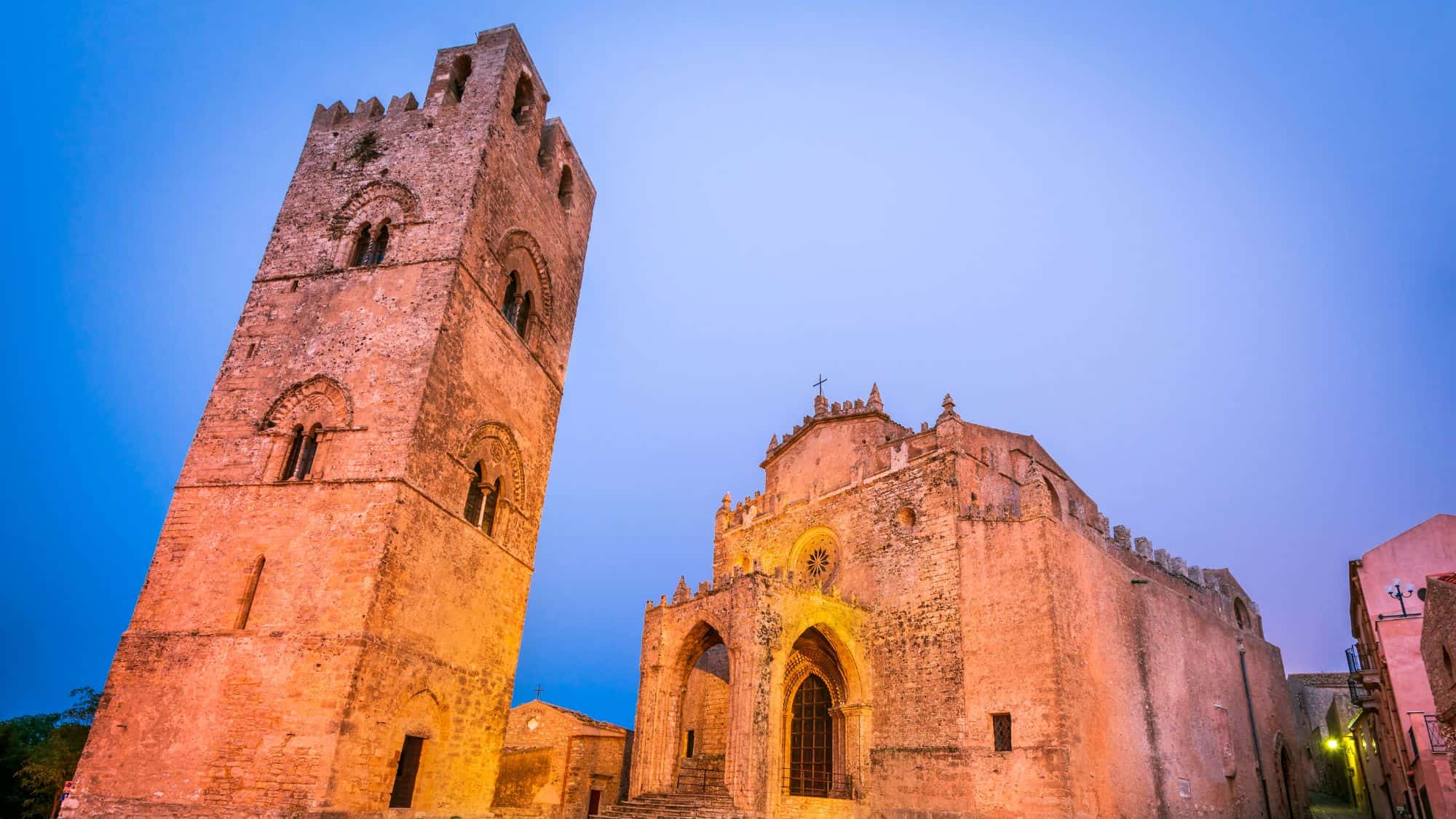
Perched on top of Mount Erice at roughly 2,460 feet above sea level, the medieval town of Erice offers some of the most spectacular views in Sicily. On a clear day, you can see the Egadi Islands, the salt pans of Trapani, and sometimes all the way to the coast of Tunisia.
The town itself is a triangular fortress of cobbled streets and stone buildings that seems frozen in time. In ancient times, it was a center for the cult of Venus, and the Normans later built the Castello di Venere (Castle of Venus) on the site of the ancient temple.
The clouds often snag on the mountain top, creating a mist that the locals call “Venus’s kiss,” adding to the atmospheric vibe.
Getting to Erice is part of the fun; a cable car runs from the outskirts of Trapani, lifting you up the steep mountainside in about 10 minutes. Once there, wander the narrow alleys and visit the massive Mother Church near the main gate.
You must try the local pastry, “Genovesi,” which are tender shortcrust pastries filled with lemon custard and dusted with powdered sugar. The Maria Grammatico pastry shop is famous for them.
Watching the sun go down from the castle gardens is the perfect way to end a trip to the West Coast. Just know that the temperature drops noticeably up here, so bringing a light jacket is wise even in summer.
Like Our Content? Follow Us On MSN (or click the Follow Button above) to see more from Traveling In Focus.