Found By Accident contains affiliate links and is a member of the Amazon Services LLC Associates Program. If you make a purchase using one of the Amazon links (or other affiliate links), we may receive compensation at no extra cost to you. See our disclosure policy for more information.
14 Pricey Cities That Are A Hard No For Anyone Traveling On A Budget
There is a very specific, hollow feeling that hits you right in the stomach when a waiter drops the check and you realize you have just spent your entire weekly grocery budget on two oat milk lattes and a croissant that was not even that flaky.
It starts as a mild curiosity about why the menu did not have prices listed, morphs into denial as you squint at the total, and finally settles into a grim acceptance that you will be eating instant noodles for the next month.
Honestly, we all have those glossy travel fantasies where we breeze through cobblestone streets in a designer coat, sipping wine on a terrace without a care in the world. But reality has a nasty habit of slapping us with an exchange rate that feels like a personal insult from the universe.
And it’s not just the obvious tourist traps that get you, although those are certainly waiting in the wings with overpriced magnets and lukewarm pasta. It is the mundane, everyday costs that really sting.
You wander into a local pharmacy for some sunscreen and walk out feeling like you just financed a small yacht. Or you decide to take a “quick” taxi ride across town, only to watch the meter tick up faster than your heart rate during a horror movie.
The places below are beautiful, polished, and cultural heavyweights, but they demand a financial tribute that can leave even the most prepared traveler gasping for air. Let’s take a look.
Zurich, Switzerland

Zurich is undeniably gorgeous, with its pristine lake and views of the Alps that look like they were painted by a master artist who really loved the color blue. But that beauty comes with a price tag that might make you consider selling a kidney just to afford a fondue dinner.
Walking down the Bahnhofstrasse is an exercise in window shopping because actually buying anything there requires the kind of bank account that has its own manager. It is one of the world’s most expensive shopping avenues, and the price tags in the windows are often small enough to require squinting but large enough to induce mild cardiac arrest.
You might think you can save money by eating fast food, but even a standard combo meal here can set you back nearly $18 USD (which is a lot to pay for fries that taste exactly the same as they do at home).
And the sticker shock extends to just about everything in this banking capital. A simple tram ticket might cost you around $5, making walking look like a very attractive and healthy alternative.
It is widely known that Zurich consistently ranks at the top of the most expensive cities in the world list, often trading places with Singapore or New York.
So if you decide to indulge in the local specialty, Zurcher Geschnetzeltes (sliced veal in cream sauce), be prepared to part with upwards of $40 for a single plate. It is delicious, creamy, and feels like a warm hug, but you might need that hug to comfort you after you pay the bill.
Oslo, Norway

There is something magical about the Nordic air, crisp and clean enough to make you feel like you are scrubbing your lungs from the inside out.
Oslo offers incredible museums and access to the fjords, but it also offers a lesson in extreme budgeting. If you enjoy a glass of wine with dinner or a cold beer after a long day of walking, you are in for a rude awakening.
Norway has incredibly high taxes on alcohol, meaning a pint of beer at a standard pub can easily cost you over $11 USD. You might find yourself nursing that one drink for two hours, taking microscopic sips to make it last, while gazing longingly at the locals who seem unfazed by the prices.
Dining out is another area where your wallet will feel the squeeze. A basic main course at a mid-range restaurant often hovers around the $30 mark, and that is before you even look at the appetizers or dessert menu.
It is no wonder that picnics in Frogner Park are so popular; eating al fresco with supermarket snacks is a survival strategy here.
Despite the costs, the quality of life is undeniably high, with Oslo boasting one of the highest GDPs per capita in Europe. The city is incredibly walkable and full of green spaces, which is fortunate because nature is one of the few things here that is technically free (unless you count the expensive gear you bought to look the part).
Copenhagen, Denmark

Copenhagen is the capital of cool, effortless style and the cozy concept of hygge, which involves candles, blankets, and, apparently, spending a small fortune. Turns out that the Danes have mastered the art of living well, but joining them in that lifestyle requires deep pockets.
A simple cappuccino at a trendy cafe can run you close to $7 USD, which makes your daily caffeine habit feel like a luxury addiction. You sit there, sipping your beautifully frothed milk, trying to absorb the minimalist decor and Scandinavian design to justify the cost.
You might visit Tivoli Gardens, the second-oldest operating amusement park in the world, and feel a childlike wonder until you see the prices for food inside the gates. It is enchanting and whimsical, especially at night with all the fairy lights. But checking your bank balance afterwards breaks the spell pretty quickly.
It is a city where bicycles rule the road, which is fantastic because renting a car and parking it would cost you more than your flight.
The restaurant scene is legendary, thanks in part to Noma and the New Nordic cuisine movement, but even casual dining can be aggressive on the budget. The local sales tax, or VAT, is 25%, which is slapped onto almost everything you buy (silently inflating every receipt).
Hong Kong

Hong Kong is a sensory overload in the best way possible, with neon signs fighting for space above crowded streets and the smell of dim sum wafting through the humid air.
However, beneath the vibrant energy lies a real estate market that is absolutely terrifying. It consistently holds the title for the least affordable housing market in the world, where rent for a shoebox-sized apartment can cost more than a mansion elsewhere.
This trickles down to travelers in the form of hotel rooms that are shockingly small for the price. You might find yourself paying hundreds of dollars a night for a room where you can touch both walls at the same time if you stretch your arms out (great for yoga, terrible for claustrophobia).
While you can find cheap eats if you stick to street food and local canteens, anything slightly upscale or Western comes with a massive markup. A simple cup of coffee in a expat-friendly neighborhood can cost upwards of $6 USD, rivaling prices in New York or London.
The skyline is breathtaking, boasting the most skyscrapers of any city in the world, but staring up at those glass towers is a stark reminder of the immense wealth concentrated in this harbor city. Enjoy the view from the Star Ferry; at least that is still a bargain.
Paris, France

The City of Light is famous for romance, art, and separating tourists from their euros with ruthless efficiency.
We all want that quintessential Parisian experience of sitting at a sidewalk cafe, watching the world go by, but prime real estate comes at a premium. Ordering a coffee or soda near a major landmark like the Louvre or the Eiffel Tower can cost you $8 USD or more (and they will not even give you a free refill).
You are paying for the atmosphere and the right to post a photo on social media, not the beverage itself. It is a classic “romance tax” that catches many visitors off guard as they fumble with the unfamiliar coins.
Accommodation in Paris is notoriously expensive and often cramped. The average hotel room size is quite small compared to American standards, yet the nightly rates in central districts (arrondissements) can easily exceed $300 for a 4-star hotel.
You might end up in a room where the shower is practically in the bed, which brings a whole new level of intimacy to your trip.
Museums and attractions also add up quickly; entry to the Palace of Versailles alone is about $30 per person. And while walking along the Seine is free and undeniably lovely, the temptation of the boutiques and bakeries lining the streets is constant.
Paris is the most visited city in the world for a reason, but that popularity gives businesses the confidence to charge prices that would make a gargoyle blush.
San Francisco, California

San Francisco is a beautiful mess of fog, steep hills, and Victorian architecture, but it has become the playground for the tech elite, driving prices into the stratosphere. The cost of living here is significantly higher than the national average, often cited as nearly 80% higher.
You feel this immediately when you look for a hotel; finding anything decent under $250 USD a night is like finding a parking spot in North Beach (a rare and miraculous event).
So you might end up staying near the airport and commuting in, which sounds smart until you realize how much time you are spending on BART.
Food prices are equally eye-watering, with the city embracing the farm-to-table movement with a fervor that hits your wallet hard. A casual brunch for two with mimosas can easily top $80 before tip, and do not even get me started on the price of avocado toast.
Gas prices in the Bay Area are consistently among the highest in the nation, often hovering significantly above the national average. And if you plan to drive across the Golden Gate Bridge, remember that the toll is over $9 for a standard car, and you pay it electronically, so the bill follows you home like a ghost.
But the views of the bay are priceless, which is lucky because everything else comes with a very hefty invoice.
Dublin, Ireland

Dublin welcomes you with open arms and a friendly banter that makes you feel instantly at home, but your wallet might feel a bit alienated.
The city has become a major tech hub in Europe, hosting headquarters for companies like Google and Facebook, which has driven up costs across the board. Hotel rates have surged in recent years due to high demand and limited supply, so you might find yourself paying luxury prices for a very standard room.
It is not uncommon for average nightly rates to spike over $300 USD during busy weekends or events. You might consider staying in a hostel, but even those can be pricey compared to the rest of Europe.
The pub culture is the heart of the city, but participating in rounds can drain your funds faster than you can say “Slainte.” The price of a pint of Guinness in the Temple Bar area can reach nearly $10, which is a steep price for tradition (and mostly tourists).
Locals will tell you to avoid that area for cheaper drinks, but even outside the tourist zones, alcohol is heavily taxed in Ireland. Dining out is similarly pricey, with a simple burger and fries often costing around $20 at a sit-down restaurant.
Reykjavik, Iceland

Reykjavik feels like a town on the edge of the world, surrounded by lava fields and the churning Atlantic, but the prices are very much center-stage. Since almost everything has to be imported to this island nation, consumer goods are incredibly expensive.
You might walk into a grocery store and see a small package of chicken breast costing $20 USD, which might just make you consider becoming a vegetarian for the duration of your trip.
Dining out is a luxury, with main courses at average restaurants frequently costing between $30 and $50. It is the kind of place where you look at the menu, laugh nervously, and then order soup.
Alcohol is a particular shock to the system here. State-run liquor stores, known as Vinbudin, are the only places to buy alcohol for consumption off-premises, and they have limited hours. A bottle of vodka that costs $20 at home might cost $70 here.
At a bar, a single glass of wine or beer can easily set you back $12 to $15.
But despite the cost, tourism has boomed, with visitors outnumbering locals significantly in recent years. The natural wonders, like the waterfalls and geysers, are free to access, which balances things out slightly.
Seoul, South Korea

Seoul is a dazzling mix of ancient palaces and futuristic technology, but keeping up with the lifestyle here can burn a hole in your pocket.
While public transport and street food can be affordable, grocery prices in South Korea are among the highest in Asia. Buying fruit is a particularly humbling experience; a watermelon can cost upwards of $20 USD, and a pack of apples might run you $15.
You find yourself treating fruit like a precious jewel, savoring every bite because you know exactly how much it costs. It is a strange reality where a bag of chips is cheap, but an orange is a luxury item.
Coffee culture is massive here, with themed cafes on every corner, but a latte often costs more than a full meal at a local cafeteria. You are looking at around $5 to $6 for a coffee, which adds up if you are hopping from cafe to cafe to soak up the ambiance.
Rent and housing costs are also astronomical for locals, which keeps hotel prices relatively high in popular districts like Gangnam.
And while the city is incredibly safe and clean, boasting one of the world’s best subway systems, you pay for that efficiency.
Amsterdam, Netherlands

Amsterdam is famous for its canals, bicycles, and narrow houses that look like they are leaning in for a gossip. However, staying in one of those charming canal-side hotels is going to cost you.
The city has struggled with over-tourism, leading to high demand for accommodation and resulting in average hotel prices that can exceed $250 USD per night in the city center. And you might think you can stay further out, but the transport costs to get back in can negate the savings.
Dining out is another expense that sneaks up on you. A casual dinner with a drink can easily come to $40 per person, and that is before you even consider hitting the clubs or bars.
Museums are plentiful but pricey; entry to the Rijksmuseum or the Van Gogh Museum is around $30 per adult. If you want to see the masters, you have to pay the master’s prices.
To make matters worse, the city is actively trying to discourage budget tourism (the “party and leave” crowd), focusing on quality over quantity. This means the amenities are great, but the budget options are disappearing faster than a bicycle left unlocked.
Vienna, Austria

Vienna feels like walking onto a movie set for a period drama, with imperial palaces and grand boulevards at every turn. This elegance, however, requires an entry fee.
The city consistently ranks high on quality of living surveys, often taking the number one spot, but that quality is funded by high taxes and costs.
A slice of the famous Sachertorte in a traditional coffee house will cost you around $9 USD, and that does not even include the coffee to wash it down. You are paying for the marble tables, the tuxedoed waiters, and the history, but it is still a lot for a piece of chocolate cake.
Cultural experiences are a major draw, but tickets to the opera or the Spanish Riding School are significant investments. A good seat at the Vienna State Opera can cost hundreds of dollars, although savvy travelers know you can get standing room tickets for just a few euros if you are willing to wait in line (and have strong legs).
And don’t forget that the hotels in the Ringstrasse area are notoriously expensive. They are catering to a wealthy clientele (which I can say for certainty isn’t me).
Vienna is polished, safe, and sophisticated, but it expects you to pay for the upkeep of all that grandeur.
Stockholm, Sweden

Stockholm is famously spread across 14 islands, making it one of the most beautiful capitals in the world. But it shares the high-cost DNA of its Nordic neighbors.
Alcohol is heavily regulated and taxed by the state-owned monopoly, Systembolaget. If you want to buy a bottle of wine for a picnic, you have to get to the store before it closes (usually early on Saturdays and closed on Sundays) and pay a premium.
Ordering a cocktail at a bar in the trendy Sodermalm district can easily cost $18 USD. You find yourself sipping that drink very slowly, trying to make it last the entire evening.
Eating out is similarly steep. A standard main course at a dinner restaurant is often $30 to $40. Even a fast-food meal costs significantly more than in the US or Southern Europe.
However, the Swedish concept of “dagens ratt” (dish of the day) offered at lunch is a budget savior, providing a meal for just around $12-$14.
You can enjoy the stunning architecture and the fresh archipelago air for free, but pretty much everything else requires a credit card with a high limit.
London, England

London is a sprawling metropolis of history, culture, and prices that make you want to weep. The British Pound has historically been a strong currency, which means your money often shrinks the moment you land.
Public transport is one of the biggest shocks; a single ride on the Underground (AKA the Tube) in Zone 1 costs nearly $4 USD even with an Oyster card, and significantly more if you pay cash. The daily cap limits help, but you can still spend $12 per person a day just moving around underground without seeing a ray of sunshine.
Theater tickets in the West End can rival Broadway prices, with top shows charging over $150 for good seats. But museums like the British Museum and the Tate Modern are free, which is a massive bonus and perhaps the city’s way of apologizing for the cost of everything else.
However, dining out quickly erases those savings. A pub lunch of fish and chips can cost $20, and a pint of beer is often over $8.
Accommodation is notoriously expensive and compact; you might pay $200 a night for a room where you have to step over your suitcase to get to the bathroom. At the end of the day, it is a world-class city with world-class prices to match.
Tokyo, Japan
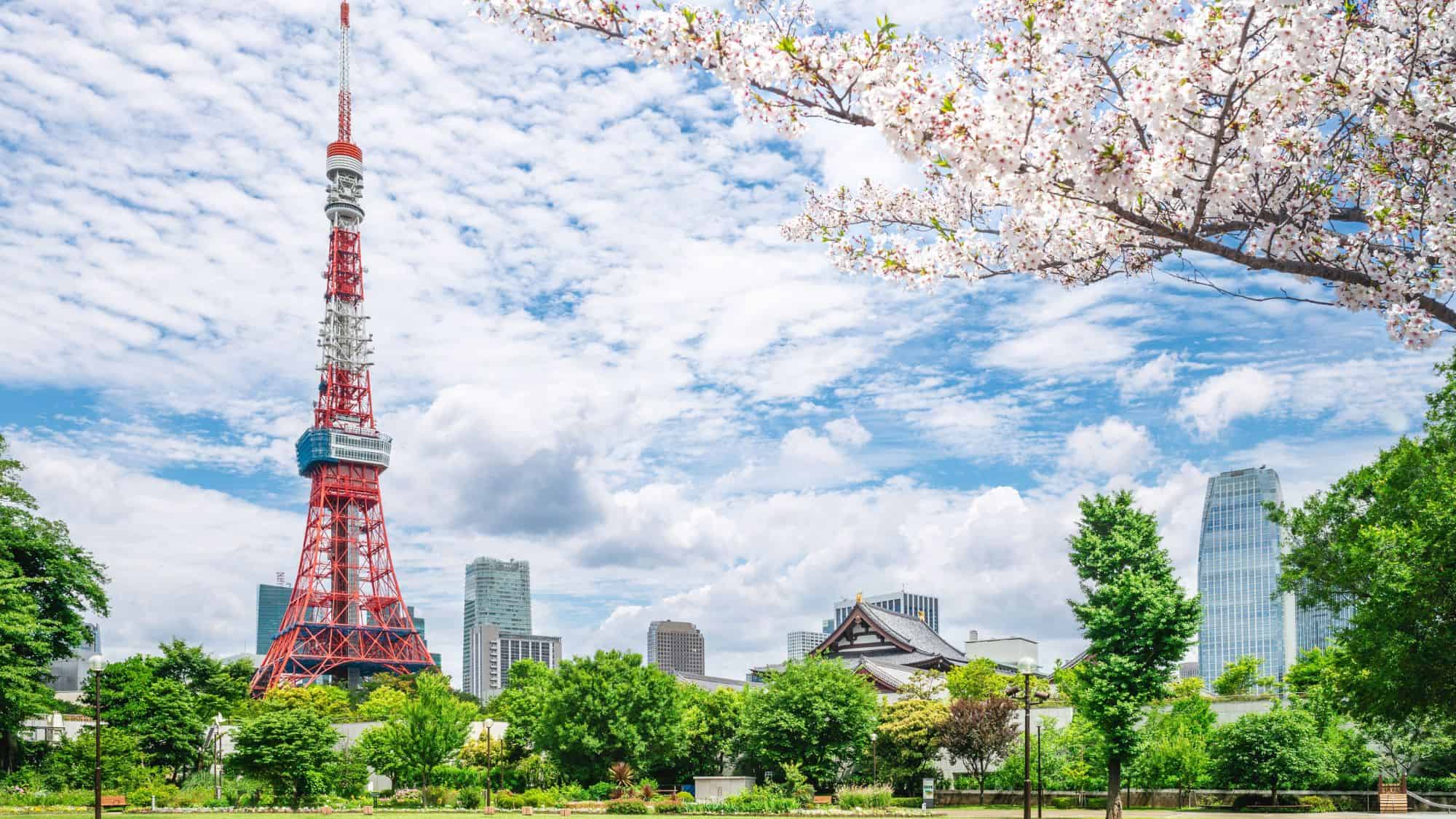
Tokyo is a neon-soaked dreamscape where ancient temples sit next to robot restaurants, but it has a long-standing reputation for being expensive. While deflation over the past few decades has made it slightly more affordable than during the bubble era, it can still drain your budget fast.
Transportation is efficient but pricey. For example, taking the Shinkansen (bullet train) to another city can cost as much as a plane ticket. Even moving around the city on the complex subway adds up, as there are different operators and transfers are not always free.
You might spend $15 USD a day just on subway fares if you are an active sightseer.
The cost of fresh produce, particularly fruit, is a cultural shock. High-end department stores sell perfectly shaped melons for $100 or more, intended as luxury gifts. And even in a regular supermarket, a pack of strawberries can cost $10.
On the flip side, you can find incredibly cheap and high-quality meals at ramen shops or conveyor belt sushi places for under $10.
It is a city of contrasts where you can eat a Michelin-starred meal for lunch on a budget, but then spend a fortune on a taxi ride because the trains stopped running at midnight.
Like Our Content? Follow Us On MSN (or click the Follow Button above) to see more from Traveling In Focus.