Found By Accident contains affiliate links and is a member of the Amazon Services LLC Associates Program. If you make a purchase using one of the Amazon links (or other affiliate links), we may receive compensation at no extra cost to you. See our disclosure policy for more information.
13 Contraband Items That Will Make You Do A Double-Take Before Crossing The U.S.-Canada Border
Crossing the border between the United States and Canada usually feels routine, especially if you drive back and forth often for vacations or shopping trips. And most travelers know the basics of what not to bring, like illegal drugs or excessive amounts of alcohol, but the list of prohibited items goes far deeper than the obvious culprits.
Both U.S. Customs and Border Protection (CBP) and the Canada Border Services Agency (CBSA) maintain strict, sometimes surprising regulations designed to protect agriculture, public health, and local economies.
Violating these rules can lead to confiscation, hefty fines, or even being barred from future entry, turning a quick weekend getaway into a logistical nightmare. And it is easy to assume that just because you bought an item legally in a store just a few miles from the border, it must be fine to bring across.
However, federal regulations don’t always align with local availability, and agricultural pests or diseases don’t care about shopping receipts. Seemingly innocent souvenirs like a bag of dog food or a piece of firewood can trigger serious biosecurity concerns.
So before you load up the trunk for your next road trip, it is worth double-checking exactly what is in your luggage. Here are some unexpected items that might catch you off guard at the crossing.
Bird Feathers And Nests
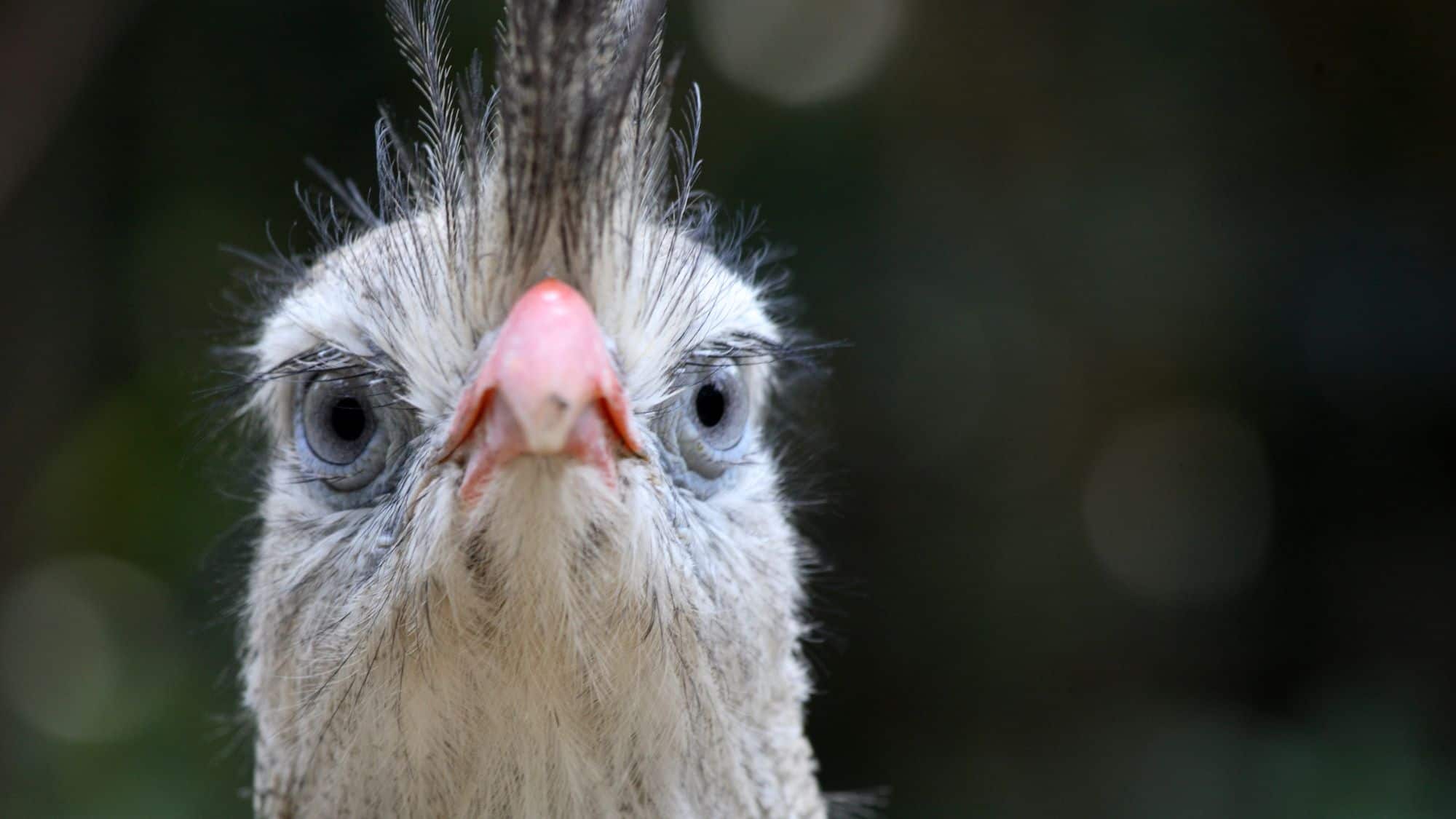
Collecting a feather from the ground during a hike seems like a harmless way to remember a trip, but it can actually land you in trouble at the border.
The United States has the Migratory Bird Treaty Act, which makes it illegal to possess, import, or export feathers, nests, or eggs of protected migratory birds without a specific permit.
This law was enacted all the way back in 1918 to protect bird populations from being decimated for the fashion industry, and it covers over 1,000 species, including common birds like cardinals and blue jays.
Customs officials cannot always easily identify the species of a random feather on the spot, leading to potential delays while they determine if it belongs to a protected or endangered species. So even if you found the feather on the ground and didn’t harm a bird, border agents may still confiscate it.
Canada also enforces the Migratory Birds Convention Act, which has similar restrictions on possessing nests or feathers.
While you might be able to bring in feathers from non-protected species like domestic chickens (if they are fully cleaned and free of skin or blood), it is generally safer to leave natural souvenirs where you found them.
Meat-Based Pet Treats
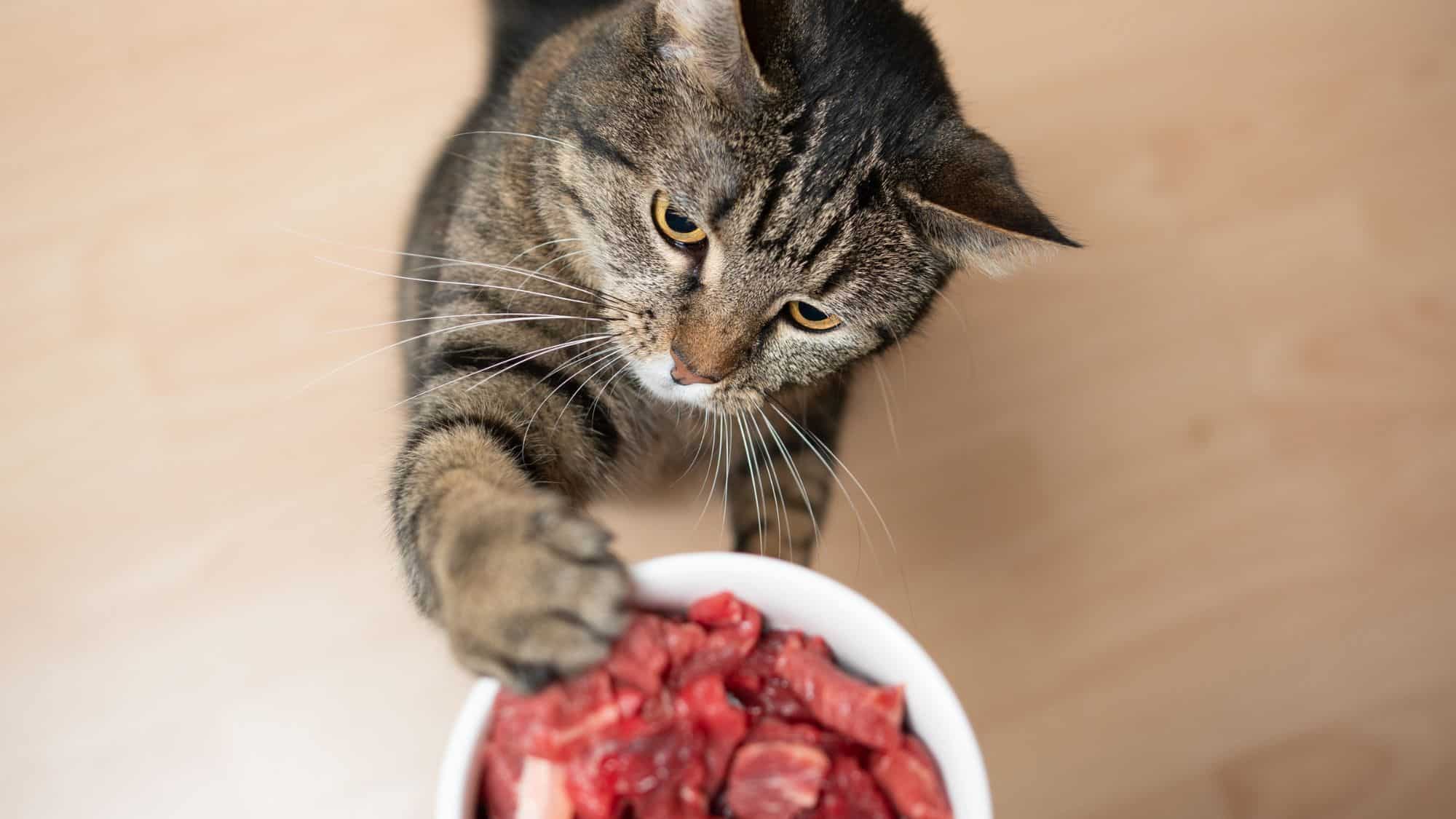
You might not think twice about tossing a bag of dog food in the back seat for a road trip, but pet food is one of the most common items seized at the border.
The U.S. and Canada have strict regulations regarding meat products to prevent the spread of diseases like Mad Cow Disease (Bovine Spongiform Encephalopathy) and Avian Influenza. For example, the USDA requires that any pet food containing sheep or goat meat be accompanied by strict certification, which most standard commercial bags do not have.
Even standard beef or chicken-based kibble can be problematic if the packaging is open or if the ingredient label isn’t clear. Travelers entering the U.S. must ensure that pet food is in its original, unopened packaging and clearly labeled with the country of origin.
If the food contains lamb or goat, it is almost always prohibited.
Canada has similar restrictions, often limiting the amount of pet food you can bring in (usually up to 44 pounds per person ), but only if it is of U.S. origin and commercially packaged.
Homemade treats or open bags are frequently tossed into the disposal bin by inspection officers.
Tattoo Ink And Equipment
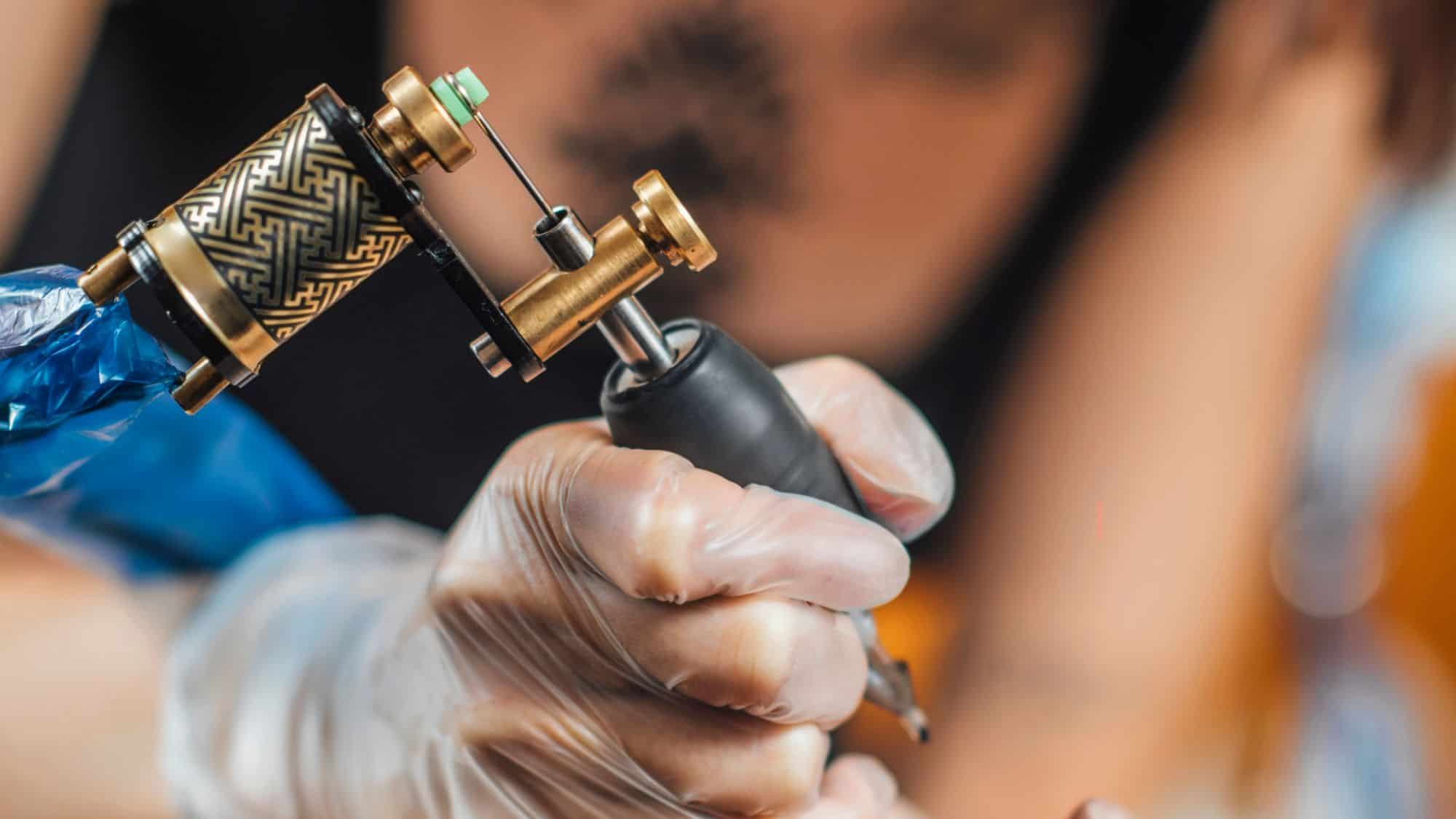
Bringing tattoo supplies across the border might raise eyebrows, even if you are just a hobbyist or a professional artist traveling for a convention. While owning tattoo equipment isn’t illegal, carrying large quantities of ink, needles, or machines can signal to border agents that you intend to work illegally in the country.
And working without a proper work visa is a major violation of immigration laws in both the U.S. and Canada, and “working” includes accepting money for services even if it’s just a casual arrangement.
Furthermore, certain tattoo inks may be restricted due to FDA regulations in the U.S. or health standards in Canada regarding specific pigments or ingredients.
If you cannot prove the ink is for personal use or compliant with local health safety standards, it could be seized. Officers look for indicators of commercial intent; a single machine might pass, but a suitcase full of different inks and bulk needles suggests you are setting up shop.
If you are traveling for a trade show, you absolutely need the correct business visitor documentation to avoid being turned away at the port of entry.
Used Mattresses

It might sound bizarre, but bringing a used mattress into Canada is technically restricted unless you meet very specific cleanliness standards.
The Canada Border Services Agency effectively prohibits the importation of used mattresses to prevent the spread of pests, specifically bedbugs, and soil contamination.
So if you are moving to Canada or trying to bring a second-hand mattress to a vacation cottage, you need a certificate demonstrating that the mattress has been cleaned and fumigated in accordance with the regulations.
Without a certificate of cleanliness and fumigation, officers have the authority to refuse the item. This rule falls under the Customs Tariff, specifically tariff item 9897.00.00, which classifies used or second-hand mattresses as prohibited importations.
There are exceptions for settlers who are permanently moving and bringing their household effects, but for the average traveler just crossing the border with furniture in a trailer, a used mattress is often a no-go.
It is much easier to buy a new one at your destination than to deal with the paperwork and potential rejection at the border crossing.
Pufferfish (Fugu)
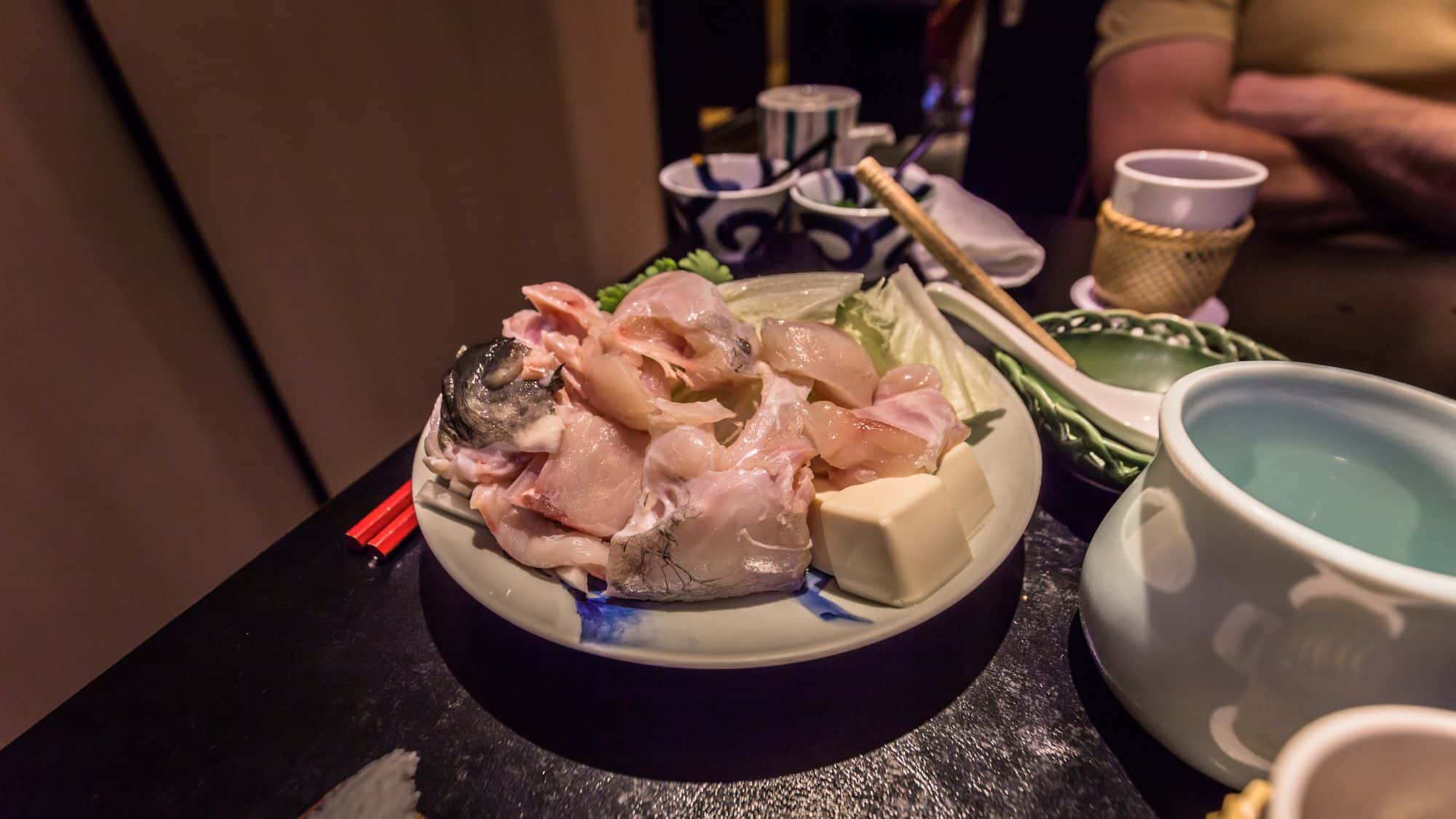
The importation of pufferfish, known as fugu, is heavily regulated due to the potential lethality of the fish if not prepared correctly. Pufferfish contain tetrodotoxin, a potent neurotoxin that can cause paralysis and death, and there is no known antidote.
Because of this severe health risk, the United States FDA generally prohibits the personal importation of pufferfish; it can only be imported for commercial purposes by specific importers who meet rigorous safety standards.
Even for commercial use, the fish must be processed by certified chefs in facilities that are inspected and approved by the Japanese government before being exported. You cannot simply buy fugu at a market in Canada (or elsewhere) and drive it into the U.S. for a dinner party.
CBP officers are trained to look for prohibited food items, and finding a potentially deadly fish in your cooler will likely lead to immediate confiscation and questions.
The risk to public health is considered too high to allow personal travelers to transport it across state lines without strict oversight.
Ivory Products

Transporting ivory across international borders is strictly controlled under the Convention on International Trade in Endangered Species of Wild Fauna and Flora (CITES).
Both the United States and Canada are signatories to this treaty, which aims to protect elephants and other ivory-bearing species from poaching and extinction. This means that old family heirlooms, musical instruments with ivory keys, or souvenir carvings cannot simply be driven across the border without extensive documentation.
In the United States, the regulations are particularly tight; near-total bans on the commercial trade of African elephant ivory have been implemented.
If you are traveling with a musical instrument that contains ivory, such as a vintage piano accordion or a violin bow, you often need a CITES certificate to prove the ivory was harvested before the ban dates (pre-convention).
Without this specific permit, your valuable antique could be seized permanently. The burden of proof is always on the traveler to show that the item is legal, and “I didn’t know” is rarely accepted as a valid excuse by wildlife inspectors.
Slot Machines
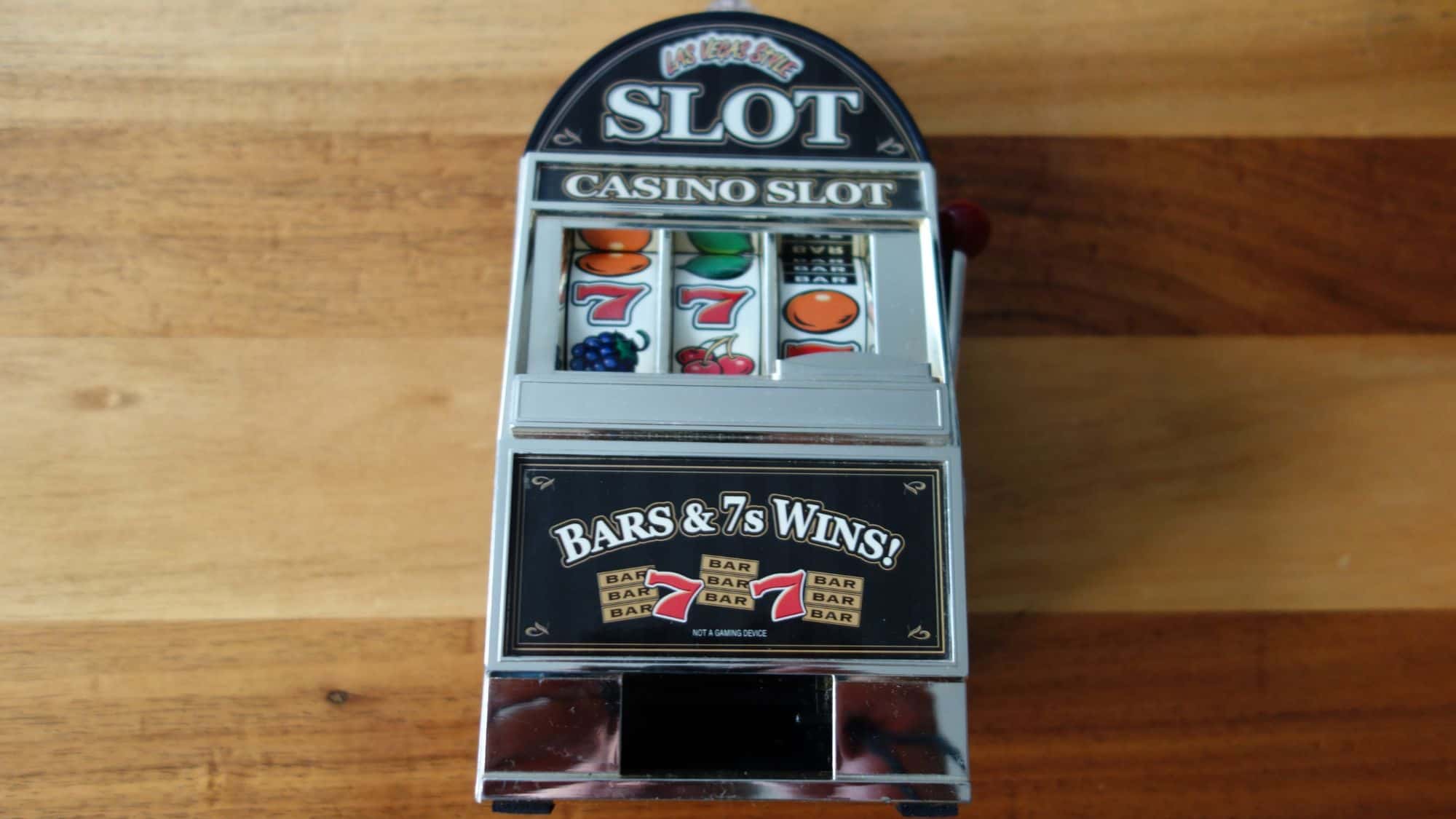
You cannot just bring a slot machine into the United States or Canada, even if you claim it is for a home game room or a collector’s piece.
The U.S. Department of Justice restricts the importation of gambling devices under the Johnson Act, which requires specific registration and makes it illegal to transport these machines into states where they are not explicitly legal.
So unless you are a registered dealer or moving to a state where possession is lawful and have the paperwork to prove it, border agents will stop you.
Canada also has strict laws regarding gambling devices; they generally cannot be imported by individuals.
Only provincial lottery corporations or licensed businesses are typically allowed to import gaming equipment. This includes older, vintage machines that might seem like harmless antiques. If a border officer determines the machine is a gambling device, it can be seized.
The complexity of state, provincial, and federal laws regarding gambling makes this a high-risk item to transport without professional legal guidance and commercial licenses.
Certain Firewood

Moving firewood across the border is strongly discouraged and often prohibited because it is a primary vector for invasive pests.
Insects like the Emerald Ash Borer and the Asian Longhorned Beetle can hide deep inside the wood, invisible to the naked eye, and devastating to North American forests if they spread to new areas.
The United States Department of Agriculture (USDA) and the Canadian Food Inspection Agency (CFIA) both have restrictions in place to stop the movement of untreated firewood.
Generally, you should purchase heat-treated firewood that bears a certification seal if you must transport it, but the safest bet is to buy wood where you burn it.
When entering Canada, firewood is often refused entry unless it originates from a certified heat-treatment facility and comes with official documentation. If you are caught with prohibited firewood, it will be confiscated and destroyed, and you could face a fine.
Protecting the local ecosystem from infestations that kill millions of trees is a priority for both nations, so “burn it where you buy it” is the golden rule.
Live Bait (Certain Types)

Anglers heading across the border for a fishing trip need to be extremely careful about what is in their bait bucket. The importation of live bait, such as minnows, leeches, or worms, is heavily restricted to prevent the introduction of invasive species and viral hemorrhagic septicemia (VHS), a deadly fish disease.
Canada prohibits the importation of live minnows, leeches, and other baitfish entirely; you must buy your bait once you are in the country.
The United States also has restrictions, particularly concerning the movement of baitfish between water bodies to stop VHS.
While nightcrawlers (earthworms) are sometimes allowed into Canada if they are packed in artificial bedding and free of soil, they may still be inspected. If the worms are in regular dirt, they will likely be refused because soil itself is often a prohibited item due to the microscopic pests it can harbor.
Using certified, disease-free bait purchased at your destination is the only way to ensure you aren’t inadvertently harming the fisheries you love.
Vehicles With Dirt Or Mud
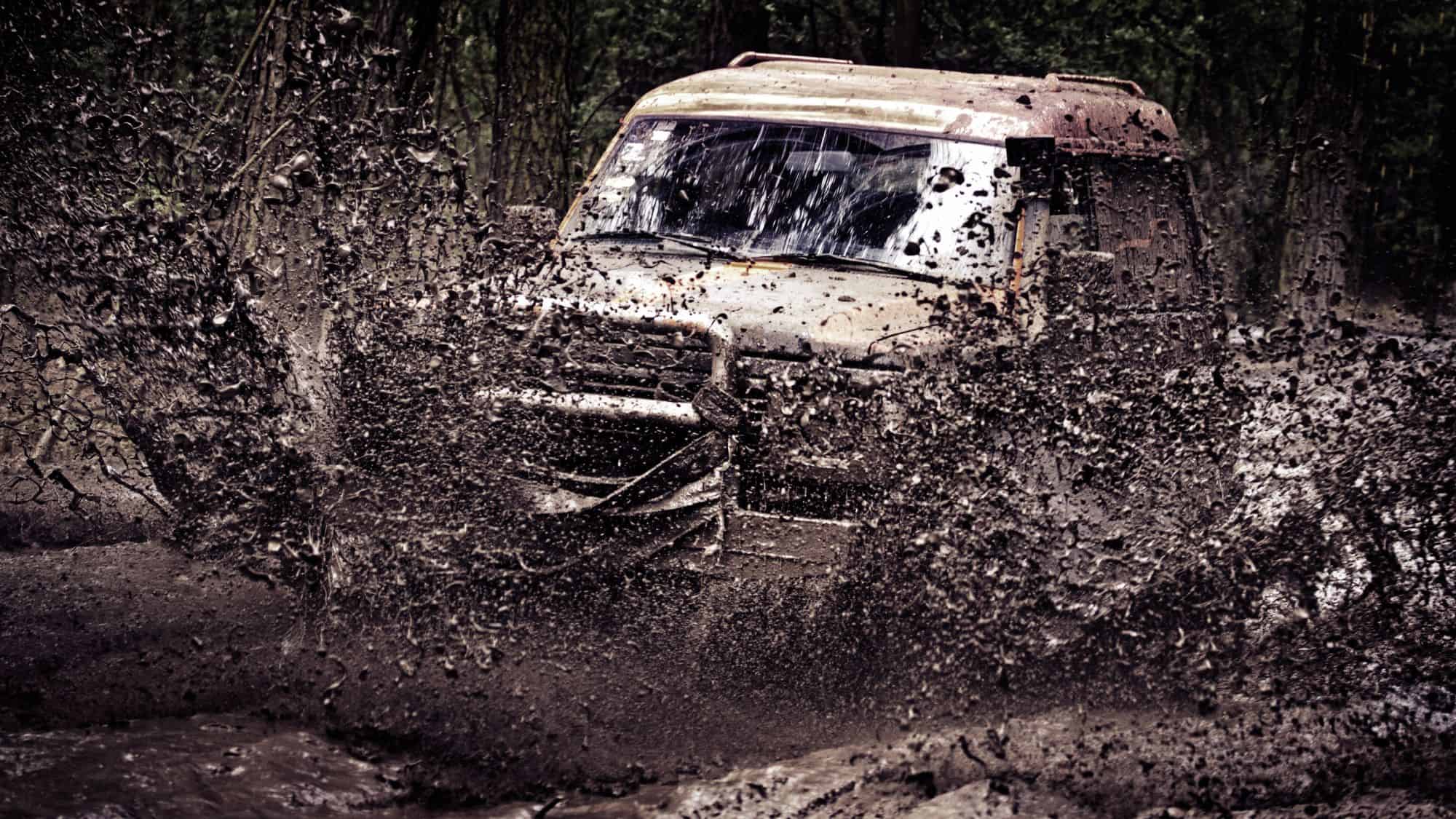
It might seem excessive, but an overly dirty truck or SUV can actually be denied entry at the border. Turns out, soil is considered a major carrier for agricultural pests, nematodes, and seeds of invasive weeds that could threaten crops and livestock.
U.S. Customs and Border Protection requires that vehicles imported or even temporarily driven into the country be free of foreign soil. This applies to the undercarriage, wheel wells, and even the interior floor mats.
If you have been off-roading or driving on farms in Canada and pull up to the U.S. border with caked-on mud, you may be ordered to turn around and wash the vehicle before you can enter. In some cases, if the contamination is severe, the vehicle could be turned away entirely.
Canada has similar concerns regarding soil from certain foreign regions, though it is less common for a simple U.S.-Canada crossing to trigger a full rejection unless there is an agricultural outbreak alert.
A quick run through a car wash before hitting the border is a simple step that can save you a lot of hassle.
Radar Detectors
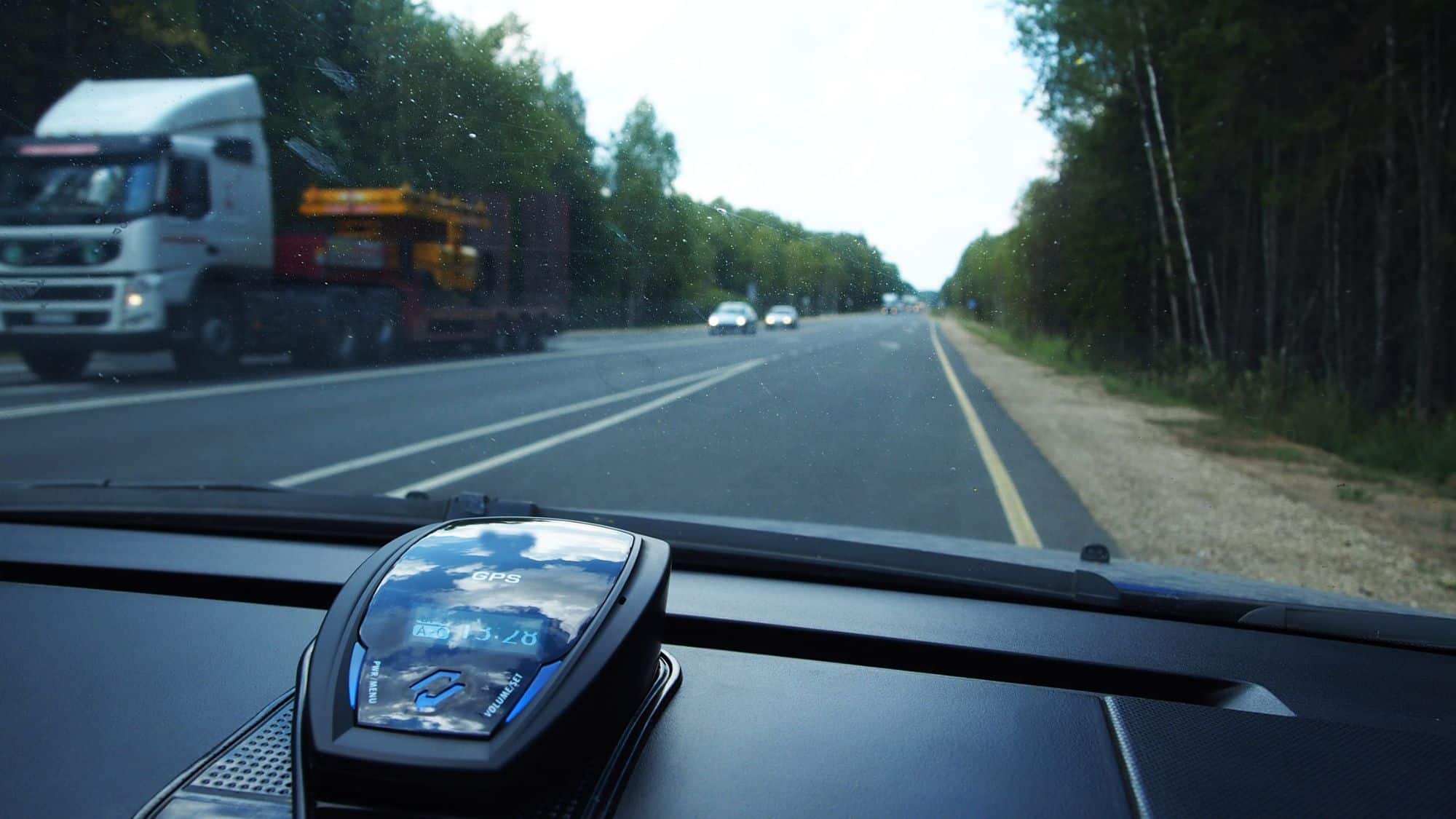
While radar detectors are a common accessory for many American drivers, they are illegal in many parts of Canada. Specifically, radar detectors are prohibited in the provinces of Manitoba, Ontario, Quebec, New Brunswick, Nova Scotia, Prince Edward Island, and Newfoundland and Labrador, as well as in all three territories.
If you are driving into Canada through any of these regions, having a radar detector in your car (even if it is turned off and in the trunk) can lead to confiscation and a fine.
Police in these provinces have equipment that can detect the use of radar detectors (VG-2 Interceptor), and they enforce these laws strictly. In some cases, the device might be seized by police after you have crossed the border, rather than by border agents themselves, but the risk remains high.
Conversely, radar detectors are generally legal in private vehicles in the U.S. (except in Virginia and Washington D.C.), but commercial vehicle drivers are banned from using them federally. So it is best to leave the device at home if your route takes you through prohibited Canadian zones.
Lottery Tickets

Technically, importing lottery tickets into the United States is prohibited under federal law.
This statute was originally designed to combat organized crime and illegal gambling operations, but the wording technically covers state-authorized lottery tickets as well.
While it is rare for a Customs officer to confiscate a single scratch-off ticket you bought at a Canadian gas station, strictly speaking, it is a violation of 19 U.S.C. § 1305 to import “any lottery ticket.”
The enforcement of this is generally lax for personal quantities, but if you were carrying a large bundle of tickets for a group or a pool, you could face scrutiny.
On the Canadian side, there isn’t a specific ban on bringing in foreign lottery tickets, but winning on a foreign ticket can complicate your tax situation, as U.S. winnings are taxable while Canadian winnings generally are not.
The primary risk remains on entry to the U.S., where the letter of the law technically forbids that dream of winning the jackpot across the border.
Chocolate-Covered Insects
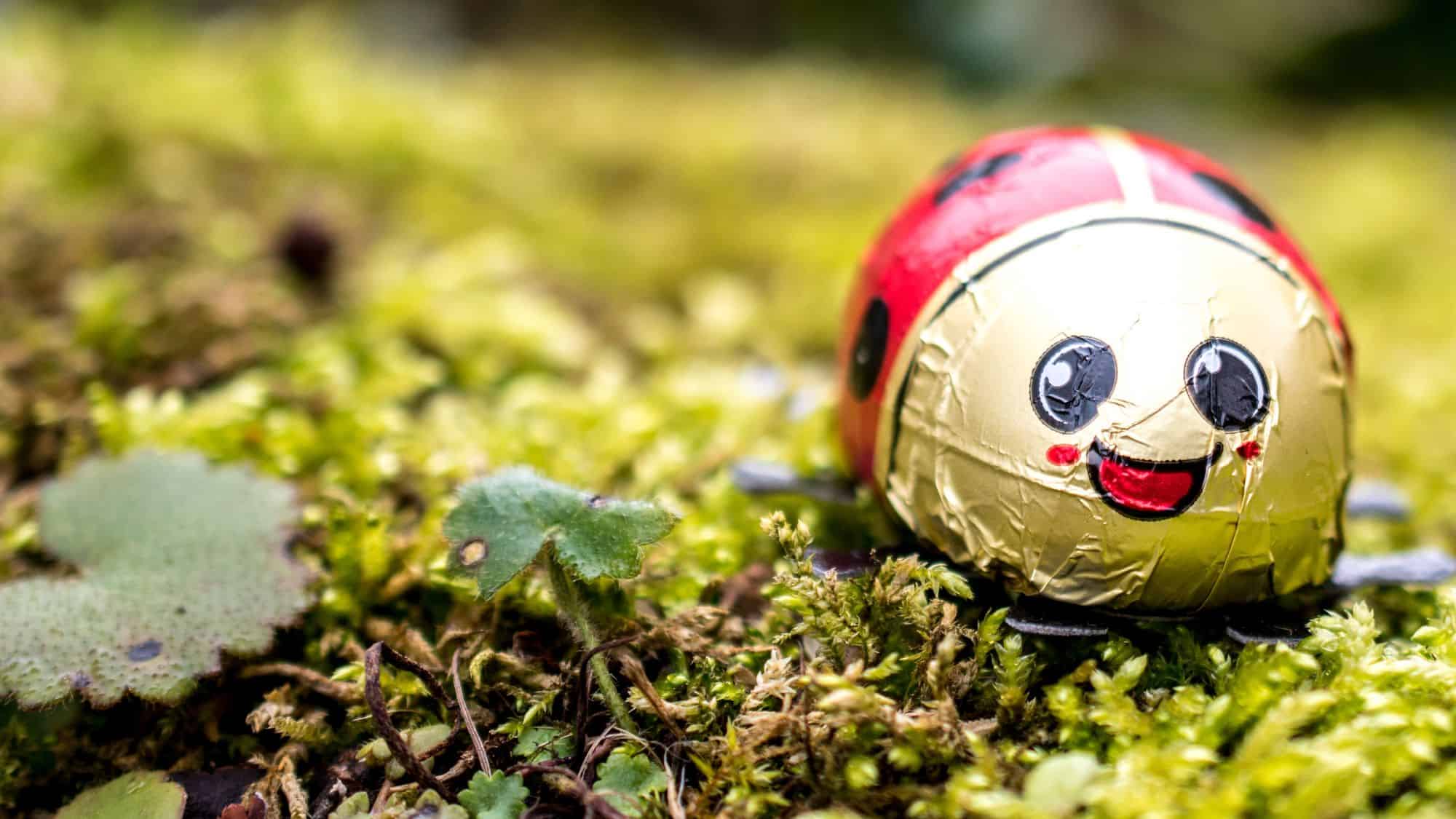
Novelty snacks like chocolate-covered crickets or ants might seem like a funny gift to bring back for kids, but they fall under strict agricultural guidelines.
The USDA regulates the importation of insects to prevent potential pests from entering the country. While dead, processed insects meant for human consumption are sometimes allowed, they are subject to inspection and must meet specific criteria regarding how they were processed.
If the border agent cannot verify that the insects are fully processed and pose no agricultural threat, the item will be seized. Additionally, if the product contains fruit or other prohibited ingredients mixed with the chocolate, it could be rejected on those grounds.
Canada also has restrictions on importing insects; generally, they must be dead and processed (cooked, dried, etc.) to be admissible.
Bringing in live insects for any reason, even as a pet or food, requires a completely different set of permits and is generally prohibited for casual travelers.
Like Our Content? Follow Us On MSN (or click the Follow Button above) to see more from Traveling In Focus.