Found By Accident contains affiliate links and is a member of the Amazon Services LLC Associates Program. If you make a purchase using one of the Amazon links (or other affiliate links), we may receive compensation at no extra cost to you. See our disclosure policy for more information.
When Cherry Blossoms Bloom In Japan, Everything Changes — Here’s How To Experience It Properly
The arrival of spring in Japan changes the landscape in a way few other natural events can match. Entire avenues turn a pale, cloudy pink, and centuries-old castle moats fill with petals that look like snow on the water.
This phenomenon isn’t just about beautiful scenery; it is a cultural heartbeat that has influenced Japanese art, poetry, and social life for over a thousand years.
You will find that the atmosphere during this season shifts completely. Parks that are usually quiet become lively gathering spots where people spread blue tarps under the trees for parties that last well into the night. Convenience stores stock pink-packaged snacks, and trains are filled with hikers heading to mountainsides covered in wild cherry trees.
But planning a trip around this spectacle requires more than just booking a flight, as nature follows its own schedule regardless of your itinerary. The specific window when the trees are in full glory is notoriously short, creating a sense of urgency and appreciation known as “mono no aware”, or the pathos of things.
Let’s take a look at what you need to know about visiting Japan during the incredible cherry blossom season.
Cultural Significance Of Cherry Blossoms
The sakura, or cherry blossom, is deeply woven into the fabric of Japanese history and identity.
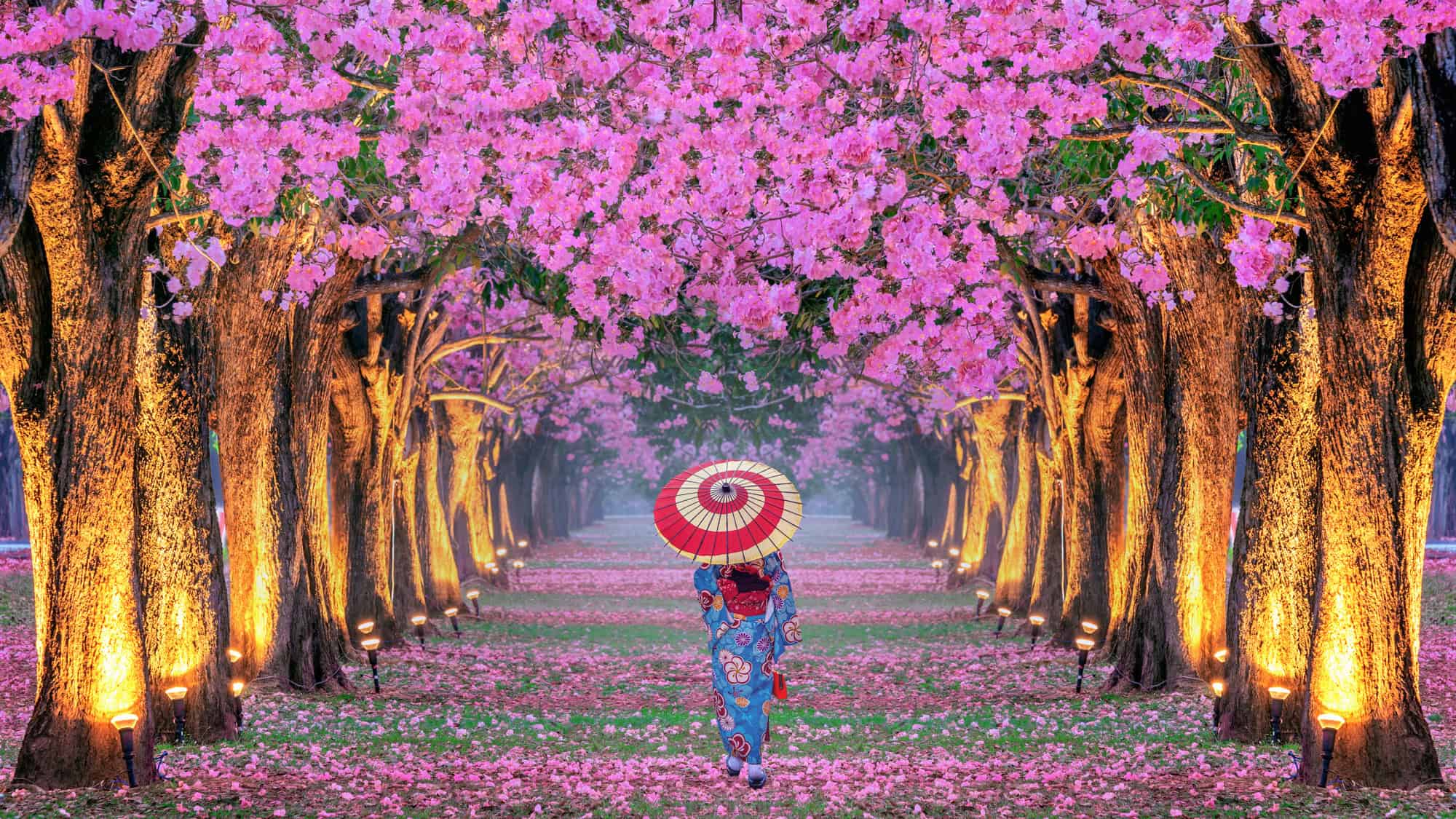
In the Heian period (794–1185), aristocrats began the practice of hanami (flower viewing) and writing poetry that praised the delicate beauty of the flowers. Today, the tradition continues with millions of people gathering under the trees to eat, drink, and socialize.
The transient nature of the blossoms, which often reach full bloom and then fall within a single week, serves as a powerful symbol of the fleeting nature of life itself.
This symbolism appears everywhere in Japanese culture, from the 100-yen coin, which features cherry blossoms, to the start of the fiscal and school years in April. The blooms represent new beginnings as much as they do endings.
During World War II, cherry blossoms were painted on the sides of kamikaze planes, symbolizing falling bravely for the emperor.
Now, they are a symbol of peace and friendship. In 1912, Japan gifted 3,020 cherry trees to the United States as a gesture of goodwill, many of which still stand around the Tidal Basin in Washington, D.C.
How Cherry Blossom Timing Works
Because the Japanese archipelago stretches over 1,800 miles from northeast to southwest, the cherry blossoms do not bloom all at once.
The “sakura front” is a wave of blooming that begins in the subtropical south and travels northward as the weather warms. Meteorological agencies release their first forecasts in late January or early February, and these updates are watched as closely as severe weather warnings.
So planning a trip requires flexibility because the window for “full bloom” is brief. Once a tree begins to flower, it usually takes about one week to reach full bloom. The peak viewing period lasts nearly another week before the petals start to fall, though strong winds or heavy rain can significantly shorten it.
Travelers should monitor the Japan Meteorological Corporation’s official forecasts, which are updated frequently as spring approaches.
If you arrive in Tokyo and find the trees have already shed their petals, you can often catch the remaining season by taking a train north or heading into the mountains, where the higher altitude delays the bloom.
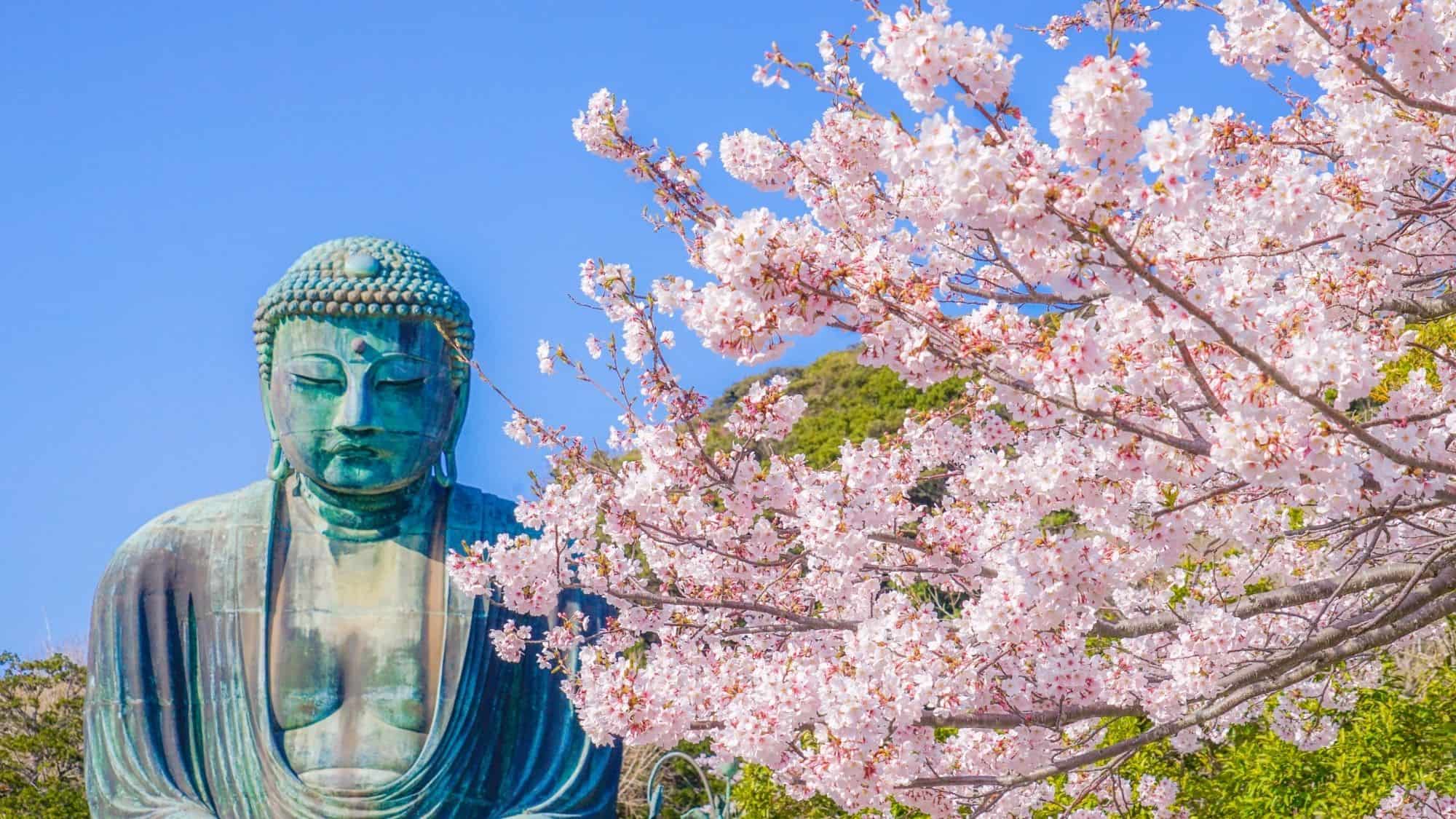
General Timing By Region
Timing varies significantly depending on where you plan to visit, so building an itinerary often means chasing the front or picking a specific region and hoping for the best. But here are general timeframes by region based on years past.
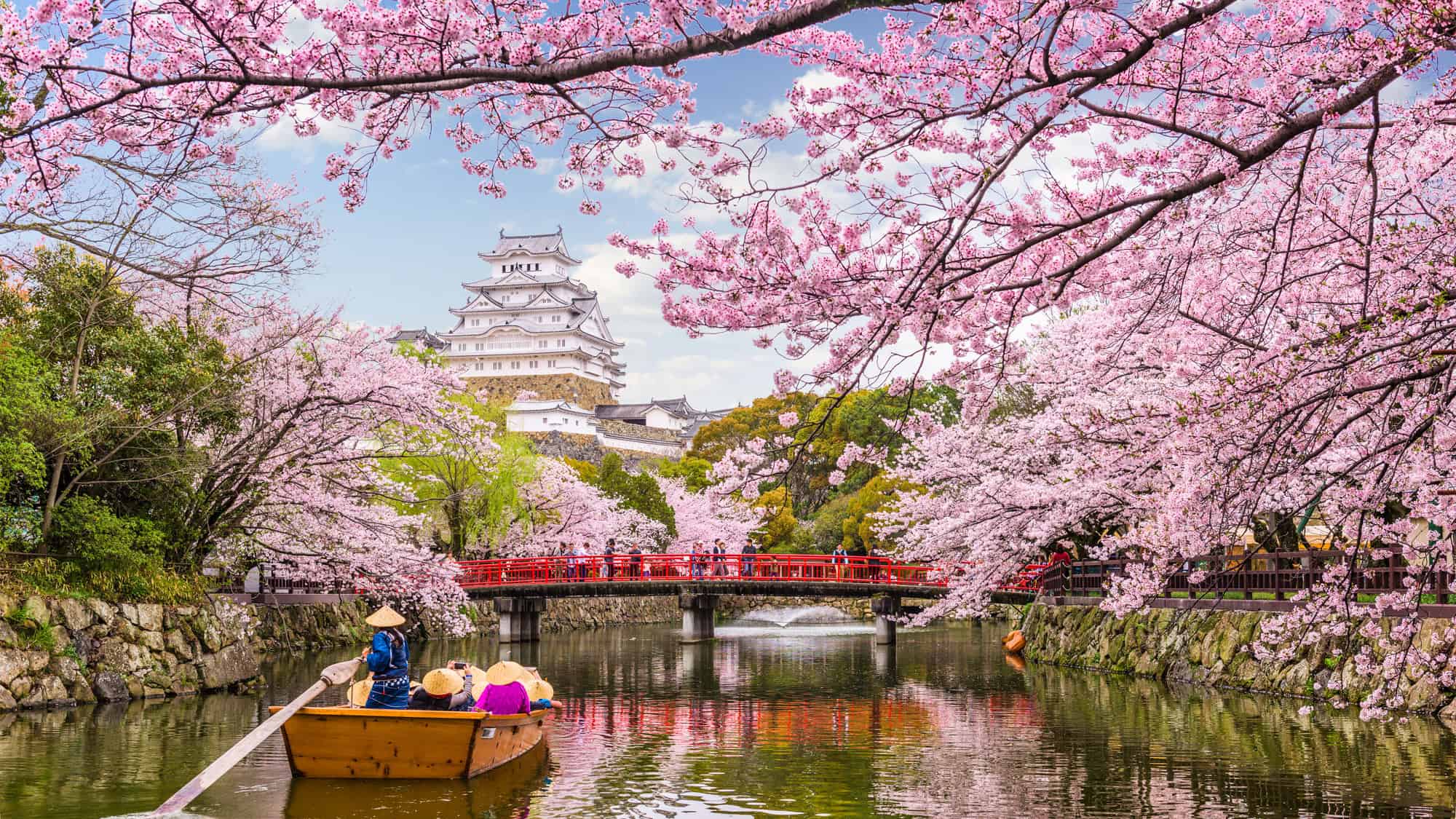
Best Locations To See Cherry Blossoms
While you can see cherry trees on almost every street corner, certain locations offer spectacular density and historical backdrops that are worth fighting the crowds to see.
Top Urban Destinations
Tokyo
Kyoto
Osaka
Other Popular Spots
Unique Cherry Blossom Experiences For Your Visit
Viewing the flowers during the day is only one way to experience the season.
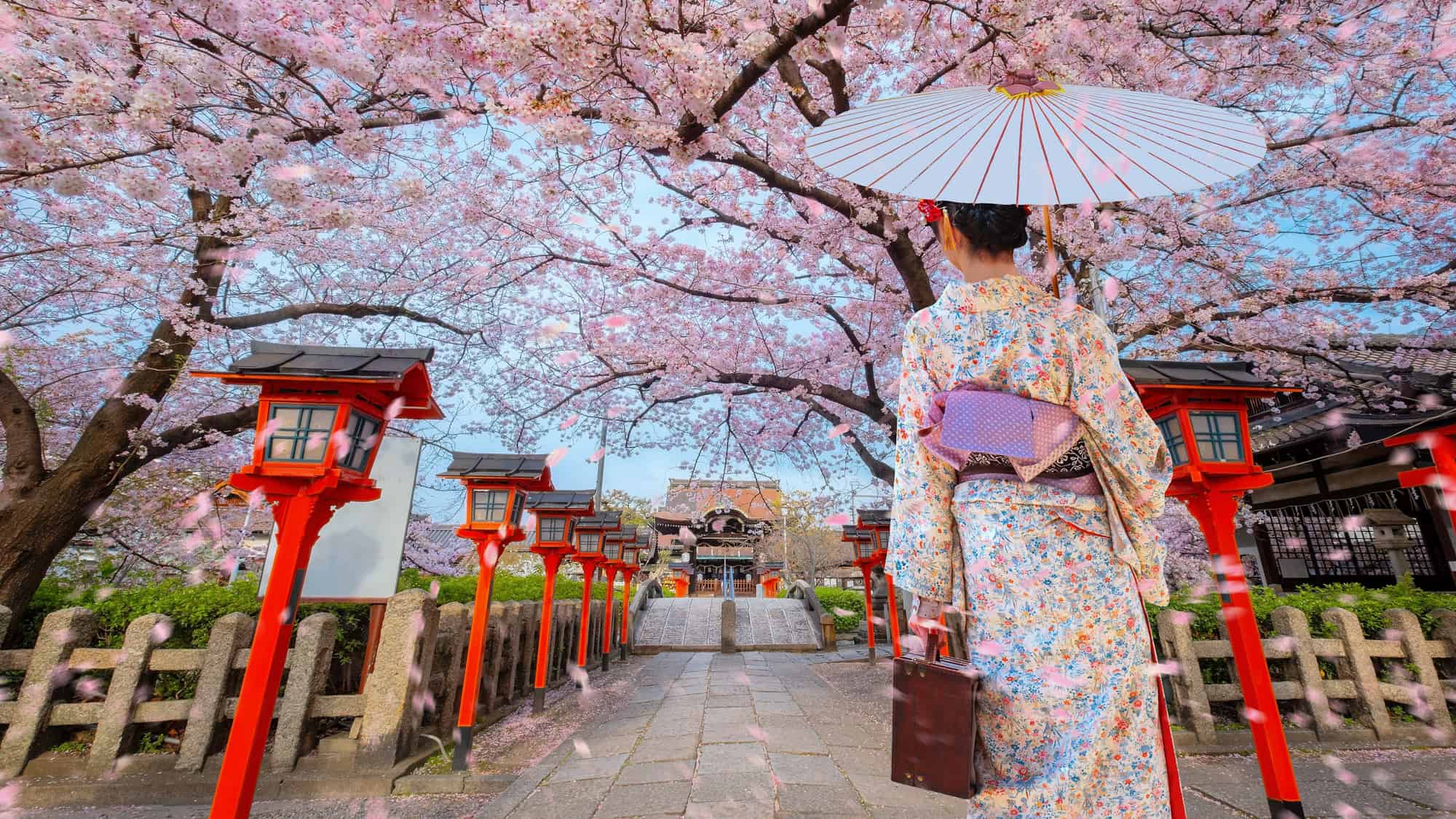
Yozakura, or night cherry blossom viewing, is a popular activity where lanterns or temporary floodlights illuminate the trees against the night sky. Many parks and temples that usually close at 5:00 PM extend their hours during this season for special light-up events.
The season also brings a wave of seasonal flavors. You will find sakura-mochi, a pink rice cake filled with red bean paste and wrapped in a pickled cherry leaf.
Starbucks Japan releases highly anticipated sakura-themed drinks every year, and breweries issue special spring packaging for their beers.
Festivals pop up in parks across the country, with food stalls selling yakisoba, grilled squid, and chocolate-covered bananas.
And at the Japan Mint in Osaka, a “Cherry Blossom Passage” opens to the public for just one week a year, showcasing over 130 rare varieties of late-blooming double-petaled cherries.
Tips For Planning Your Visit
If you want to catch the peak bloom, you must be strategic with your bookings. Hotels in Kyoto and Tokyo can double in price and sell out months in advance for the first week of April.
It is often wise to book accommodation that allows for free cancellation, so you can adjust your plans if the forecast shifts dramatically.
Remember that the main viewing spots will be incredibly crowded. To secure a spot for a picnic in places like Ueno Park or Yoyogi Park, locals often arrive early in the morning to lay down their tarps.
For a quieter experience, visit the parks at sunrise, or seek out cemeteries like Aoyama Cemetery in Tokyo, which is surprisingly beautiful and peaceful during the bloom.
Also, pack layers. Spring weather in Japan is fickle, and temperatures can drop to 40°F or 50°F in the evenings, making those night viewings pretty chilly without a jacket.
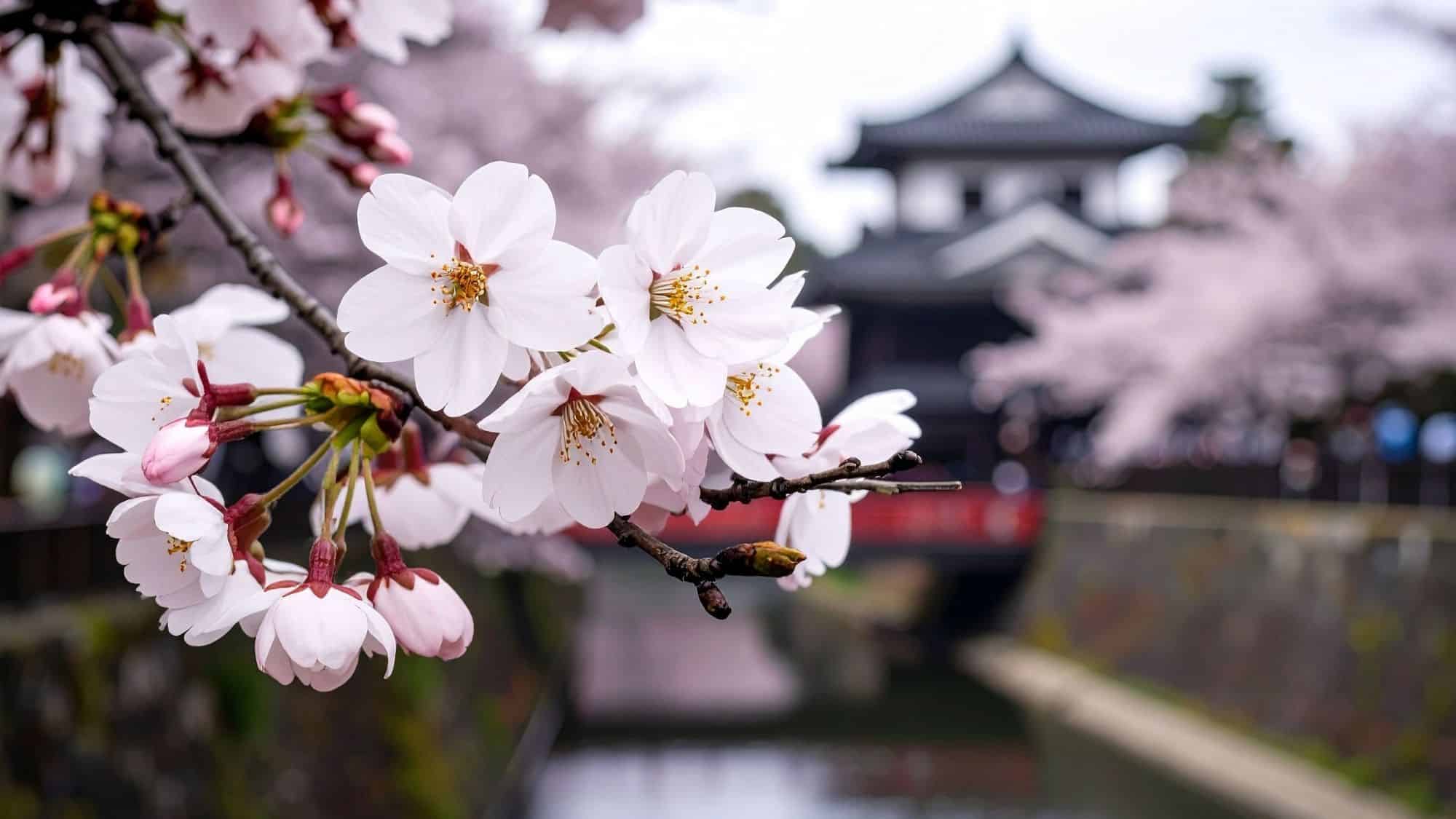
Beyond The Blossoms: Exploring Japan In Spring
Japan’s spring is a canvas brushed with more than just cherry tree petals. This season in general encourages you to slow down and savor centuries-old traditions.
Tea ceremonies become especially meaningful, with dedicated tearooms in Kyoto and Kanazawa inviting guests to sit on tatami mats and experience the stillness of a handcrafted ritual. In these fragrant rooms, matcha is whisked to a froth as gardens awake beyond the shoji screens.
Outside the cities, national parks and mountains offer rewarding hikes. Trails ranging from gentle riverside paths near Kyoto’s Arashiyama to the forested climbs of Mount Takao unlock panoramic views spiced with wildflowers and new green leaves.
Spring’s comfortable daytime temperatures, often hovering in the 60s°F to 70s°F, make long walks or hillside picnics enjoyable and safe this time of year.
No visit in spring is complete without a soak in an onsen. With snow still capping the peaks in places like Hakone or the peaceful pools of Yudanaka, slipping into a thermal bath as cool air drifts by offers a sense of renewal.
And you can’t forget all the seasonal foods starring on every menu: grilled bamboo shoots, delicate strawberries, and citrusy yuzu treats anchor meals in the season.
At the end of the day, if you booked your trip a year in advance and fall short of being in Japan for peak cherry blossom season, there are still plenty of spring activities to make it a trip of a lifetime.
Like Our Content? Follow Us On MSN (or click the Follow Button above) to see more from Traveling In Focus.