Found By Accident contains affiliate links and is a member of the Amazon Services LLC Associates Program. If you make a purchase using one of the Amazon links (or other affiliate links), we may receive compensation at no extra cost to you. See our disclosure policy for more information.
Struggling With Jet Lag? These 15 Easy Tricks Help You Feel Rested Faster Than You’d Expect
Jet lag is the uninvited guest that shows up on every long-haul trip, crashing the party just when you’re trying to enjoy your first sunset cocktail. It’s that foggy, disjointed feeling where your brain thinks it’s lunchtime, your stomach thinks it’s midnight, and your legs just want to lie down on the airport carpet.
We’ve all been there, staring at the ceiling of a hotel room at 3:00 AM, wondering why we ever thought crossing seven time zones was a good idea (spoiler: it was, you just need sleep).
But here’s the thing: while you can’t completely stop the Earth from spinning, you can definitely trick your body into rolling with the punches. The science of circadian rhythms is complex, but the solutions don’t have to be.
By tweaking your routine before you even pack your suitcase and making smart choices in the air, you can land feeling like a functioning human rather than a zombie in search of caffeine.
From strategic napping to the magic of compression socks, we are going to walk through the ultimate survival guide for modern travel. Because let’s be honest, you didn’t fly halfway around the world to sleep through the best parts.
Adjust Your Schedule Before Traveling
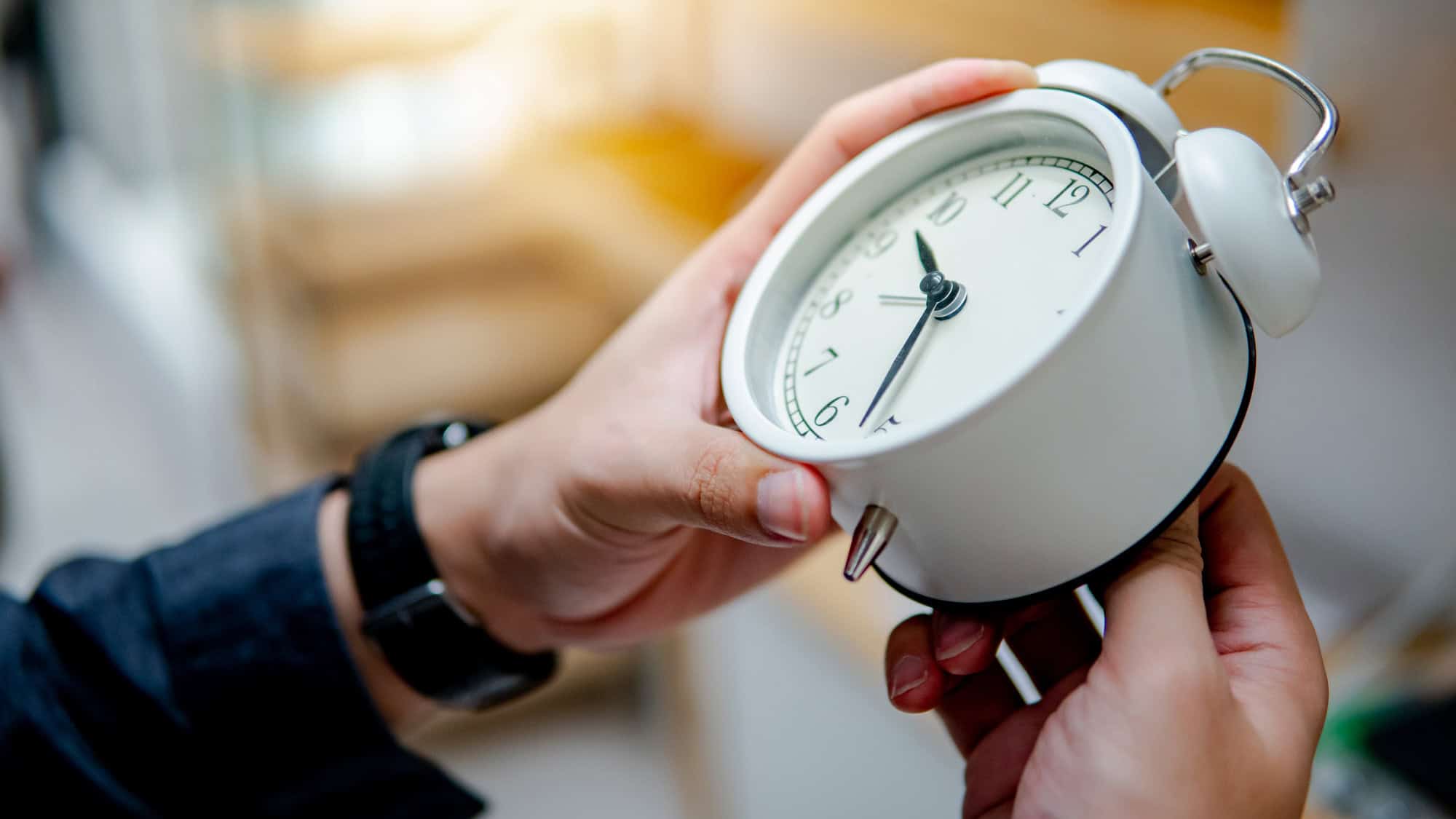
Most folks wait until they step off the plane to start thinking about the local time, but seasoned travelers know the battle actually starts days before takeoff.
Think of your internal clock like a stubborn toddler; you cannot just drag it into a new routine instantly without a full-blown temper tantrum in the middle of a grocery store. You have to coax it gently.
If you are flying east (say, New York to London), try going to bed an hour earlier each night for about three days before your trip. If you are headed west, do the opposite and force yourself to stay up a bit later (binge-watching that show you’ve been saving is now “research”).
It sounds like a hassle, but shifting your circadian rhythm by just 60 to 90 minutes beforehand can make a massive difference upon arrival.
Scientific studies suggest that light exposure is the real MVP here. Our bodies are biologically wired to wake up with the sun and sleep when it is dark, thanks to a tiny part of the brain called the suprachiasmatic nucleus.
So by manipulating your light exposure at home (dimming lights earlier for eastbound trips), you are essentially pre-programming your brain for the destination. It is a bit like giving your body a spoiler alert for the movie it is about to watch.
Stay Hydrated During Your Flight

Airplane cabins are notoriously dry, often having lower humidity levels than the Sahara Desert (sad, but true). The humidity on a typical flight hovers around 10-20%, whereas comfortable indoor humidity is usually between 30-50%.
This desert-like environment dehydrates you faster than you realize, and dehydration exacerbates every single symptom of jet lag. The fatigue, the headaches, the brain fog? They are all amplified when your body is parched like a dried sponge.
It is tempting to rely on the tiny plastic cups of water the flight attendants hand out, but let’s be real, that is barely enough to wet your whistle, let alone combat the dry air over an eight-hour journey.
Your best bet is to bring a large, reusable water bottle and fill it up after security. Aim to drink about eight ounces of water for every hour you are in the air. It sounds like a lot (and yes, you will become very familiar with the airplane lavatory and its questionable lighting), but it keeps your blood flowing and your energy levels stable.
Also, try to steer clear of alcohol and excessive caffeine while flying. I know, a glass of wine helps take the edge off turbulence, but alcohol dehydrates you further and disrupts the quality of sleep you might get on board.
Take Short Naps Strategically

Napping is a double-edged sword when it comes to travel. Do it right, and you get a power boost; do it wrong, and you won’t sleep for two days straight, ending up resembling a raccoon with those dark circles.
The trick is timing and duration. If you land in the morning and are absolutely exhausted, a nap is acceptable, but it needs to be a tactical strike, not a full surrender. Keep it to 20 or 30 minutes max.
This is often called a “power nap” because it provides restorative benefits without letting you drift into deep, slow-wave sleep, which leaves you feeling groggy and disoriented (a phenomenon known as sleep inertia).
NASA pilots have actually studied this extensively (because falling asleep at the controls is generally frowned upon in aviation), and they found that a 26-minute nap improved performance by 34% and alertness by 54%.
Set an alarm on your phone, and maybe a backup alarm just in case you are a heavy sleeper. Because if you sleep for three hours in the middle of the day, you are essentially telling your body to stay in your home time zone, destroying all the hard work you did to adjust.
Think of a nap as a snack, not a meal. It is just enough to get you to bedtime, which is the ultimate goal.
Wear Compression Socks

If you haven’t jumped on the compression sock bandwagon yet, consider this your official invitation to the cool kids’ club.
They aren’t just for your grandma or serious marathon runners; they are a traveler’s secret weapon. Sitting in a cramped metal tube for hours causes blood to pool in your legs and feet, leading to swelling (cankles are never a good look on vacation) and a heavy, sluggish feeling when you land.
This poor circulation contributes to the overall exhaustion of jet lag. Graduated compression socks work by applying pressure at the ankle and gradually decreasing it up the leg, which helps push blood back up toward your heart where it belongs.
Medical experts note that wearing these socks can significantly reduce the risk of Deep Vein Thrombosis (DVT), a serious condition where blood clots form in deep veins, often due to immobility.
But beyond the scary medical stuff, they just make your legs feel fresher. Instead of stepping off the plane feeling like you are walking on swollen water balloons, you have a bit more spring in your step.
Just remember to put them on before you board (wrestling tight socks on in a tiny economy seat is a form of yoga nobody needs to practice publicly).
Switch Time Zones Mentally
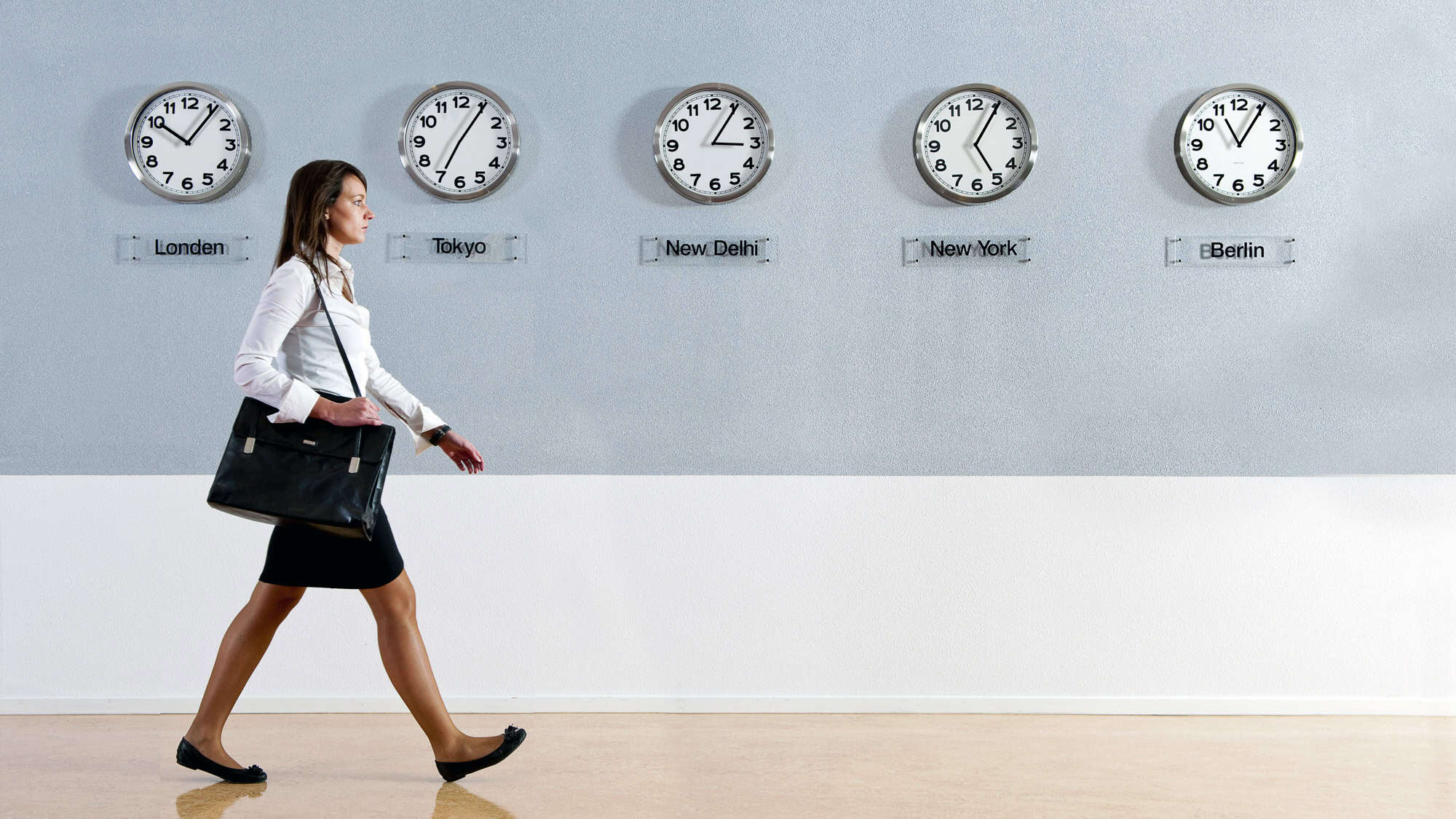
One of the biggest psychological hurdles of travel is the “home time” game. You know the one: you look at your watch in Paris and think, “It’s 2:00 PM here, but it’s 8:00 AM at home, so technically I should be having pancakes.”
Stop it! Doing the math is a surefire way to keep your brain tethered to the wrong time zone. The moment you step onto the plane, change your watch and your phone (if it doesn’t update automatically like magic) to the time at your destination.
This simple act starts the mental shift before the physical one kicks in. It forces you to act according to the new schedule.
If your watch says it’s bedtime at your destination, try to sleep on the plane, even if your body thinks it is mid-afternoon and ready for a meeting. If it says it’s morning, force yourself to stay awake and watch three terrible romantic comedies in a row (we won’t judge your taste).
It is all about behavior modification. By checking the time and seeing your destination’s schedule, you stop engaging in the mental tug-of-war that makes jet lag feel so much worse. It helps you embrace the “now” rather than holding onto the “back there.”
Exercise Before Or After Your Flight

We aren’t suggesting you run a marathon the minute you clear customs (unless you are a glutton for punishment), but moving your body is one of the fastest ways to reset your internal clock.
Exercise increases your body temperature and releases endorphins, both of which signal to your brain that it is time to be awake and active. So if you can squeeze in a workout before you head to the airport, it helps wear you out for the flight, potentially making sleep easier.
A study published in the Journal of Physiology found that exercising at specific times can shift the circadian clock. Working out in the afternoon or early evening helps shift your clock later (good for flying west), while morning exercise pulls it earlier (good for flying east).
Even light exercise, like a brisk walk or some yoga stretches in your hotel room, gets the blood pumping and oxygenates your brain. It shakes off that stagnant, pressurized-cabin feeling that makes you feel like a crumpled tissue.
Just don’t do a high-intensity interval training session right before bed, or you will be too wired to sleep, defeating the whole purpose.
Stick To A Bedtime Routine
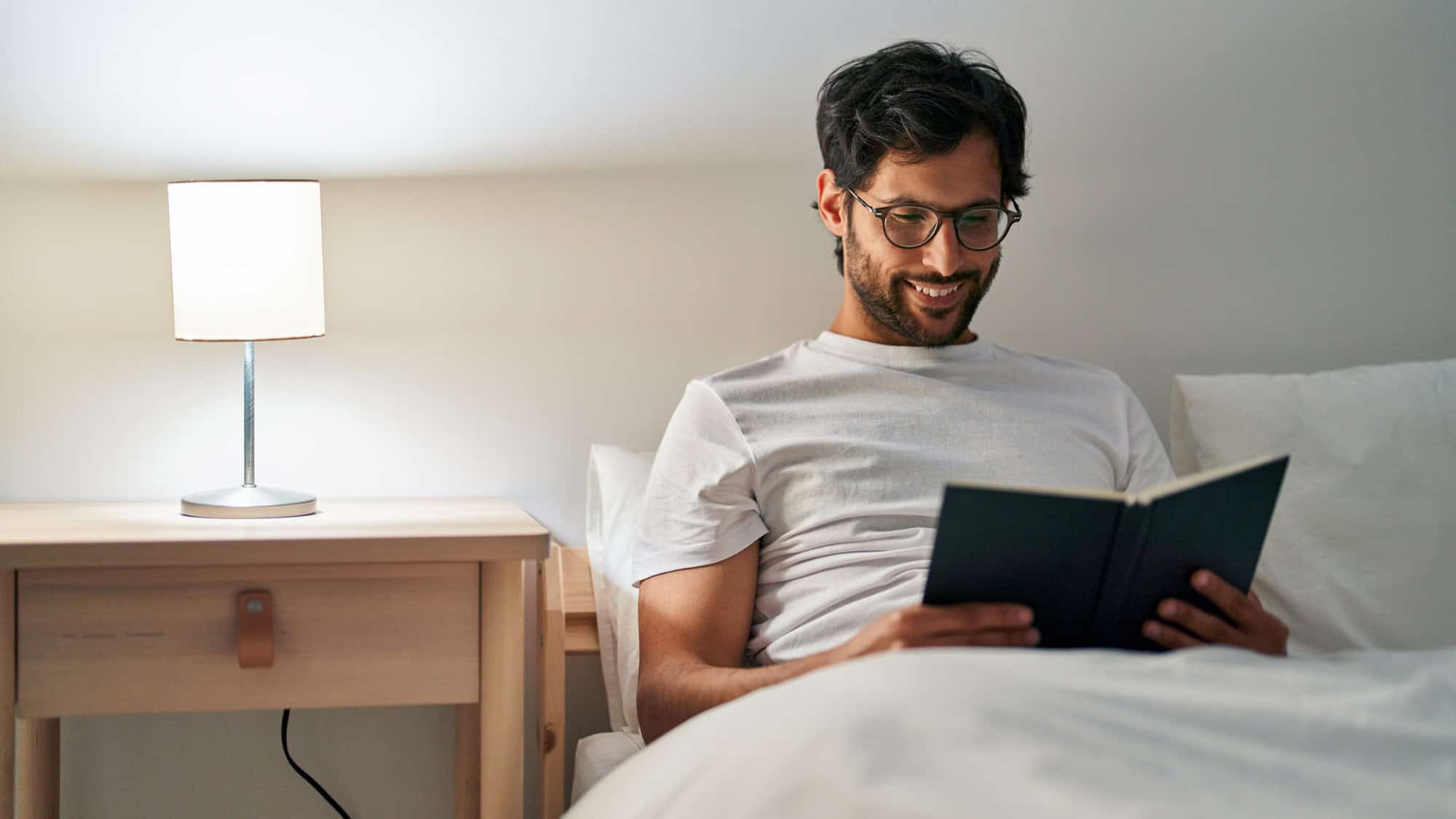
When everything around you is new (the bed, the pillows, the weird noises from the street that sound like a robot fight), your brain stays on high alert. This is known as the “first-night effect,” where one hemisphere of the brain stays slightly awake to monitor for danger (or room service).
To combat this, bring a slice of home with you in the form of a bedtime routine. If you usually read for 20 minutes before sleep, do that. If you wash your face and apply a specific moisturizer, don’t skip it just because you are tired.
Consistency tells your brain, “Okay, we know this drill; it is time to shut down.”
Pack comfortable pajamas (maybe not the ratty t-shirt you wear at home with the holes in it; treat yourself to a matching set) and perhaps a familiar scent, like a small vial of lavender oil.
Research has shown that lavender can lower blood pressure and heart rate, promoting relaxation and helping you drift off.
By replicating your home rituals, you create a sensory cue that overrides the unfamiliar environment. It anchors you. Even if your body is screaming that it is 2:00 PM, the ritual of brushing your teeth and reading a chapter of a book signals that sleep is the next logical step.
Choose Overnight Flights
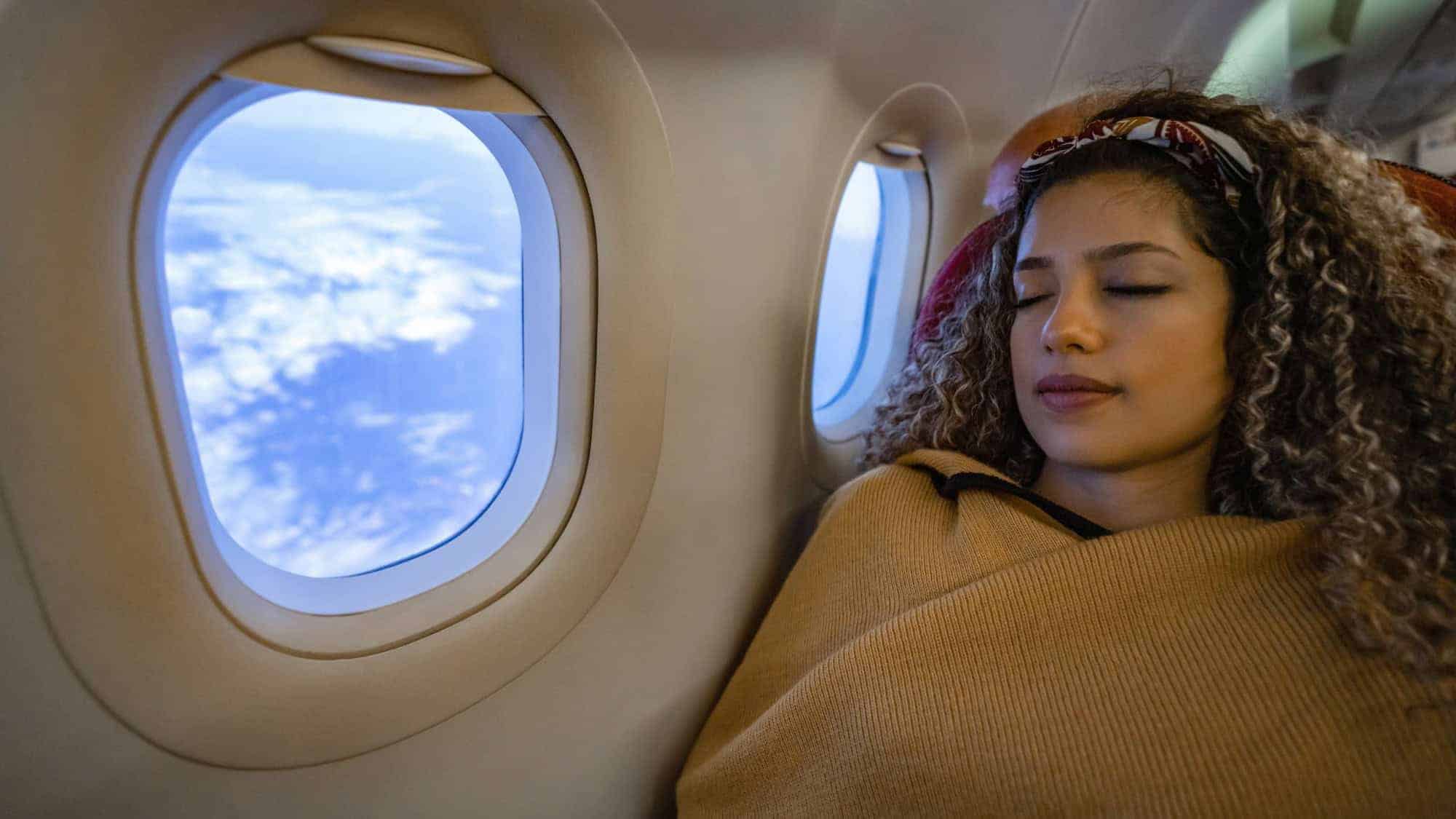
The “red-eye” gets a bad rap, but for eastbound travel, it is often the most logical choice for beating jet lag.
The idea is to mimic your natural sleep cycle as closely as possible. If you fly from New York to London overnight, you take off around dinner time and land in the morning.
If you manage to sleep on the plane (earplugs and eye masks are non-negotiable here unless you enjoy listening to babies cry), you land when the sun is coming up, which helps reset your clock. It aligns your travel time with your body’s desire to sleep during the dark hours.
Of course, “sleeping on a plane” is easier said than done. To maximize your chances, book a window seat so you have something to lean against and won’t be disturbed by neighbors needing the restroom every twenty minutes.
Avoid screens for an hour before you try to sleep, as the blue light suppresses melatonin production, the hormone that tells you it is time to snooze.
Even if you only get a few hours of choppy rest, it is better than landing at midnight totally wired. You arrive, drop your bags, and force yourself to stay awake until a reasonable local bedtime (coffee helps).
Stay Active After Arrival

The temptation to face-plant into the hotel duvet the moment you check in is overwhelming. The bed looks so fluffy, and the blackout curtains are calling your name like a siren song. Resist!
Succumbing to a long sleep immediately upon arrival is the quickest way to ensure you will be awake all night staring at the ceiling and counting sheep. Instead, drop your bags, maybe take a shower, and get back out the door.
Exploring your new surroundings keeps your mind engaged and your body moving, preventing you from dwelling on how tired you are.
Go for a walk in a local park or stroll through a museum where you have to stand and walk around (try not to lean on the priceless art). Natural light combined with light physical activity is the gold standard for circadian realignment. It signals to your brain that the day has started.
Try to avoid sedentary activities like sitting in a dark movie theater or a long, boozy lunch where you might accidentally doze off at the table (awkward for everyone involved). Instead, keep moving until the sun goes down, or at least until early evening, to build up enough “sleep pressure” for a solid night’s rest.
Try A Cold Shower
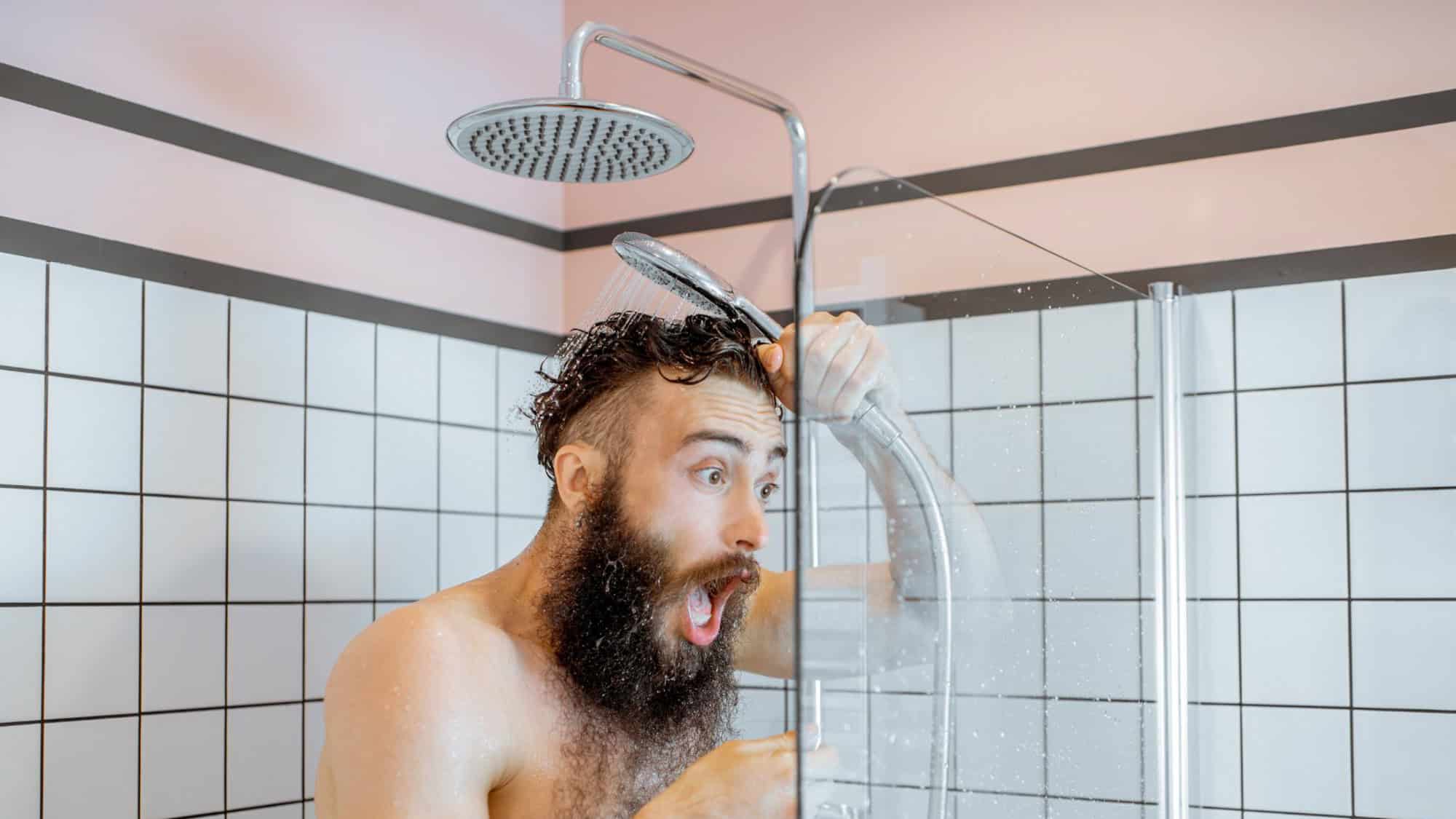
If you are fading fast and need a reboot, skip the third espresso and hop in the shower. But not a nice, steamy, relaxing one. Instead, turn that handle to cold.
It sounds like torture, especially when you are tired and emotional, but hydrotherapy is a proven way to shock the system into alertness. The cold water causes an immediate increase in heart rate and oxygen intake as you gasp for air (it is involuntary, don’t worry, you won’t drown).
This rush of adrenaline wakes up your brain faster than any energy drink on the market.
Physiologically, the cold water stimulates the release of noradrenaline, a neurotransmitter that improves focus and attention. And you don’t have to freeze for ten minutes; even a 30-second blast at the end of a regular shower does the trick. It invigorates your skin and tightens your pores, so you will look fresh even if you feel like a crumpled boarding pass.
Think of it as a hard reset for your computer: unpleasant for a moment, but necessary to get things running smoothly again (and way cheaper than a spa treatment).
Eat Foods That Promote Sleep

When you finally crawl into bed at your destination, your stomach might be growling for a burger because it thinks it is dinnertime back home. And what you eat matters.
Avoid heavy, spicy, or sugary meals right before bed, as these can cause indigestion and blood sugar spikes that wake you up later (nobody wants heartburn in a foreign country).
Instead, opt for a light snack that contains tryptophan or melatonin-boosting properties. Foods like cherries, bananas, almonds, and oatmeal are excellent choices that won’t leave you feeling gross.
Cherries, specifically tart cherries, are one of the few natural food sources of melatonin. A study from Louisiana State University found that drinking tart cherry juice extended sleep time by nearly 90 minutes in older adults with insomnia. And bananas contain magnesium and potassium, which are natural muscle relaxants.
It is about fueling your body for rest, not for a marathon. A small bowl of oatmeal with some sliced banana is comforting, easy to digest, and chemically designed to help you drift off. It is the culinary equivalent of a lullaby.
Break Up Long Layovers

If you are traveling halfway around the world, such as from London to Sydney, trying to power through in one go is a recipe for disaster. Sometimes, the best way to beat jet lag is to pause it.
Breaking up a long journey with a 24-hour layover allows your body to rest in a real bed, take a shower (please, for everyone’s sake), and eat a proper meal. It essentially splits the time zone adjustment into two smaller, more manageable chunks rather than one massive shock to the system.
Many airlines offer stopover programs where you can stay in their hub city for no extra airfare cost. Places like Dubai, Singapore, and Reykjavik are popular stopover destinations.
It turns a grueling travel day into a mini-vacation (two trips for the price of one). You get to stretch your legs, see a new city, and sleep horizontally instead of curled up like a pretzel.
By the time you board the second leg of your flight, you are refreshed and showered, making the final arrival much less painful. It takes the “lag” out of the jet lag equation.
Expose Yourself To Natural Light

This is arguably the most critical step in the entire guide. Light is the primary zeitgeber, a fancy German term for an environmental cue that regulates the body’s biological clock.
When light hits the photoreceptors in your eyes, it signals the brain to stop producing melatonin and wake up. If you arrive in the morning, get outside immediately. And take your sunglasses off (unless it is blindingly bright and you prefer not to squint) to let that full spectrum of light hit your retinas.
Conversely, avoiding light is just as important when you want to sleep. If you are trying to adjust to a new time zone, avoid bright screens and harsh overhead lights in the evening.
A study by the Rush University Medical Center showed that the timing of light exposure can shift the circadian clock by several hours. Morning light advances the clock (makes you wake up earlier), while evening light delays it (makes you stay up later).
Use the sun as your remote control to fast-forward or rewind your internal clock to match your destination.
Try Aromatherapy

Smell is a potent sense, directly linked to the brain’s emotional and memory centers (the amygdala and hippocampus).
While it might sound a bit “woo-woo” and new age-y, using essential oils can be a helpful tool in your anti-jet-lag arsenal. We mentioned lavender earlier for sleep, and studies back this up; inhaling lavender has been shown to increase slow-wave sleep (the deep, restorative kind).
But you can also use scents to wake up and feel alive again.
Citrus scents like lemon and grapefruit, as well as peppermint and eucalyptus, are known to be stimulating. Dab a little peppermint oil on your wrists or temples when you land to help clear that foggy head. It is refreshing and sharp (like a slap in the face with a candy cane).
You can buy convenient rollerball applicators that fit easily in your liquids bag. And creating a sensory routine helps cue your body on what it should be doing, relaxing or revving up, without relying solely on caffeine or sleeping pills.
Try Melatonin Supplements

If natural methods aren’t quite cutting it and you are desperate, you can call in reinforcements. Melatonin is a hormone your body produces naturally to signal sleep, but travel throws that production out of whack like a broken compass.
Taking a supplement can help jumpstart the process. It is widely available over the counter in the U.S., though you might need a prescription in some other countries (so check before you fly or you might be explaining yourself to customs).
The key is dosage and timing. You don’t need a mega-dose; usually, 0.5mg to 5mg is sufficient.
Take it about 30 to 60 minutes before your target bedtime at your destination. It helps induce drowsiness and shifts the circadian phase.
However, treat it with respect; it is a hormone, not a candy. And consult your doctor before trying it, especially if you are on other medications.
But used correctly, it acts like a reset button, helping you fall asleep at the “correct” local time so you can wake up ready to tackle that itinerary you spent months planning (and arguing over).
Like Our Content? Follow Us On MSN (or click the Follow Button above) to see more from Traveling In Focus.