Found By Accident contains affiliate links and is a member of the Amazon Services LLC Associates Program. If you make a purchase using one of the Amazon links (or other affiliate links), we may receive compensation at no extra cost to you. See our disclosure policy for more information.
Tourists Love These 11 Cities, Locals Roll Their Eyes — Here’s Why They’re Still Crowded
It is easy to get swept up in the romantic allure of a famous destination when scrolling through perfectly edited photos on social media. We see the golden sunsets of Santorini or the neon glow of Tokyo and instantly add them to our bucket lists, dreaming of the day we can see them for ourselves.
But sometimes, the reality on the ground feels vastly different from the glossy brochures, leaving visitors battling colossal crowds, inflated prices, and a sense that the local charm has been polished away for mass consumption.
Locals know where the authentic food is actually served, which streets are quiet enough to hear your own footsteps, and why that famous landmark might just be a glorified photo op. They see the daily impact of overtourism (the clogged alleyways, the noise pollution, and the transformation of neighborhoods into souvenir strips) and often suggest alternatives that offer a richer experience.
This isn’t to say these cities aren’t worth visiting, but rather that managing expectations is crucial for a satisfying trip.
By understanding why some locals find these hubs overrated, you can better navigate the tourist traps and perhaps find the hidden gems that truly make a destination special.
Hollywood, California
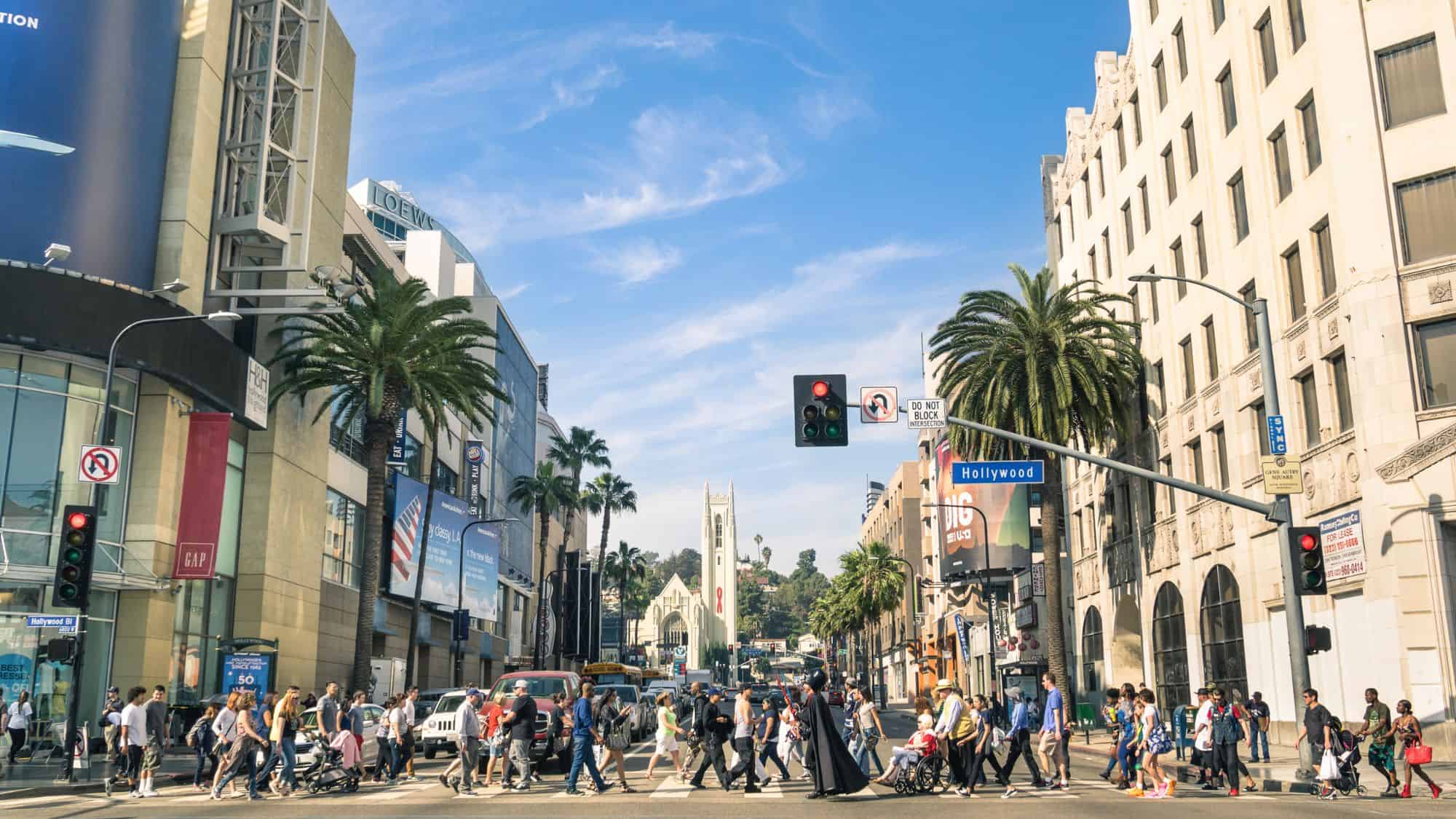
When people think of Los Angeles, they immediately envision the glitz and glamour of Hollywood, expecting to spot celebrities sipping lattes on every corner.
The reality of Hollywood Boulevard, however, is often a gritty shock to the system, characterized more by souvenir shops and costumed characters demanding tips than movie magic. The Walk of Fame stretches for 1.3 miles and features over 2,700 stars, yet visitors often find themselves looking down at the pavement while dodging aggressive street vendors and navigating through throngs of other tourists.
Locals generally avoid this area at all costs, viewing it as a congested tourist trap that rarely represents the creative spirit of the entertainment industry.
Instead of the polished cinematic experience many hope for, you might encounter dirty sidewalks and traffic gridlock that makes a two-mile drive take forty-five minutes. And the TCL Chinese Theatre and the Dolby Theatre are historic landmarks worth a quick look, but the surrounding atmosphere can feel chaotic and underwhelming.
Angelenos will tell you that the real magic of L.A. lies in its diverse neighborhoods, from the artistic enclave of Silver Lake to the beachy vibes of Santa Monica, or even a hike in Griffith Park, where you can see the Hollywood Sign from a respectful distance without the hustle.
If you want to experience the industry, a studio tour in Burbank offers a far more authentic glimpse behind the curtain than the crowded boulevard ever could.
Dubai, UAE
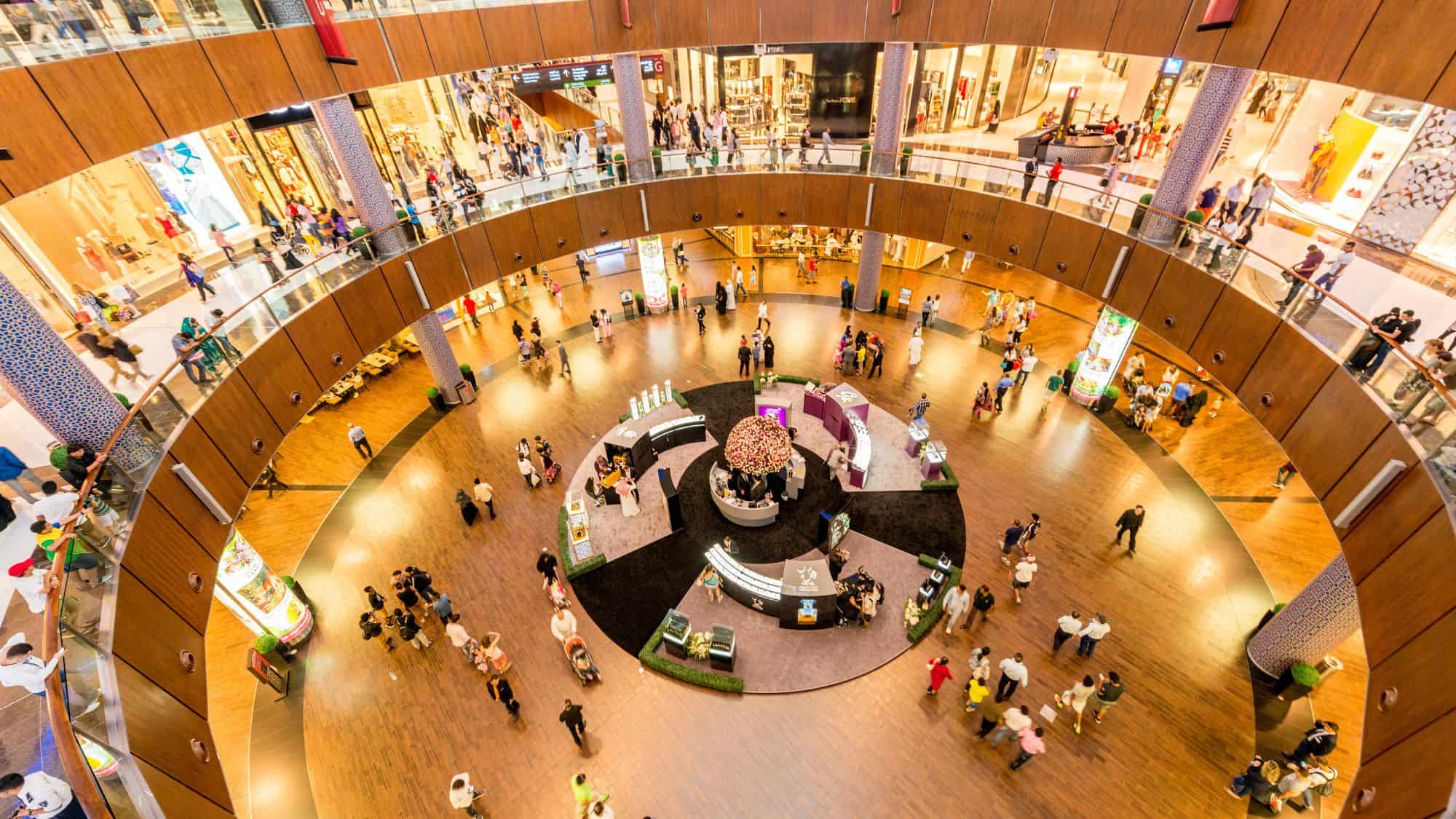
Dubai has rapidly transformed from a desert port into a futuristic metropolis known for having the biggest, tallest, and most expensive of everything. It attracts millions who want to witness the Burj Khalifa, which stands at a staggering 2,717 feet, or shop in the sprawling Dubai Mall, home to over 1,200 retail stores.
However, for some residents and seasoned travelers, the city can feel like a shiny theme park lacking deeper cultural roots, where the heat is oppressive, and the cityscape is dominated by construction cranes and traffic.
The intense summer temperatures, which often exceed 110°F, drive life almost entirely indoors, creating an environment that relies heavily on air conditioning and artificial spaces.
The focus on luxury and consumerism means that finding traditional Emirati culture requires effort and a willingness to venture away from the skyscrapers. And locals often point out that the lifestyle is incredibly transient, with a massive expat population that makes the city feel more international than distinctly Middle Eastern.
While the Palm Jumeirah is an engineering marvel, staying there can feel isolating, disconnecting you from the pulse of the actual city.
For a more grounded experience, many suggest visiting the Al Fahidi Historical Neighbourhood or taking an abra ride across Dubai Creek, where the trade roots of the city are still visible, offering a stark contrast to the sterile glamor of the downtown area.
Marrakech, Morocco
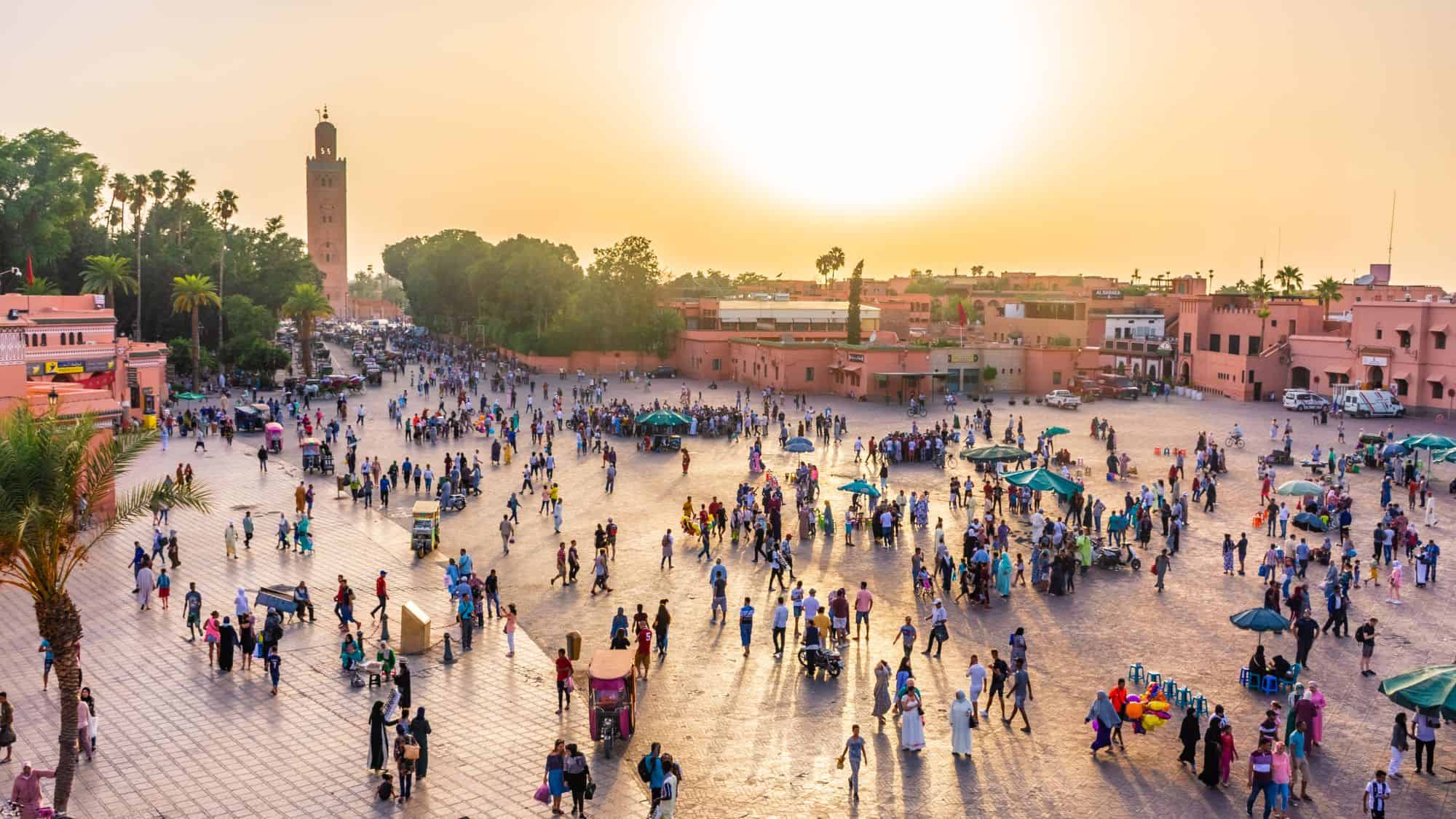
Marrakech is often billed as a sensory feast, a place of vibrant colors, intricate architecture, and bustling markets that seem pulled from a storybook.
The Jemaa el-Fnaa square is the heart of this activity, a UNESCO Masterpiece of the Oral and Intangible Heritage of Humanity, teeming with storytellers, musicians, and food stalls. Yet, for many visitors, the sensory overload quickly turns into stress as they navigate aggressive sales tactics in the souks and the constant hustle of the medina.
Locals and expats often note that the “authenticity” presented to tourists is increasingly curated, with prices in the central markets inflated significantly compared to what residents pay just a few streets away.
The sheer intensity of the crowds, coupled with the noise of motorbikes zooming through narrow pedestrian alleyways, can make relaxation difficult within the city walls. While the Majorelle Garden is stunning, it hosts around 900,000 visitors annually, meaning your peaceful communion with nature is often shared with hundreds of others vying for the perfect selfie.
Residents often retreat to the quieter, modern district of Gueliz or escape to the nearby Atlas Mountains for tranquility.
To truly enjoy Marrakech, you need to develop a thick skin for bargaining and perhaps find a riad deep in the medina where the chaos of the streets fades away behind heavy wooden doors, offering the sanctuary that the streets deny.
Bangkok, Thailand
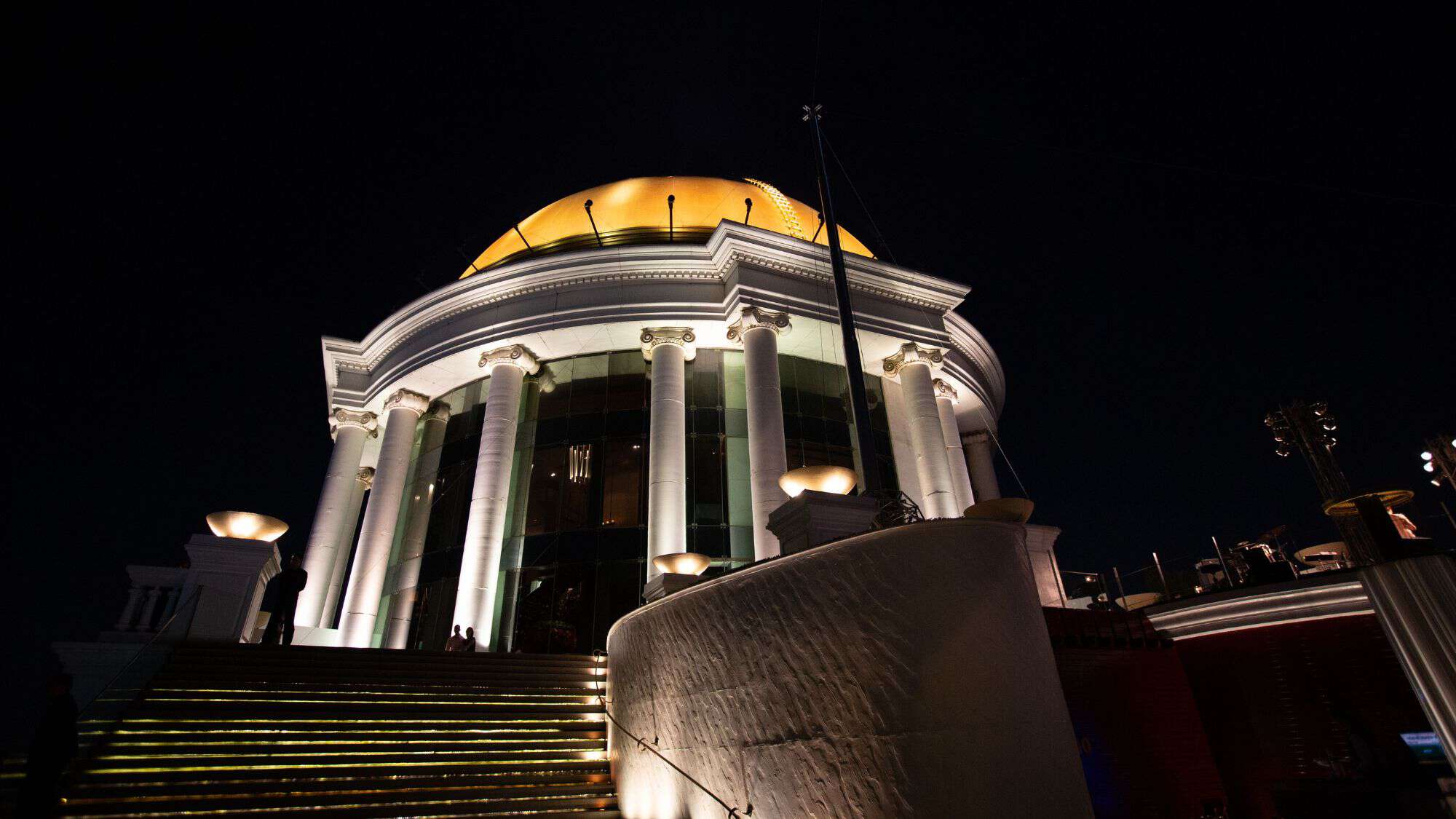
Bangkok is a city of extremes, famous for its ornate shrines, vibrant street life, and legendary nightlife that draws backpackers and luxury travelers alike. It is the most visited city in the world, welcoming over 22 million international visitors annually, which inevitably puts a massive strain on its infrastructure.
Locals frequently complain about the legendary traffic jams, where a short commute can turn into a multi-hour ordeal, and the thick smog that sometimes blankets the skyline during the dry season.
The popular Khao San Road, once a backpacker haven, is now often viewed by residents as a noisy, commercialized strip that bears little resemblance to authentic Thai culture.
The heat and humidity can be stifling, with average temperatures rarely dropping below 80°F, making walking around the concrete jungle exhausting for the unacclimatized. And while the Grand Palace is undeniably majestic, the crowds can be so dense that it is hard to move, let alone appreciate the intricate craftsmanship of the Emerald Buddha.
Exploring the city by canal boat or taking the Skytrain can alleviate the traffic woes, but many residents will tell you that the true charm of Thailand is found in the provinces, far away from the chaotic capital.
Santorini, Greece
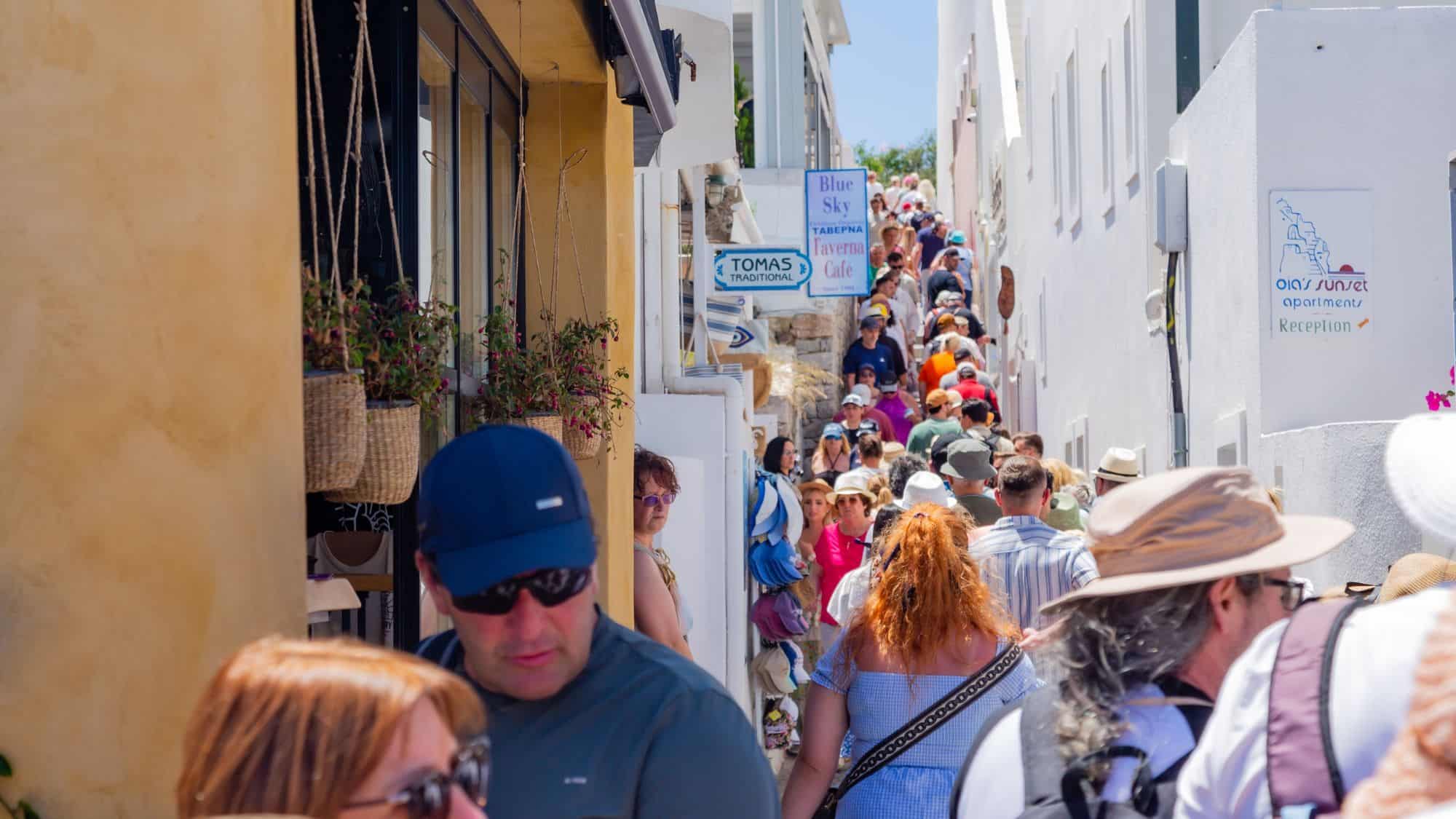
The image of Santorini is iconic: whitewashed buildings with blue domes perched on cliffs overlooking the sparkling Aegean Sea, the very definition of a Greek island paradise.
This fame, however, has led to extreme overcrowding, particularly in the town of Oia, where the narrow pathways become gridlocked with sunset-seekers every evening. In fact, during the peak summer months, the island hosts thousands of cruise ship passengers daily, overwhelming the local infrastructure and making simple tasks like finding a dinner table a logistical nightmare.
Locals often lament that the island has lost its traditional rhythm, becoming a beautiful backdrop for social media posts rather than a living, breathing community.
The reality of visiting involves battling high prices and steep terrain, with many hotels charging premium rates for rooms that are essentially caves with little privacy. And the famous sunset view is often blocked by a sea of smartphones, detracting from what should be a serene natural spectacle.
Furthermore, the island’s water supply is under immense pressure, as it relies heavily on desalination plants to cater to the massive influx of tourists.
While the volcanic caldera is geologically fascinating (the result of a massive eruption around 1600 BCE), locals suggest visiting in the shoulder seasons of April or October to experience a hint of the tranquility that made the island famous in the first place.
Dublin, Ireland
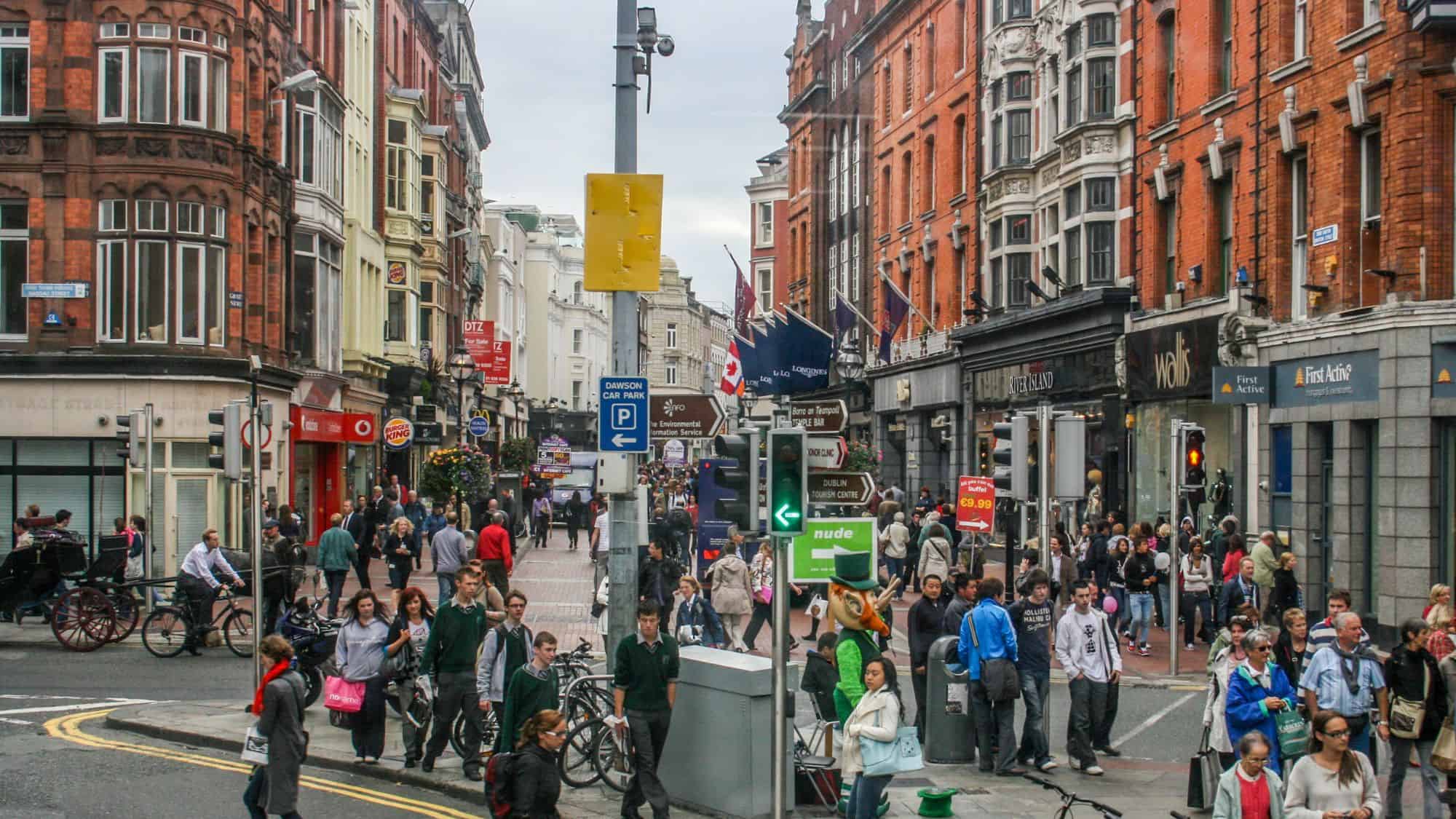
Dublin is renowned for its literary history, friendly pubs, and deep cultural heritage, attracting visitors keen to explore the home of Joyce, Yeats, and Guinness.
The Temple Bar district is usually the first stop for many, famous for its cobblestone streets and lively atmosphere, but locals generally steer clear of this “cultural quarter.” They know it as a hub for overpriced pints (often costing significantly more than in pubs just a few blocks away) and rowdy bachelor parties that have little to do with authentic Irish pub culture.
And the cost of living and visiting has skyrocketed, with hotel prices in the city center reaching some of the highest levels in Europe.
Beyond the expense, the city center can feel incredibly congested, with narrow streets struggling to accommodate the volume of pedestrians and buses. While the Book of Kells at Trinity College is a treasure from the 9th century, the long lines and brief viewing time can leave some feeling short-changed.
Instead, Dubliners will tell you that the real soul of the city is found in neighborhood pubs in places like Stoneybatter or by taking the DART train along the coast to villages like Howth.
Amsterdam, Netherlands
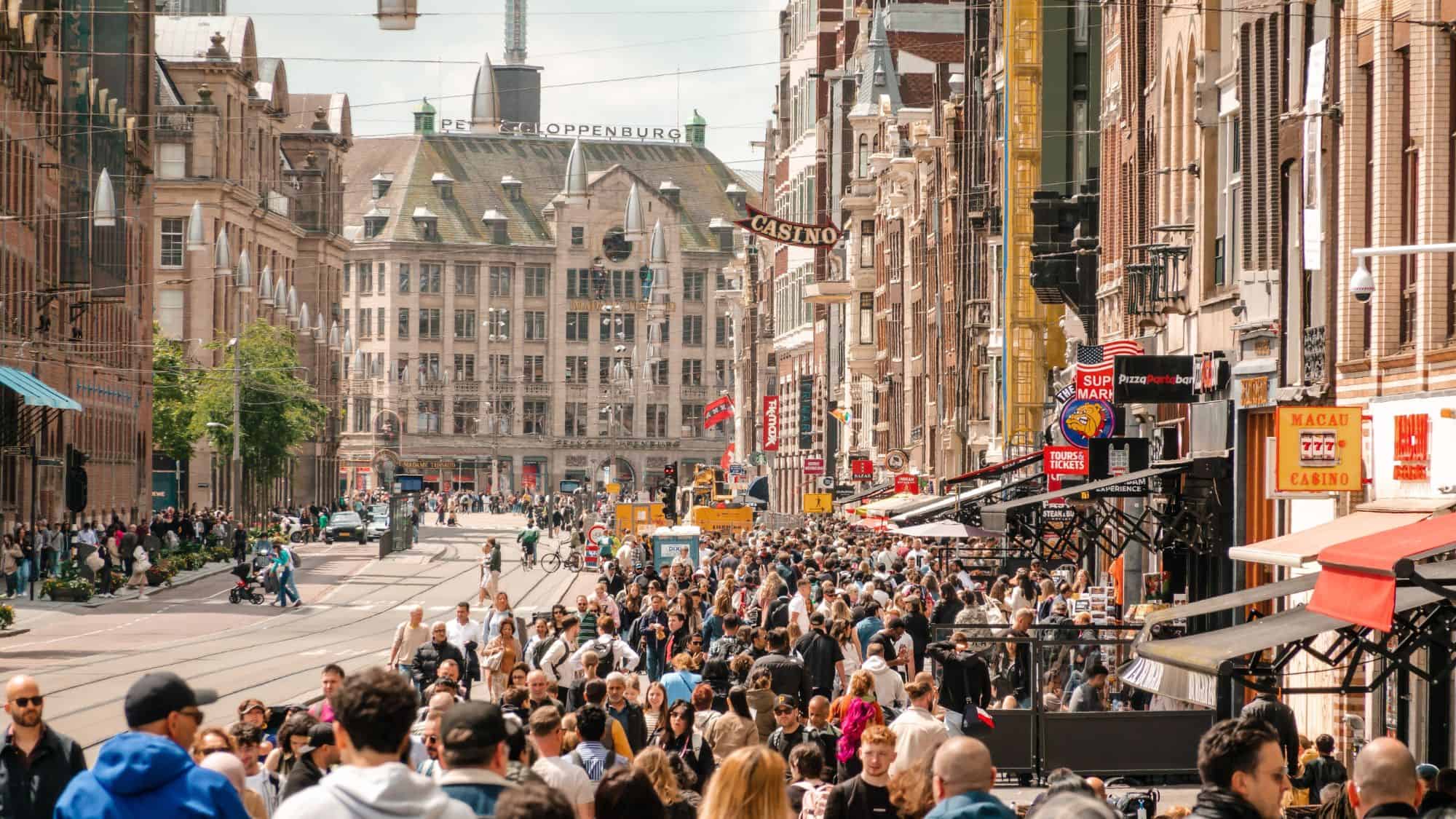
Amsterdam is famous for its artistic heritage, elaborate canal system, and narrow houses with gabled facades, a legacy of the city’s 17th-century Golden Age. However, the city center, particularly the Red Light District and the area around Dam Square, has become so overrun with tourists that the municipality has launched campaigns to actively discourage nuisance visitors.
Locals express frustration with the constant stream of stag parties and the smell of cannabis that permeates the crowded streets, which distracts from the city’s rich history and livability.
The “I Amsterdam” sign was even removed from Museumplein because it was drawing too large a crowd, symbolizing the city’s struggle with its own popularity. And the Anne Frank House is a profound historical site, but tickets sell out months in advance, leaving many disappointed or stuck in long standby lines.
Cyclists, who rule the roads here, often find themselves dodging bewildered tourists walking in bike lanes, creating dangerous situations and flaring tempers.
Residents often prefer the quieter neighborhoods like De Pijp or Amsterdam Noord, where the canals are just as beautiful but the pace is slower.
San Francisco, California
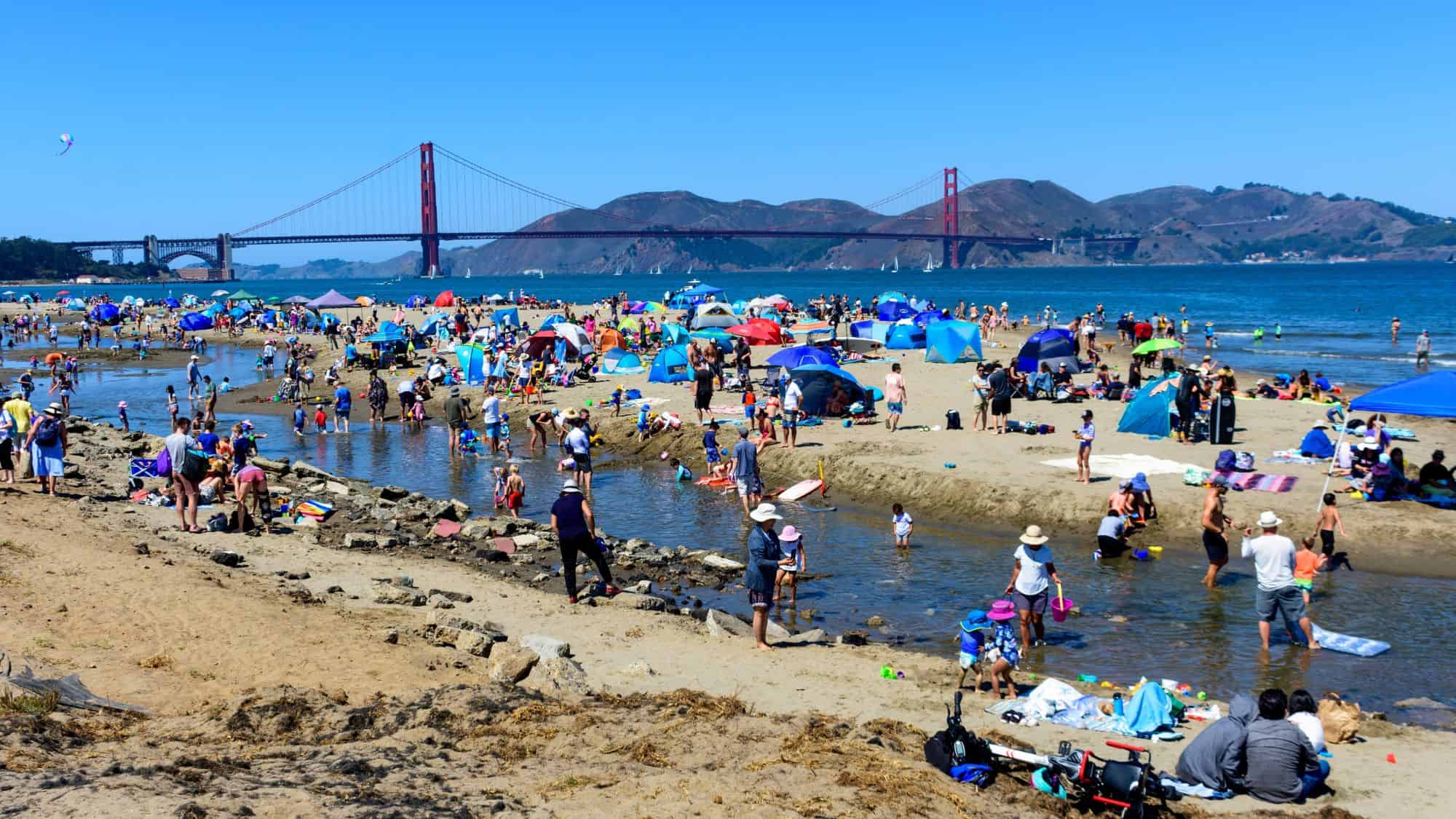
San Francisco is celebrated for its dramatic fog, steep rolling hills, and an eclectic mix of Victorian architecture and modern innovation.
Yet iconic spots like Fisherman’s Wharf are often cited by locals as the ultimate tourist traps, filled with overpriced souvenir shops and mediocre seafood restaurants that prey on first-time visitors. The area is often crowded and lacks the genuine character found in the city’s diverse neighborhoods, feeling more like an outdoor mall than a historic port.
Furthermore, the city struggles with visible social issues, including homelessness, which can be confronting for visitors expecting the pristine city often depicted in movies.
Riding a cable car is a bucket-list item, but with a single ride costing more than expected and lines that can stretch for over an hour at the turnarounds, it often tests one’s patience. And the Golden Gate Bridge is undeniably spectacular, spanning 1.7 miles across the strait, but it is often shrouded in “Karl the Fog,” obscuring the view entirely even in summer.
Locals tend to hang out in the Mission District for its burritos and murals, or Golden Gate Park, which is actually 20% larger than New York’s Central Park.
They know that the real San Francisco is found in its parks, coffee shops, and distinct microclimates, not on the crowded piers of the waterfront.
Barcelona, Spain
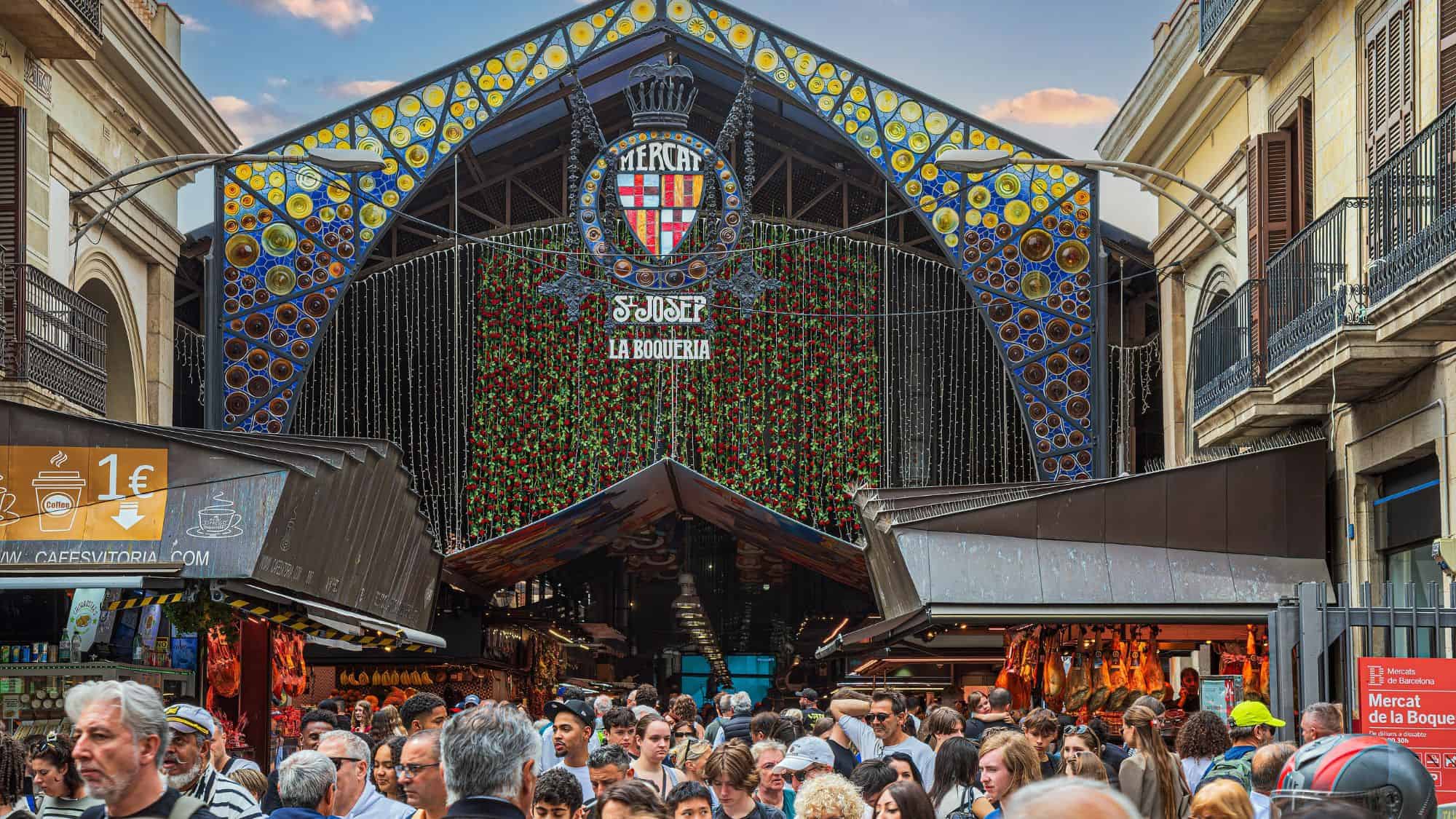
Barcelona is a city of architectural marvels, most notably the Sagrada Familia and other whimsical creations by Antoni Gaudi. It attracts millions of visitors who come to admire the Modernist landmarks and enjoy the Mediterranean lifestyle, but this popularity has sparked significant backlash from residents.
Anti-tourism graffiti is not uncommon, as locals feel pushed out of their neighborhoods by rising rents and the conversion of apartments into short-term vacation rentals.
Las Ramblas, the city’s most famous street, is often avoided by locals entirely due to the density of crowds, overpriced cafes, and the prevalence of pickpockets targeting distracted tourists.
The Sagrada Familia, while a masterpiece that has been under construction since 1882, requires booking well in advance, and the interior can feel more like a busy train station than a place of worship during peak hours. Park Guell is another Gaudi gem, but access is now regulated with ticketed entry to manage the overwhelming number of visitors.
Residents often suggest exploring the Gracia neighborhood, which retains a village-like feel with its plazas and independent shops, to see how locals actually live. And understanding the local frustration with overcrowding helps visitors be more respectful and perhaps seek out the city’s incredible cultural offerings beyond the top three guidebook hits.
Tokyo, Japan (Specifically Shibuya Crossing)
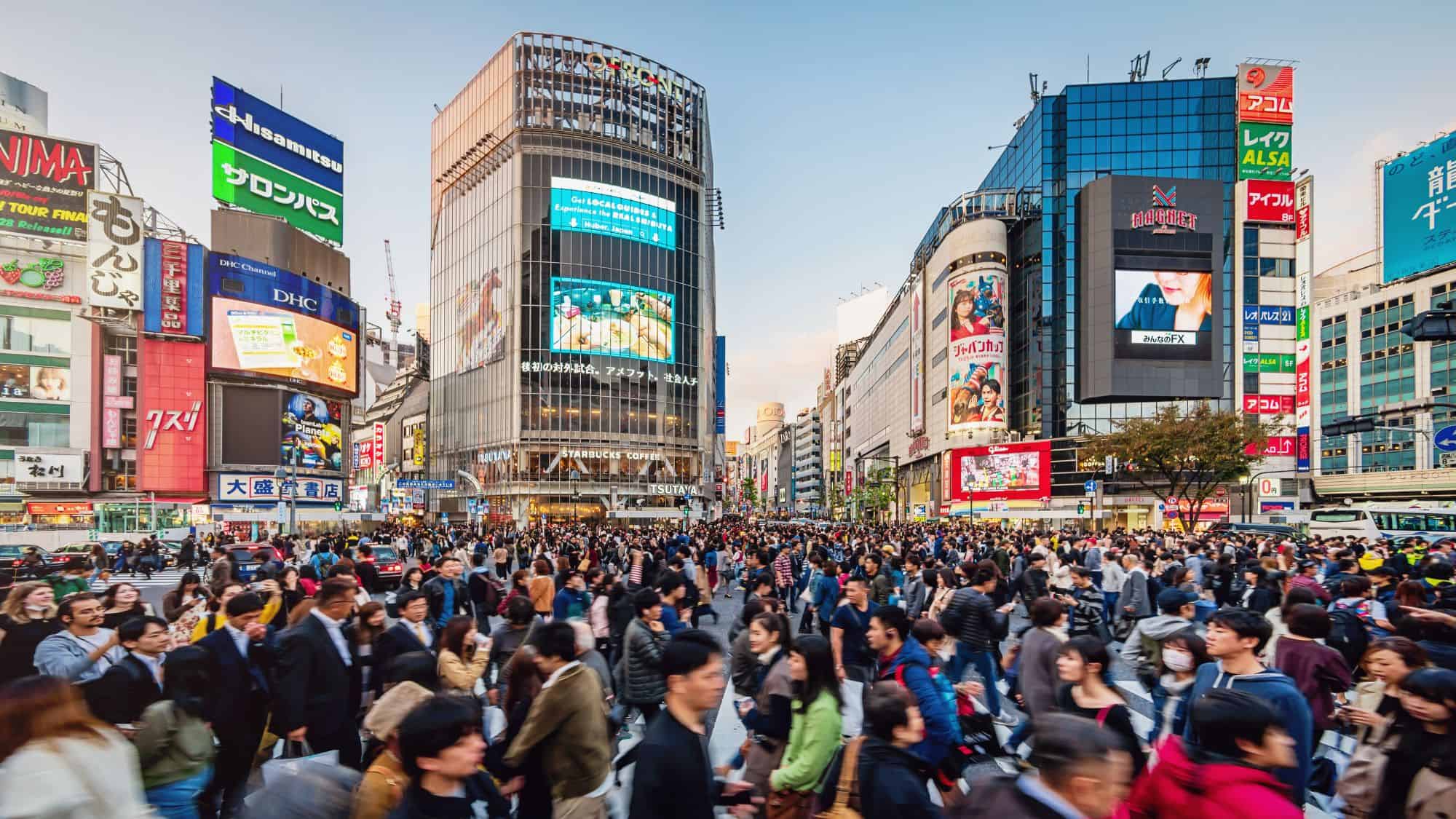
Shibuya Crossing is often plastered across travel guides as the embodiment of modern Tokyo. It’s a frenetic, neon-lit intersection where up to 3,000 people cross at a single light change.
For many tourists, scrambling across the scramble is a defining moment of their trip, usually documented with a video from the middle of the street.
For locals, however, it is simply a chaotic obstacle between the train station and their office or home, a place to navigate as quickly as possible. And the surrounding area is packed with chain stores and loud advertisements, lacking the quiet refinement and depth that characterizes much of Japanese culture.
While the energy is undeniable, the constant crowds can be exhausting, and finding a quiet place to eat or rest nearby is a challenge. The statue of Hachiko, the loyal dog, is a popular meeting point, but it is perpetually surrounded by a wall of people waiting for friends or taking photos.
Tokyo is a massive metropolis with 23 special wards, and residents often prefer the laid-back atmosphere of neighborhoods like Shimokitazawa or Yanaka, which offer a glimpse of old Tokyo.
Hanoi, Vietnam
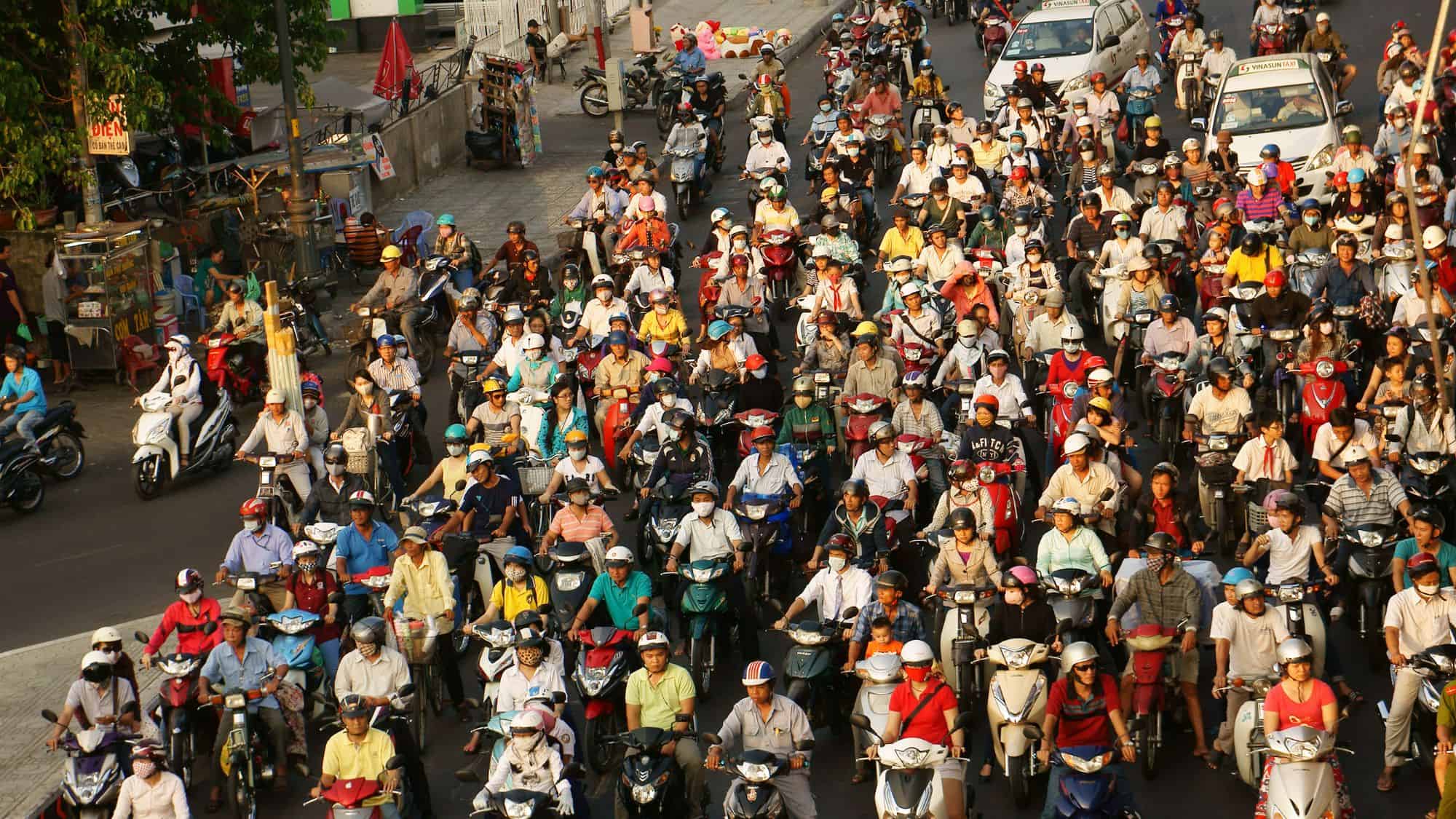
Hanoi is a city of incredible history and culinary depth, known for its centuries-old architecture and rich culture with influences from Southeast Asia, China, and France.
The Old Quarter is the main draw, a maze of 36 streets originally named after the goods sold there, but today it is an intense assault of honking motorbikes, street vendors, and tourists. Crossing the street here is famously described as an extreme sport, as traffic laws appear to be mere suggestions, which can be terrifying for the uninitiated.
The pollution levels can also be quite high, with the Air Quality Index often reaching unhealthy levels, forcing residents and savvy visitors to wear masks.
The sidewalks are also frequently blocked by parked scooters and plastic stools from street food vendors, forcing pedestrians to walk in the active roadway. While the street food, such as Pho and Bun Cha, is world-class and incredibly cheap, the constant noise and lack of personal space can wear you down quickly.
Locals often escape the frantic energy of the center by visiting the West Lake (Tay Ho) area, which is more spacious and relaxed.
Like Our Content? Follow Us On MSN (or click the Follow Button above) to see more from Traveling In Focus.