Found By Accident contains affiliate links and is a member of the Amazon Services LLC Associates Program. If you make a purchase using one of the Amazon links (or other affiliate links), we may receive compensation at no extra cost to you. See our disclosure policy for more information.
12 Cities In South America That Blend History, Food, And Modern Charm
Do you chase places that feel layered? Streets that whisper older stories while the restaurant across the square pours a glass that belongs to right now? This is where South America shines. You move from colonial plazas to contemporary galleries in a few steps, then end the night with something slow-cooked or ice-cold that locals swear by.
The continent’s big hitters hand you contrasts at every turn. Think Andean skylines and sea cliffs, cobblestones and cable cars, grand theaters and street art that refuses to be subtle. You get architecture with personality, music that follows you down the block, and kitchens that bend tradition without breaking it. That balance matters. You want character, not a museum. You want flavor, not only a menu.
Each city below pairs a grounded historic core with modern energy and a table worth lingering over. So pack comfortable shoes and save room for dessert. And let your schedule stretch a little longer than planned because the best corner often appears one block after you promised yourself you were heading home.
Buenos Aires, Argentina
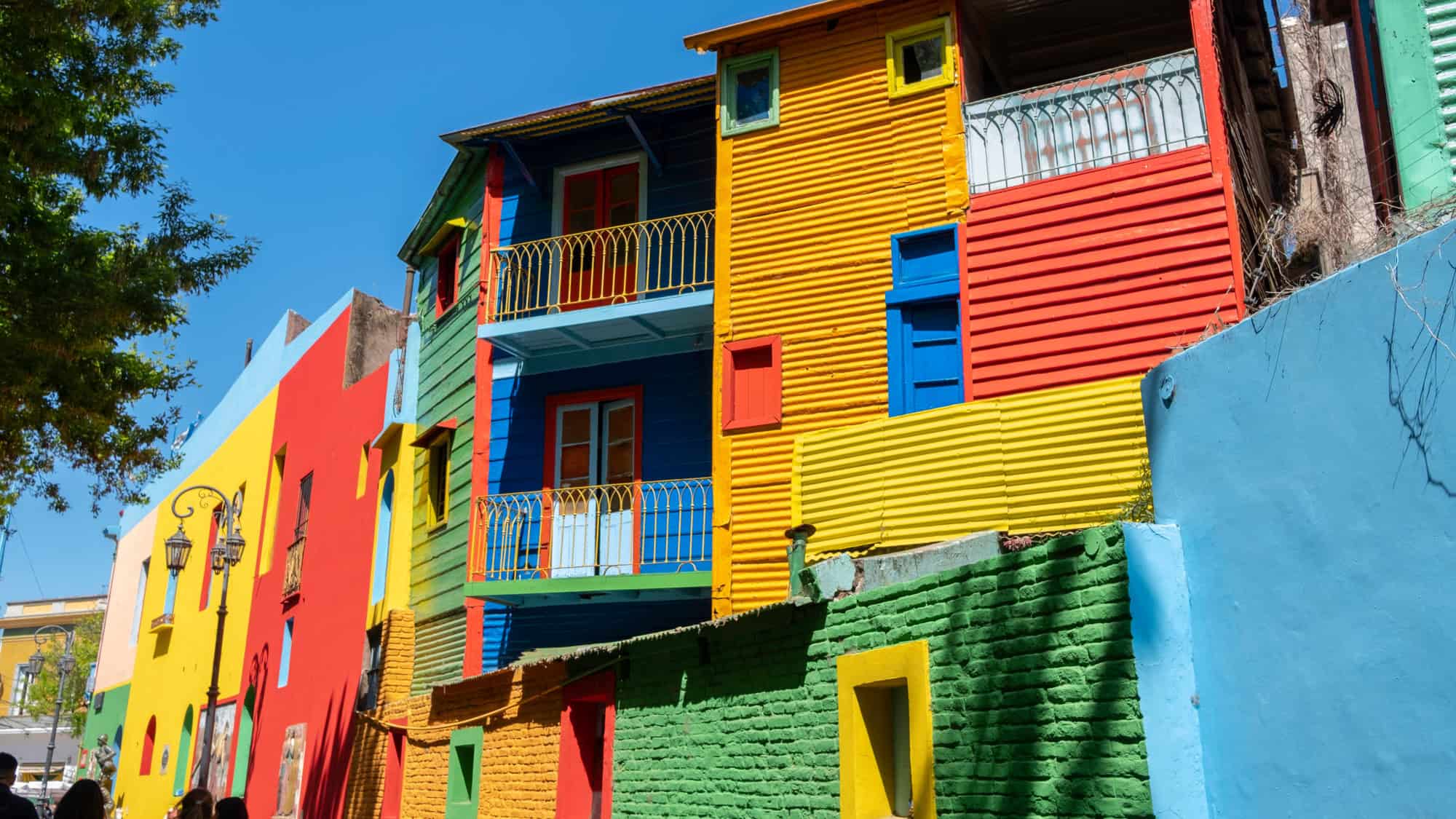
Let’s start with a city that treats daily life like an art form. Buenos Aires sets the tone with European-style boulevards and neighborhoods that wear their age proudly. San Telmo’s cobbles lead you past antique stalls and tango buskers.
La Boca brightens your camera roll with painted corrugated facades along Caminito. For a quick reality check, step into Teatro Colón. The opera house opened in 1908 and ranks among the world’s finest for acoustics.
For food, the old-world polish meets modern plate in Palermo, where contemporary kitchens share the stage with traditional parrillas. You will eat steak, sure, but you will also find vegetable-forward menus and natural wine bars tucked behind leafy sidewalks. Don’t forget to sip at Cafe Tortoni, founded in 1858, then chase down a medialuna that feels like a small miracle.
Between bites, browse MALBA for Latin American art or wander Recoleta Cemetery, a sculpture garden of marble angels where Eva Perón rests.
Lima, Peru

Lima sits on Pacific cliffs that make sunsets feel like a staged production, yet the real star is the mix on your plate. The historic center is a UNESCO World Heritage Site, and you see the Spanish colonial footprint in grand plazas and baroque balconies. Then you pivot to neighborhoods like Barranco for contemporary galleries and a bohemian stroll.
Food here is not a trend. It is identity. Lima’s dining scene draws from Andean, Spanish, Asian, and African influences, which explains why ceviche tastes so bright and why a simple causa can make you rethink potatoes. The city’s top tables earned global attention in recent years, which translates to long waitlists and long memories of the meal you finally score.
Keep things balanced with a walk along the Malecon in Miraflores or a peek at the Larco Museum’s pre-Columbian collection. For the glass, you have pisco sours that deliver citrus and foam in one swift move. Just remember to save room for picarones, the sweet potato doughnuts that somehow convince you they count as a vegetable.
Quito, Ecuador

Quito does altitude with style, standing at roughly 9,350 feet. The historic center is among the best preserved in Latin America and earned UNESCO status in 1978. You’ll read that date and nod because every plaza, convent, and carved doorway makes the case in about three minutes.
Step inside the Church of the Society of Jesus for gold leaf that borders on audacious. Then switch gears in La Floresta, where mural-lined streets, indie cinemas, and small restaurants feel current. If you want perspective, ride the TeleferiQo up the slopes of Pichincha to views that run to the horizon.
Quito’s plates blend mountain ingredients with modern technique, so you might pair roasted corn, local cheese, and tree tomato with a glass of canelazo on a cool evening. The rhythm of the day is slower than a capital would suggest, but that just leaves extra time for coffee from Ecuador’s highlands and a chocolate tasting that turns you into a person who suddenly has opinions about cacao percentages.
Salvador, Brazil
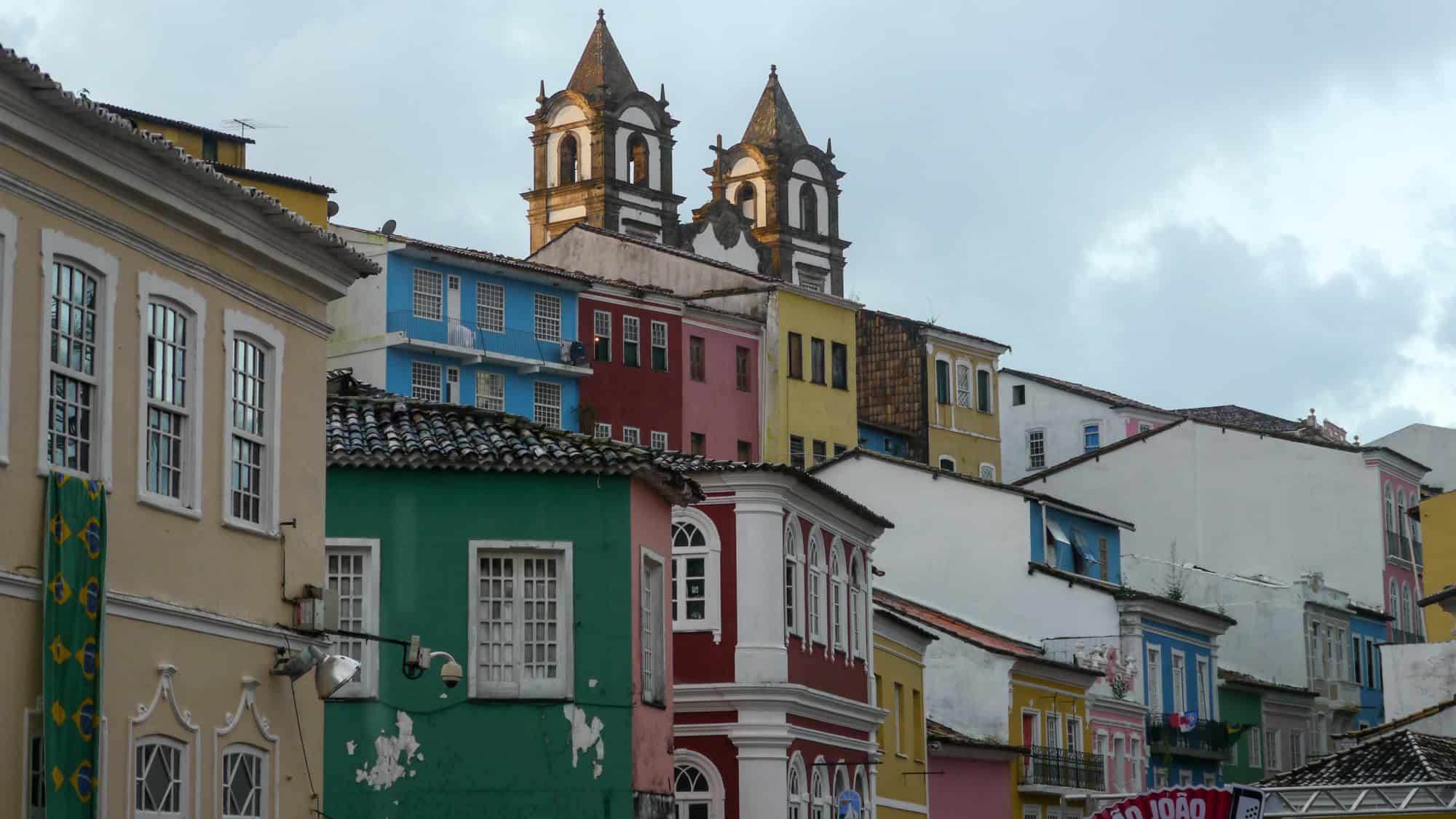
You feel Salvador in your soul before you even finish wandering your first block. The historic center, Pelourinho, layers Portuguese colonial facades with music drifting from open doors. The Old Town’s colorful scenery and cobbles earned UNESCO recognition for the Historic Centre of Salvador de Bahia.
The city’s Afro-Brazilian heritage shapes daily life, from Candomble ceremonies to capoeira circles that turn plazas into open-air studios. Hop the Elevador Lacerda, which has linked the upper and lower city since the 1870s, for bay views that reset your orientation. Lunch might be moqueca simmered in dende oil or acaraje fried crisp by a baiana who knows exactly how much pepper you can handle.
Then pivot to the beach. You have stretches along Itapua and Porto da Barra that locals debate with friendly intensity. Modern Salvador also brings galleries, contemporary music, and young chefs who remix classics without losing the soul of the recipe. By dusk, the city hums at a comfortable pitch.
Cusco, Peru
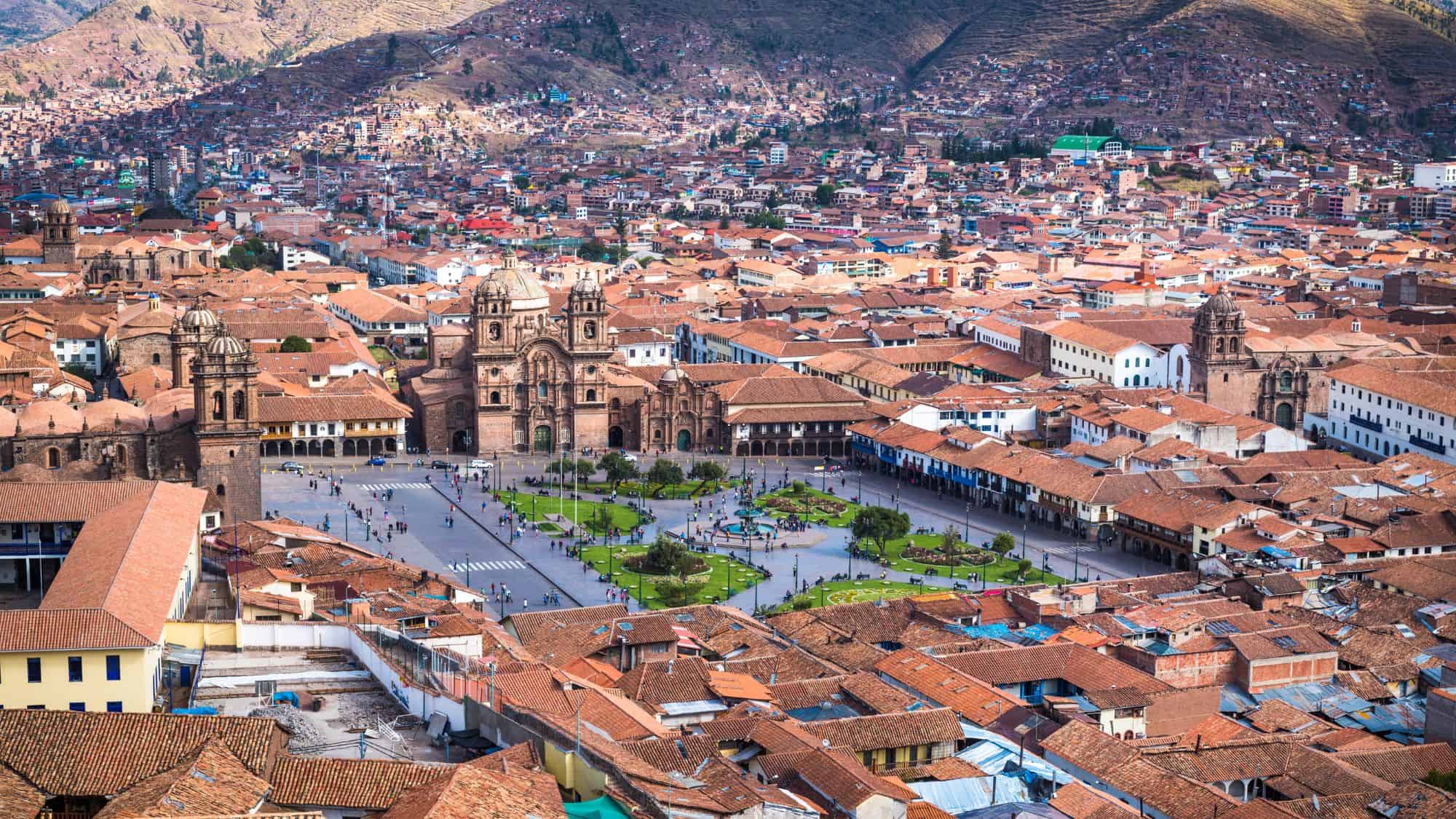
Cusco holds history in the stone itself; you trace Inca walls that fit together so precisely that a piece of paper feels like too much space. But the city sits around 11,150 feet, so you pace yourself. Start at Qorikancha, once the Inca sun temple, then step into the Santo Domingo convent built over it. That layering tells the story.
Sacsayhuaman guards the ridge above town with massive zigzag ramparts. Down below, plazas and alleys lead to small museums and quiet courtyards. Food in Cusco blends Andean staples with contemporary style. You see quinoa used in smart ways and trout from nearby lakes sharing plates with native tubers. The scene feels modern without losing the soul of the pantry.
Drink coca tea if you need a gentle altitude ally. For an afternoon break, the San Pedro Market is a reliable loop for cheese, fruit, and bread that still carries oven heat. And if you want to stretch your legs, short walks around San Blas reward you with studios and views that make you reconsider your return flight.
Cartagena, Colombia

Cartagena gives you a walled city wrapped in Caribbean light. The fortifications and coral stone streets earned UNESCO status in 1984, and the ramparts still catch the sea breeze while you people-watch above the waves.
Inside the walls, plazas overflow with bougainvillea and church bells that keep a friendly schedule. Castillo San Felipe de Barajas stands outside the old town and reminds you that Cartagena once guarded serious treasure routes.
But today’s riches arrive on plates. The food marries Afro-Caribbean traditions with modern Colombian ideas, so coconut rice shares space with fresh seafood and cooling fruit. You will crave limonada de coco after the first sip. If you need a quiet corner, look for a courtyard cafe, then lose track of time while the city swaps day heat for night music.
Medellin, Colombia

Medellin’s nickname, City of Eternal Spring, is earned once you feel mild temperatures around 72°F year-round. You glide over hills on the Metrocable system, which links neighborhoods to the metro and makes the daily commute a view.
Plaza Botero sets the tone downtown with larger-than-life sculptures that are impossible to ignore. For a change of scene, ride the outdoor escalators into Comuna 13 to see murals and community spaces that speak to resilience. The modern side shows up in innovation districts and parks that double as living rooms.
Food keeps pace. You can hunt down arepas crisp from the griddle or lean into restaurants that lighten paisa staples. Coffee deserves a dedicated hour because Antioquia’s beans are a point of pride. End a day with sunset from a hillside bar and the lights spreading across the valley.
Santiago, Chile

The Andes frame the skyline of Santiago, and the city slips between historic plazas and glass towers with ease. Start with Plaza de Armas and the neoclassical Metropolitan Cathedral, then ride up Cerro San Cristóbal for views that recalibrate your map. The funicular dates to 1925, which counts as a classic in any playbook.
Food neighborhoods like Lastarria and Bellavista keep your curiosity moving with small plates, pisco cocktails, and patios that beg for lingering. And wine culture is not an accessory here. The Maipo Valley edges the city, and day trips hand you Cabernet Sauvignon and crisp Sauvignon Blanc that taste better after fresh air.
Museums deliver the details, from the Museum of Memory to the Chilean Museum of Pre-Columbian Art. Modern architecture adds clean lines and reflective glass to the mix.
Arequipa, Peru
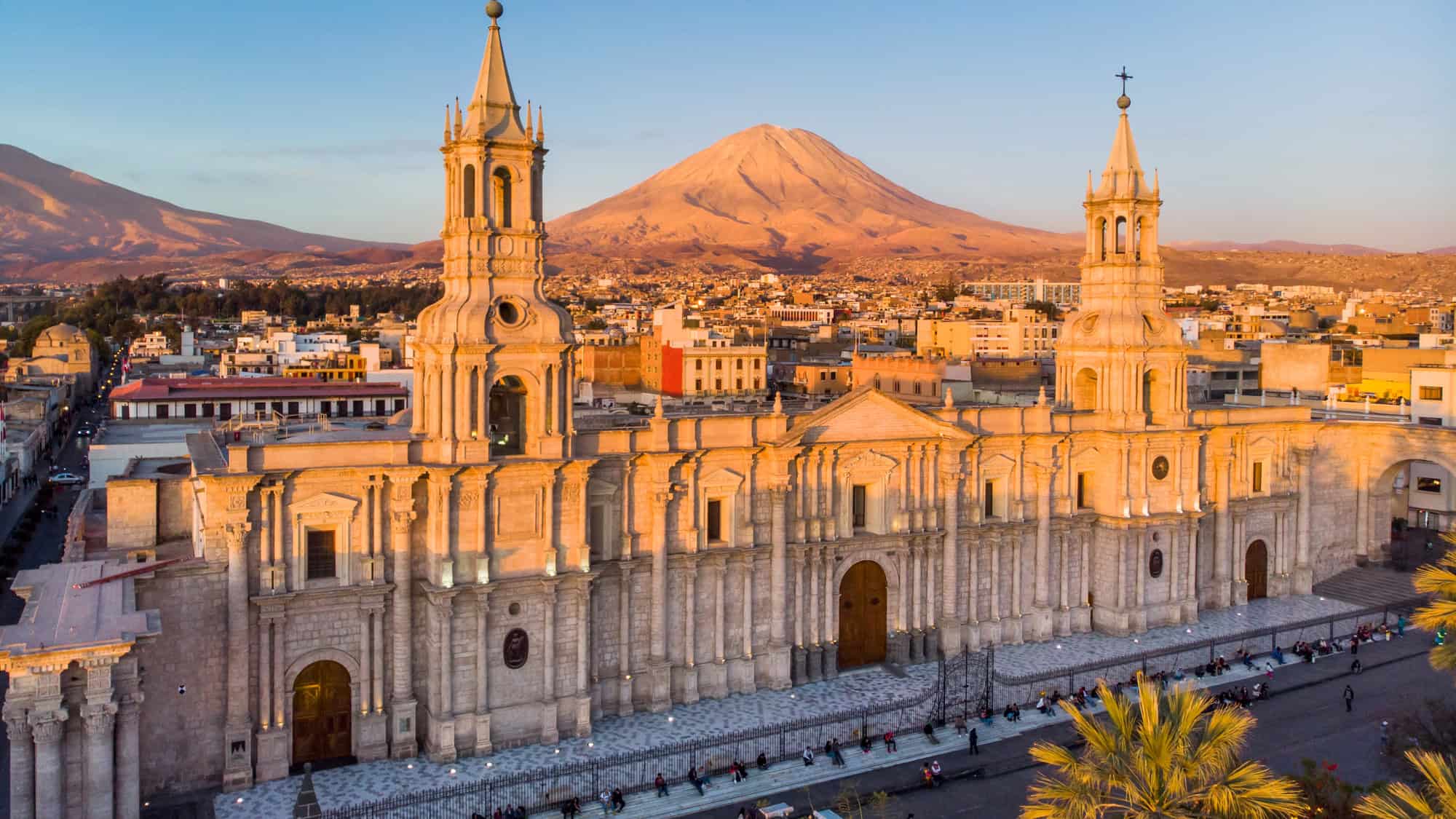
Arequipa earns its nickname, the White City, from sillar, a volcanic stone that gives churches and mansions a luminous glow. The historic center is a UNESCO World Heritage Site, which you feel while wandering through the cloisters and courtyards that soften the highland sun.
Misti Volcano watches from the horizon like a quiet neighbor. And the Santa Catalina Monastery, founded in 1580, opens a maze of painted alleys and small cells that suddenly expand into bright plazas.
Traditional picanterias (eateries) serve hearty midday meals, and you also find modern restaurants that reinterpret rocoto and river shrimp with lighter touches. Save a slot for queso helado, a local frozen dessert that reads like cinnamon ice cream.
If you want altitude views without the effort, rooftop terraces deliver church spires at golden hour.
Mendoza, Argentina

Come to Mendoza for wine, then discover an entire city built around water and light. Tree-lined avenues shade your steps thanks to acequias, the irrigation channels that date to colonial times. And Andean snowmelt keeps the system flowing, which means plazas feel green even in a dry climate.
Vineyards stretch toward the mountains, and high-altitude sites deliver Malbec with structure and a view that interrupts your tasting notes. Bodegas have embraced modern architecture and art, so touring feels like a gallery hop that happens to pour.
In town, wine bars are casual classrooms. You learn quickly, then forget to be formal because the setting is relaxed. Food leans toward the grill, but modern kitchens balance the lineup with salads and seasonal vegetables. If you time it right, the Vendimia harvest festival adds parades and pageantry.
Montevideo, Uruguay

Montevideo sets you up for a coastal pause that still carries capital-city weight. Art Deco, neoclassical, and colonial buildings mix across Ciudad Vieja. The Mercado del Puerto, opened in the 19th century, remains a temple to grilled meat and social lunch.
The Rambla, a waterfront promenade that runs for miles, becomes your default route for sunrise jogs and sunset walks. Beaches like Pocitos sit a quick taxi ride away, which is the perfect level of effort on a warm day.
The city’s cultural calendar is steady. You can slip into a theater, browse a weekend market, or follow live music by ear. Uruguayan wine gets your attention, from Tannat to crisp whites that match a plate of fresh fish. And coffee shops serve medialunas that argue for a second round.
Cuenca, Ecuador
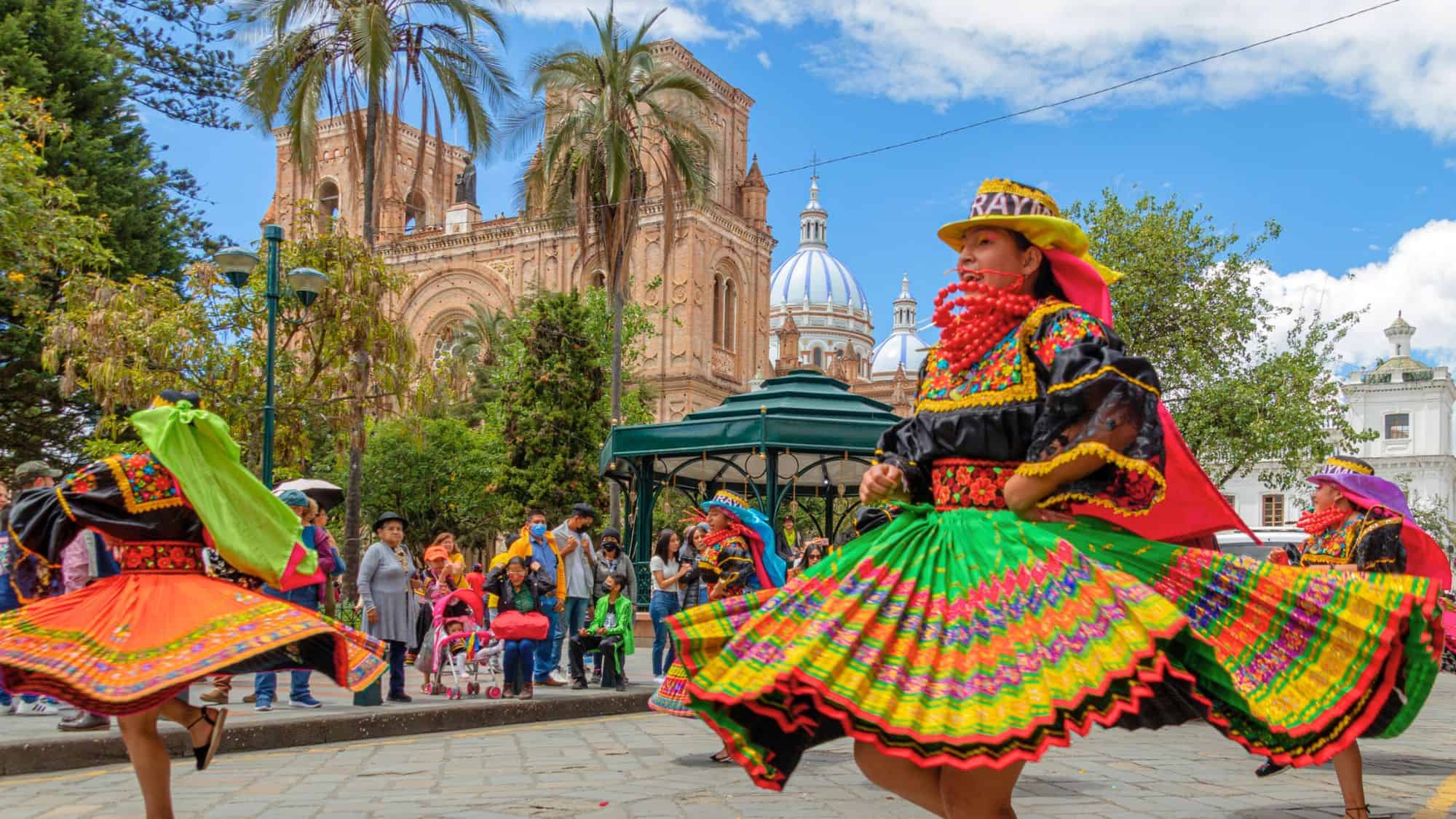
Cuenca’s historic center is a UNESCO World Heritage Site, and the layout invites walking at a thoughtful pace. Blue domes of the Cathedral of the Immaculate Conception guide your sense of direction. The city sits along the Tomebamba River, with stone stairways that drop to grassy banks where you pause and do nothing on purpose.
Workshops and boutiques highlight traditional crafts, including the toquilla straw hats that the world mislabels as Panama hats. You meet weavers who explain grades and finesse, and you suddenly care about the tightness of a braid.
Cafe culture is strong, with roasters showcasing beans from nearby valleys. And food ranges from market stalls to contemporary kitchens that treat local trout and corn with respect. Then, museums fill in the history, from pre-Hispanic ceramics to colonial art. You find yourself adding days, then pretending it was the plan all along.
Like Our Content? Follow Us On MSN (or click the Follow Button above) to see more from Traveling In Focus.