
Found By Accident contains affiliate links and is a member of the Amazon Services LLC Associates Program. If you make a purchase using one of the Amazon links (or other affiliate links), we may receive compensation at no extra cost to you. See our disclosure policy for more information.
14 Beautiful Mexican Towns Where The Scenery Is Stunning — But Danger Lurks
Mexico is home to stunning colonial architecture, world-class beaches, and vibrant cultural traditions that draw millions of visitors every year. From the turquoise waters of the Caribbean coast to the rugged beauty of the Sierra Madre mountains, this country offers experiences that few destinations can match.
However, not all of Mexico’s beautiful cities remain safe for travelers. Rising crime rates, cartel activity, and violent incidents have made certain once-popular destinations far more dangerous than they were even just a few years ago.
The U.S. State Department has issued travel advisories for several Mexican states, anything from “exercise extreme caution” to “do not travel”, often due to kidnappings, armed robbery, and homicide rates that rival some of the most dangerous regions in the world.
While many parts of Mexico remain safe and welcoming, these cities have seen significant increases in violence that make them risky choices for travelers. Some were once beloved vacation spots, while others have long struggled with instability.
Puerto Vallarta
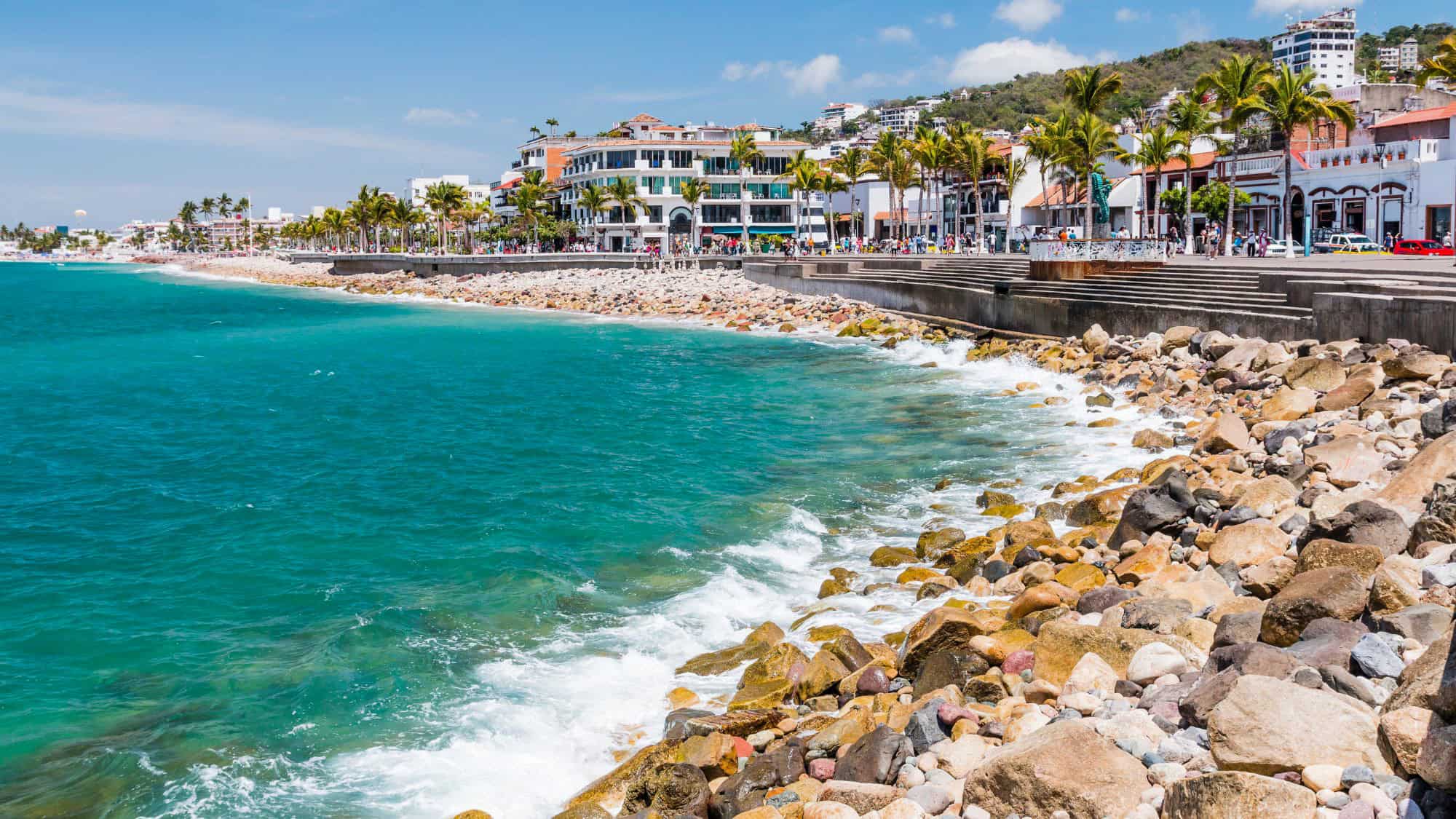
Puerto Vallarta sits along the Pacific coast in Jalisco state, famous for its golden beaches, cobblestone streets, and the romantic backdrop of the Sierra Madre mountains.
The Malecon, a seaside promenade stretching over a mile, has long been the heart of the city’s social scene, where locals and tourists mingle among street performers and open-air restaurants. And it has traditionally been considered one of Mexico’s safer resort cities, but recent activities have brought troubling changes.
Jalisco state, where Puerto Vallarta is located, has become a battleground for the Jalisco New Generation Cartel, one of Mexico’s most powerful and violent criminal organizations. While much of the cartel violence occurs in Guadalajara and rural areas, Puerto Vallarta has not been immune.
In 2023, the city recorded a homicide rate of approximately 11 per 100,000 residents, significantly higher than in previous years. Tourists have reported increases in petty crime, including pickpocketing and bag snatching, particularly in crowded beach areas and the Zona Romantica neighborhood.
In February of 2025, Mexican security forces killed the cartel boss. In retaliation, the cartel blocked roadways and lit fires, leading Americans to be told to “shelter in place” while airlines canceled flights and cruise ships rerouted stops.
Cancun
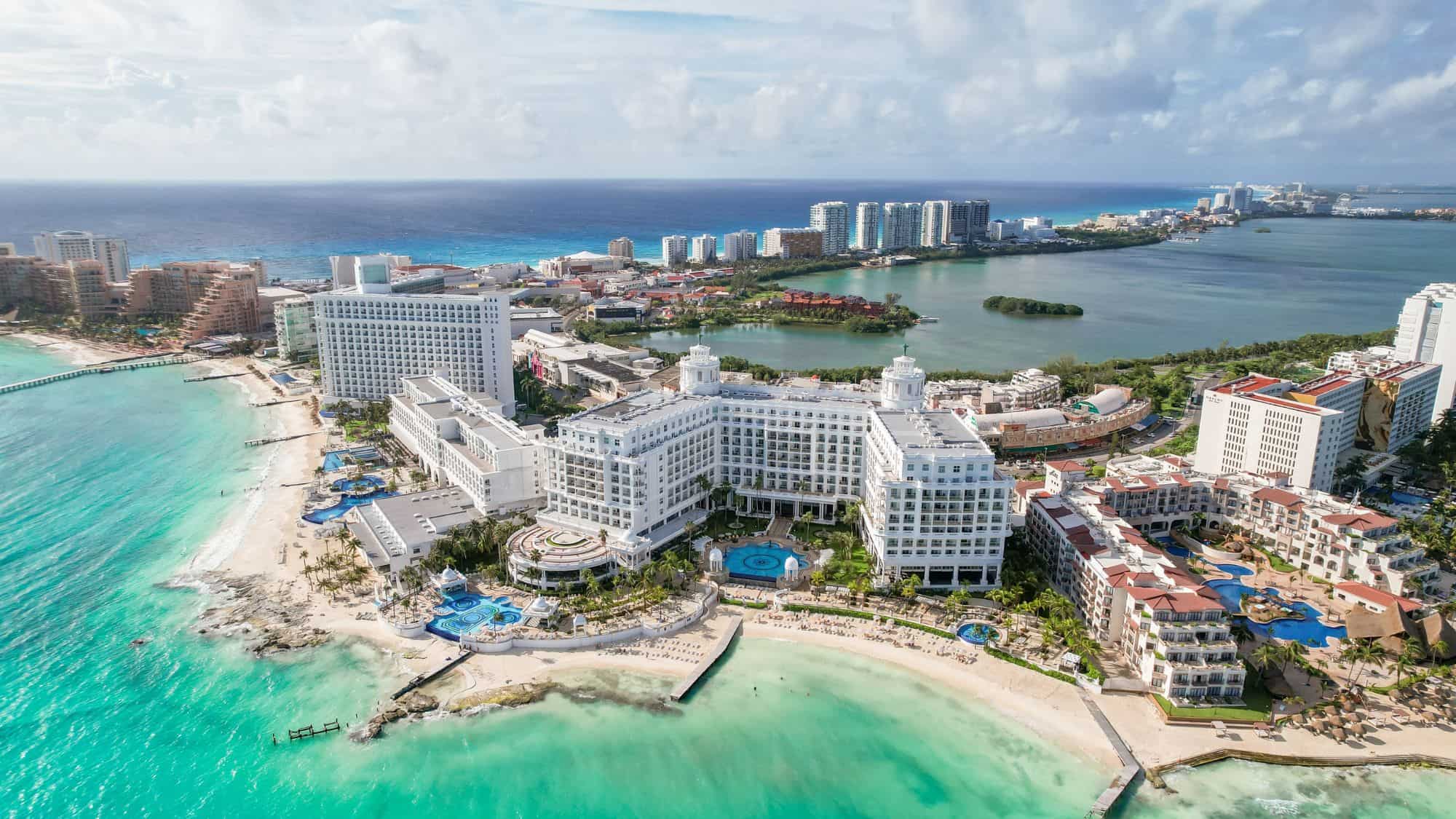
Cancun transformed from a small fishing village into Mexico’s premier beach destination over the past five decades, drawing more than six million international visitors annually to its white-sand beaches and crystal-clear Caribbean waters.
The Hotel Zone, a 14-mile-long strip of high-rise resorts, nightclubs, and restaurants, generates billions in tourism revenue each year. But despite its reputation as a safe, family-friendly destination, Cancun has experienced a sharp rise in violence that has shaken both locals and tourists.
Quintana Roo state, where Cancun is located, has seen turf wars between rival cartels competing for control of drug trafficking routes and local drug markets. In 2022, Cancun recorded 158 homicides, a rate of approximately 15 per 100,000 residents.
Several high-profile incidents have occurred in tourist areas, including shootings at beach clubs and restaurants that left both locals and visitors dead or injured. In November 2021, two tourists were killed in crossfire at a beachfront hotel, an event that sent shockwaves through the tourism industry.
The violence is often related to drug sales within the tourism sector, with cartels battling for control of the lucrative market that serves tourists looking for narcotics.
While most visitors to Cancun never encounter serious problems, the presence of organized crime and the potential for tourists to be caught in crossfire have made the city riskier than it once was.
Playa Del Carmen

Playa del Carmen sits about 40 miles south of Cancun along the Riviera Maya, offering a more laid-back alternative to its larger neighbor while still providing easy access to stunning beaches and the ancient Mayan ruins of Tulum.
The city’s Fifth Avenue, a pedestrian walkway lined with shops, restaurants, and bars, has become one of the most popular tourist corridors in Mexico.
However, Playa del Carmen has experienced a dramatic increase in violence that has made it one of the most dangerous cities on the Caribbean coast.
Between 2015 and 2022, Playa del Carmen’s homicide rate increased by more than 400%, driven primarily by cartel turf wars. The city recorded 143 homicides in 2022, giving it a rate of approximately 37 per 100,000 residents, well above the national average.
Several attacks have directly targeted tourists or occurred in tourist-heavy areas. In 2017, a shooting at the BPM electronic music festival left five people dead and 15 injured. In 2018, an explosion at a ferry terminal injured 25 people, including tourists from the United States and Canada.
While the beaches and resorts remain beautiful, the security situation has deteriorated to the point where many travelers are choosing alternative destinations along the coast.
Los Cabos
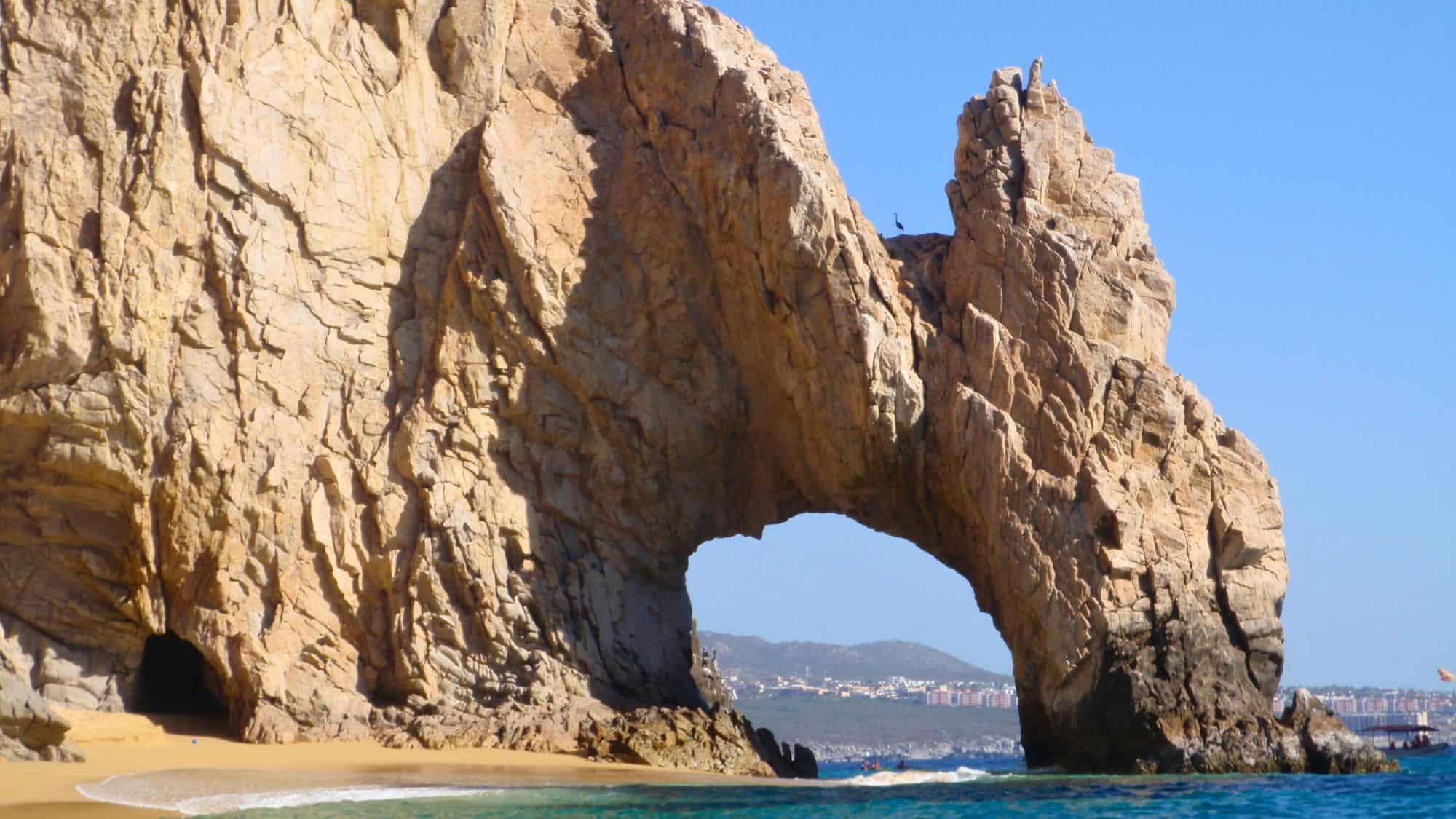
Los Cabos encompasses the twin cities of Cabo San Lucas and San Jose del Cabo at the southern tip of the Baja California Peninsula, where the Pacific Ocean meets the Sea of Cortez.
The dramatic rock formations at Land’s End and the world-class sport fishing have made Los Cabos one of Mexico’s most iconic destinations, particularly popular with American tourists. However, Baja California Sur, the state where Los Cabos is located, has seen a sharp increase in violent crime that has made the region far less safe than it once was.
In 2017, Los Cabos recorded 365 homicides, giving it a rate of 111 per 100,000 residents, making it one of the most violent cities in the world that year. While the homicide rate has decreased somewhat since then, violence remains a serious concern.
The Sinaloa Cartel and the Jalisco New Generation Cartel have fought brutal turf wars in Baja California Sur, with much of the violence concentrated in Los Cabos. Bodies have been found hanging from bridges, and shootouts have occurred in residential neighborhoods near tourist areas.
The Mexican government deployed federal forces to Los Cabos in response to the violence, and the homicide rate has improved, but the city remains far more dangerous than it was a decade ago.
Most of the violence is concentrated in areas away from the major resorts, but travelers should remain cautious. Avoid traveling outside of tourist zones after dark, and be aware that the security situation can change rapidly.
Veracruz
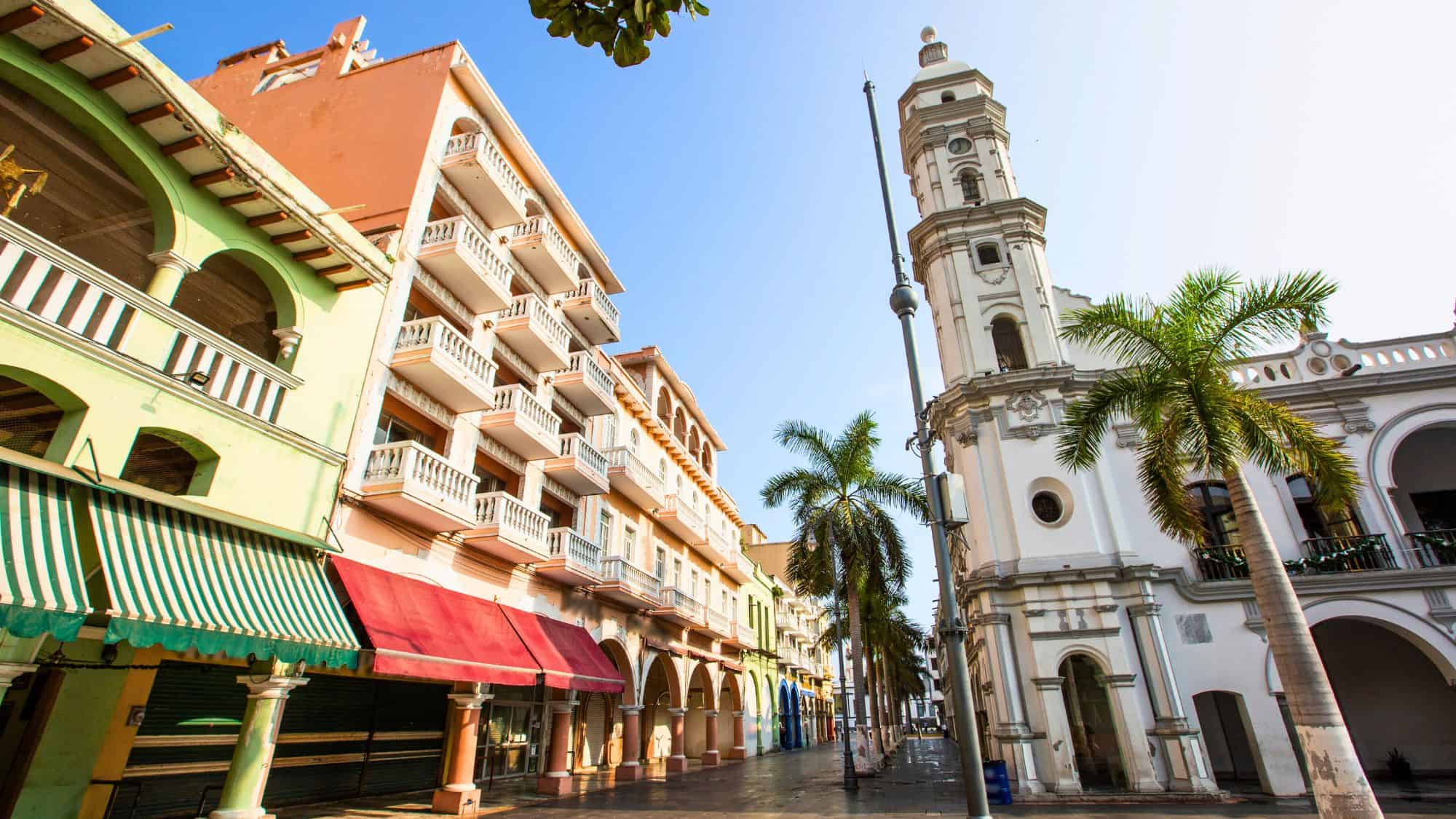
Veracruz is one of Mexico’s oldest cities, founded in 1519 by Spanish conquistador Hernan Cortes, and it remains the country’s most important Gulf Coast port.
The city’s historic center features colonial architecture, lively plazas, and a waterfront promenade that comes alive each evening with music and dancing. Veracruz has a rich Afro-Caribbean cultural heritage that sets it apart from much of Mexico, but it has also become one of the country’s most dangerous cities.
Veracruz state has been a major battleground for organized crime groups, with the Zetas cartel, the Jalisco New Generation Cartel, and the Gulf Cartel all vying for control of drug trafficking routes and extortion rackets.
The city of Veracruz recorded a homicide rate of approximately 25 per 100,000 residents in recent years, significantly higher than the national average. Kidnappings, carjackings, and armed robberies are common, and violence can erupt suddenly and without warning.
Journalists and activists have been particularly targeted, with dozens killed or disappeared in recent years. And while the city’s historic attractions and vibrant culture continue to draw some visitors, the security situation has made Veracruz a destination that most travelers should avoid.
Chihuahua
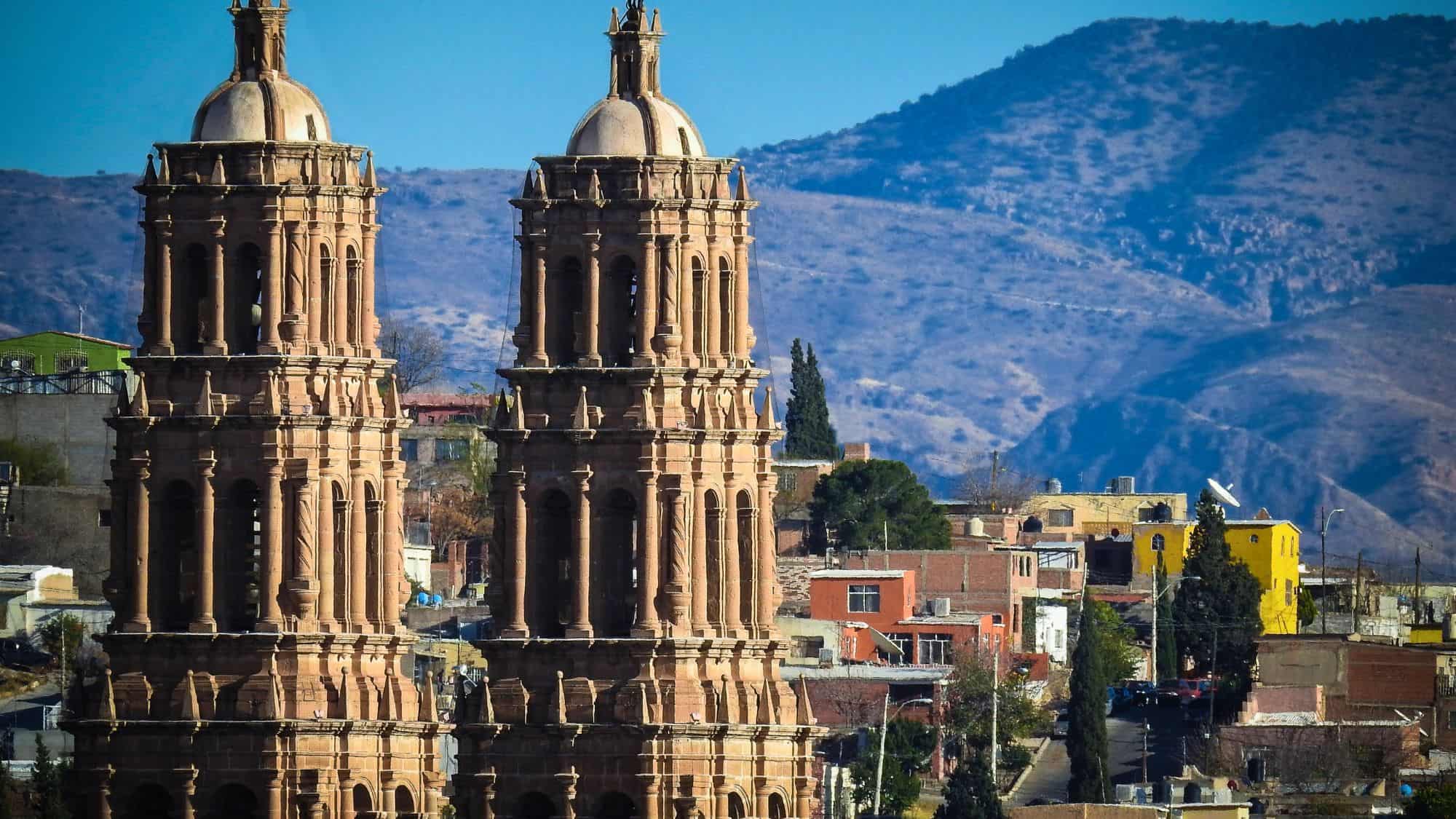
Chihuahua, the capital of Chihuahua state, sits in the northern desert and serves as a gateway to the stunning Copper Canyon, a series of canyons larger and deeper than the Grand Canyon.
The city itself has a rich history, with colonial-era buildings and museums dedicated to revolutionary hero Pancho Villa. But be aware that Chihuahua has become one of Mexico’s most violent cities, caught in the crossfire of brutal cartel wars.
The Sinaloa Cartel and the Juarez Cartel have fought for control of drug trafficking routes through Chihuahua, leading to widespread violence that has made the city dangerous for both residents and visitors.
In 2010, at the height of the cartel wars, Chihuahua recorded more than 800 homicides, giving it one of the highest murder rates in the world. While violence has decreased since then, the city remains dangerous, with a homicide rate still well above the national average.
Armed robberies, carjackings, and kidnappings occur regularly, and travelers are often targeted. So if you plan to visit Copper Canyon, consider flying directly to the region rather than traveling through the city of Chihuahua.
Nuevo Laredo

Nuevo Laredo sits directly across the border from Laredo, Texas, making it one of the busiest border crossings between the United States and Mexico. The city is a major commercial hub, with thousands of trucks crossing the border daily to transport goods between the two countries.
However, Nuevo Laredo has also become one of the most dangerous cities in Mexico, controlled almost entirely by organized crime.
The Northeast Cartel, a faction that splintered from the Zetas, controls much of Nuevo Laredo and engages in drug trafficking, human smuggling, extortion, and kidnapping. And the cartel has effectively taken over local law enforcement and government institutions, making it nearly impossible for authorities to combat crime.
In 2022, Nuevo Laredo recorded a homicide rate of approximately 54 per 100,000 residents, one of the highest in Mexico.
American citizens have been specifically targeted for kidnapping, and violent crime is common throughout the city. Shootouts between cartels and security forces occur regularly, and travelers can easily be caught in the crossfire.
Honestly, there is no reason for tourists to visit Nuevo Laredo, and anyone who must cross the border for business should do so during daylight hours and with extreme caution.
Matamoros
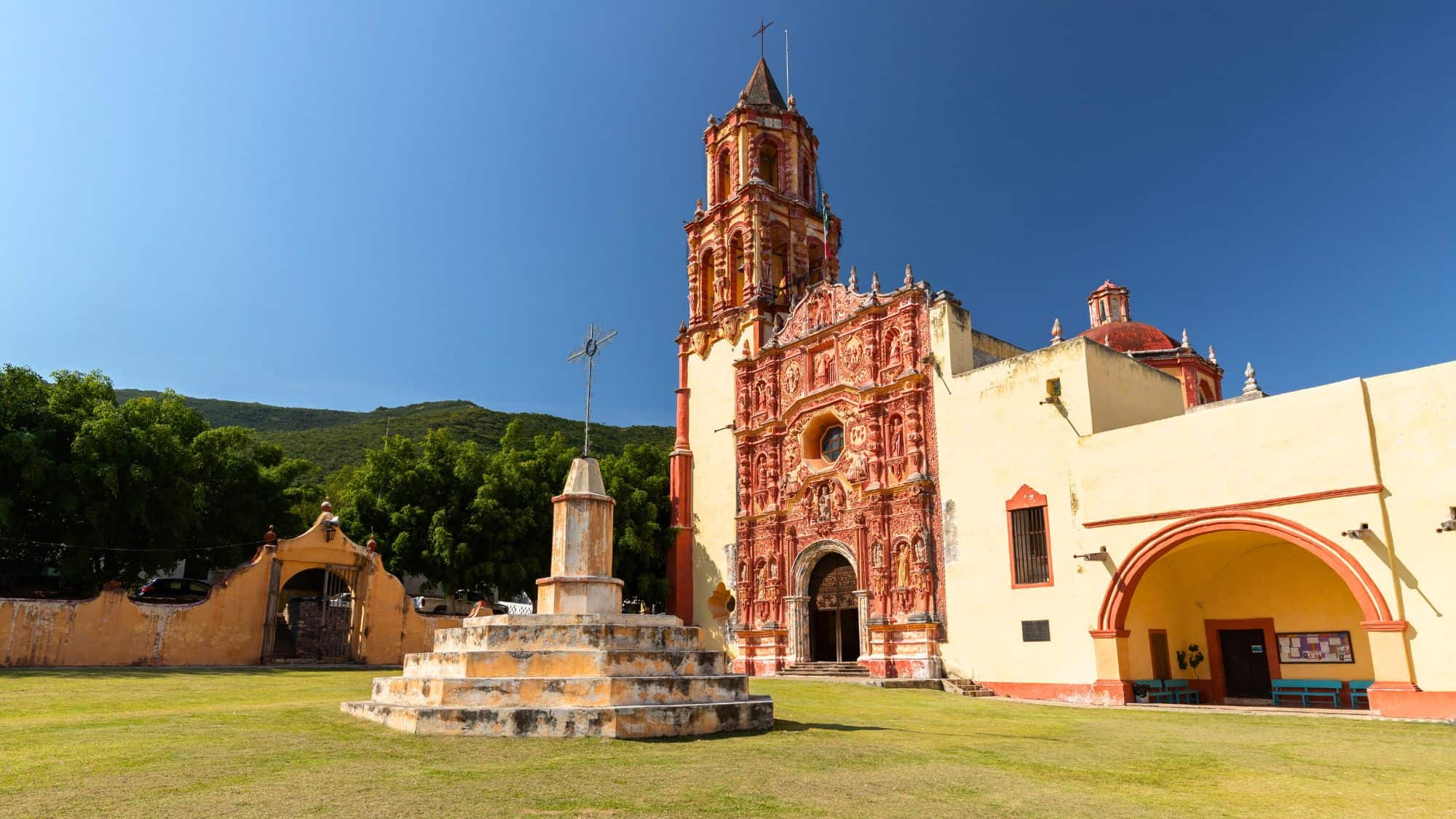
Matamoros sits at the mouth of the Rio Grande in Tamaulipas state, directly across the border from Brownsville, Texas.
The city has long been an important industrial center, with numerous maquiladoras, or manufacturing plants, producing goods for export to the United States. But Matamoros has also become one of the most dangerous cities in Mexico, with violent crime driven by cartel conflicts and a near-total breakdown of law and order.
The Gulf Cartel controls much of Matamoros and uses the city as a base for drug trafficking, human smuggling, and extortion. In March 2023, four American citizens were kidnapped in Matamoros, with two of them killed in captivity.
The incident drew international attention and highlighted the extreme dangers that travelers face in the city. Matamoros recorded a homicide rate of approximately 48 per 100,000 residents in 2022, and violence remains a daily reality.
Armed carjackings, robberies, and kidnappings are common, and travelers are often targeted. Shootouts between cartels and security forces occur regularly, and the Mexican military has deployed troops to the city in an attempt to restore order. There really is no safe way to visit Matamoros as a tourist.
Ciudad Juarez
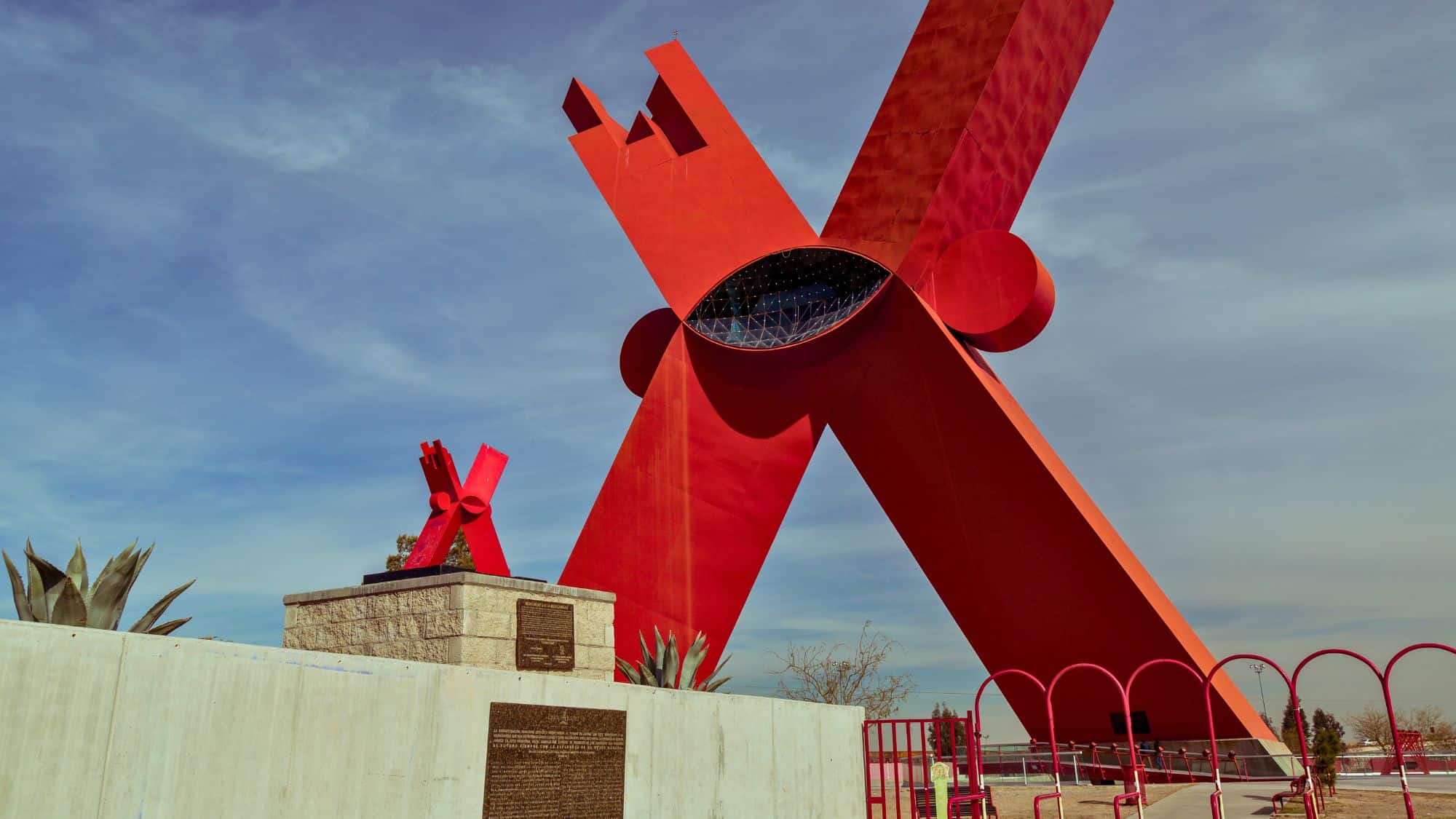
Ciudad Juarez sits across the border from El Paso, Texas, and was once known as the most dangerous city in the world during the height of the Mexican Drug War.
Between 2008 and 2012, thousands of people were killed in cartel violence, and the city became a symbol of Mexico’s security crisis. While homicide rates have decreased since then, Ciudad Juarez remains extremely dangerous.
The Sinaloa Cartel and the Juarez Cartel have fought for control of drug trafficking routes through the city, leading to widespread violence that has affected both residents and visitors.
In 2022, Ciudad Juarez recorded more than 1,400 homicides, giving it a rate of approximately 104 per 100,000 residents, one of the highest in the world. Violence includes shootings, kidnappings, extortion, and carjackings. Travelers are often targeted.
While some areas of the city are relatively safe during the day, violence can erupt suddenly and without warning. Travelers should avoid traveling at night, stay in well-guarded areas, and be cautious when using ATMs or displaying valuables.
Reynosa

Reynosa sits along the border with Texas, directly across from McAllen, and serves as a major commercial and industrial center in Tamaulipas state. The city has a population of more than 700,000 and is home to numerous maquiladoras that produce goods for export to the United States.
However, Reynosa has become one of the most dangerous cities in Mexico, with violent crime driven by cartel conflicts and widespread corruption.
The Gulf Cartel and the Northeast Cartel have fought brutal turf wars in Reynosa, leading to high levels of violence that affect both residents and visitors. In 2022, Reynosa recorded a homicide rate of approximately 46 per 100,000 residents, one of the highest in Mexico.
Kidnappings, carjackings, and armed robberies are common, and travelers are often targeted. In 2021, gunmen in Reynosa went on a shooting spree that left 15 people dead, including innocent bystanders.
The city has also seen numerous incidents in which travelers were specifically targeted, including carjackings at gunpoint and kidnappings for ransom. Mexican security forces have deployed troops to Reynosa, but cartel violence continues.
Culiacan
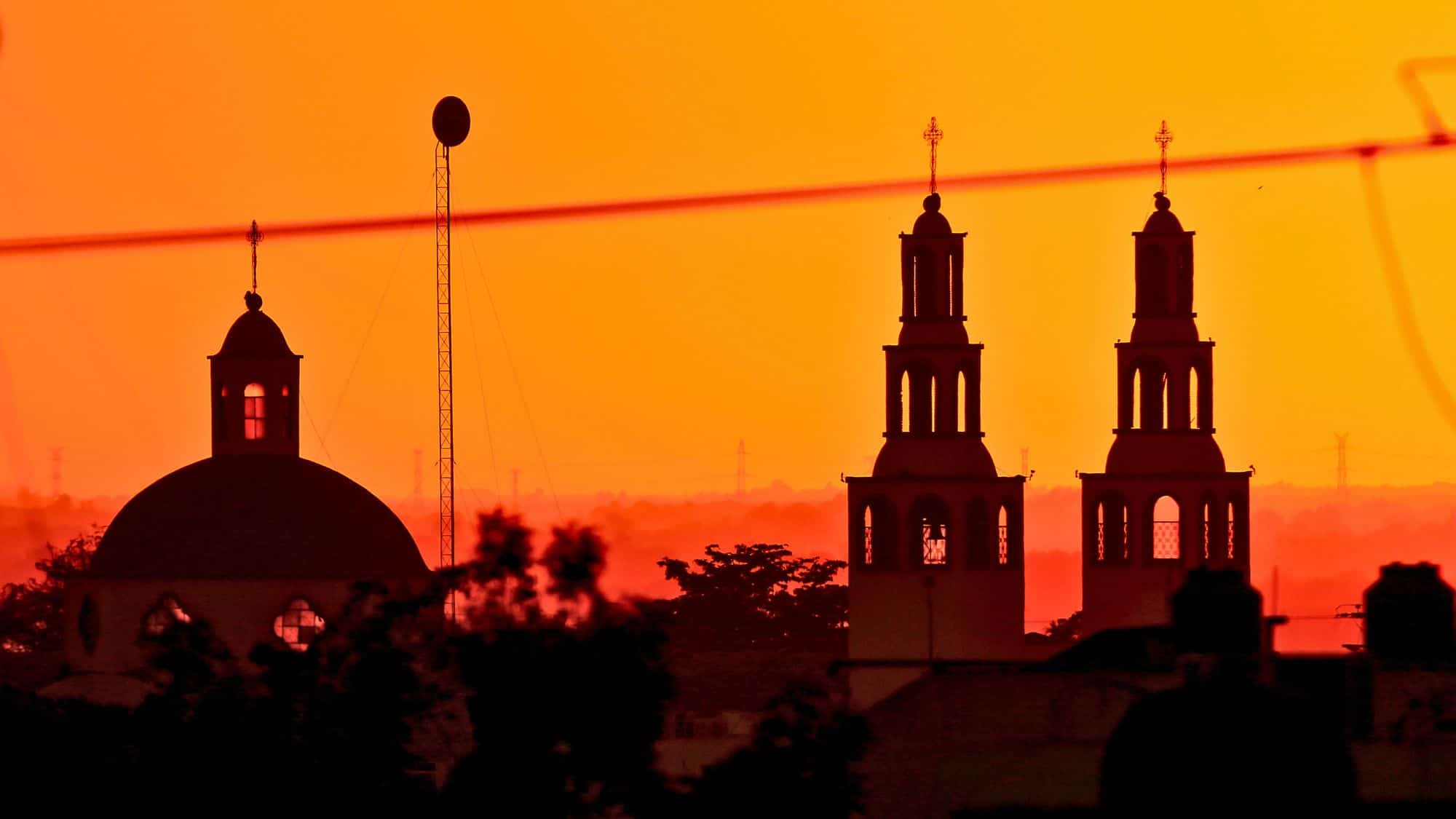
Culiacan, the capital of Sinaloa state, is the birthplace of the Sinaloa Cartel, one of the most powerful and violent drug trafficking organizations in the world.
The city sits in a fertile agricultural valley and serves as a commercial hub for the region, but it has also become synonymous with organized crime and violence. In fact, Culiacan recorded a homicide rate of approximately 83 per 100,000 residents in 2022.
The Sinaloa Cartel controls much of Culiacan and uses the city as a base for drug production, trafficking, and money laundering.
In October 2019, the Mexican military attempted to arrest Ovidio Guzman, the son of notorious drug lord Joaquin “El Chapo” Guzman, leading to a day of intense gun battles that left at least 13 people dead and forced the government to release him. The incident highlighted the extent to which the cartel controls the city and the inability of authorities to combat organized crime.
While some tourists visit Culiacan for business or to explore the surrounding region, the risks are significant.
Violence can erupt suddenly, and travelers can easily be caught in crossfire. Kidnappings, carjackings, and armed robberies are common, and the cartel’s presence is felt throughout the city.
Ixtapa-Zihuatanejo

Ixtapa-Zihuatanejo sits along the Pacific coast in Guerrero state, with Ixtapa serving as a planned resort destination and Zihuatanejo as a traditional fishing village with a charming historic center.
The area has long been popular with tourists seeking a more relaxed alternative to busier beach destinations, but Guerrero has become one of Mexico’s most violent states, and the security situation in Ixtapa-Zihuatanejo has deteriorated significantly.
Guerrero is home to several powerful cartels, including the Jalisco New Generation Cartel, the Beltran Leyva Organization, and Los Rojos, all of which have fought brutal turf wars for control of drug trafficking routes and extortion rackets.
In 2022, Zihuatanejo recorded a homicide rate of approximately 28 per 100,000 residents, significantly higher than in previous years. And several high-profile incidents have occurred in the area, including the murder of a mayor and attacks on tourists.
While the beaches and resorts in Ixtapa remain relatively safe during the day, the surrounding region has seen widespread violence. Travelers should avoid traveling outside of tourist zones, particularly at night, and should be cautious when using taxis or other transportation.
The natural beauty of Ixtapa-Zihuatanejo is undeniable, but the cartel situation has made it a riskier destination than it once was.
Tijuana
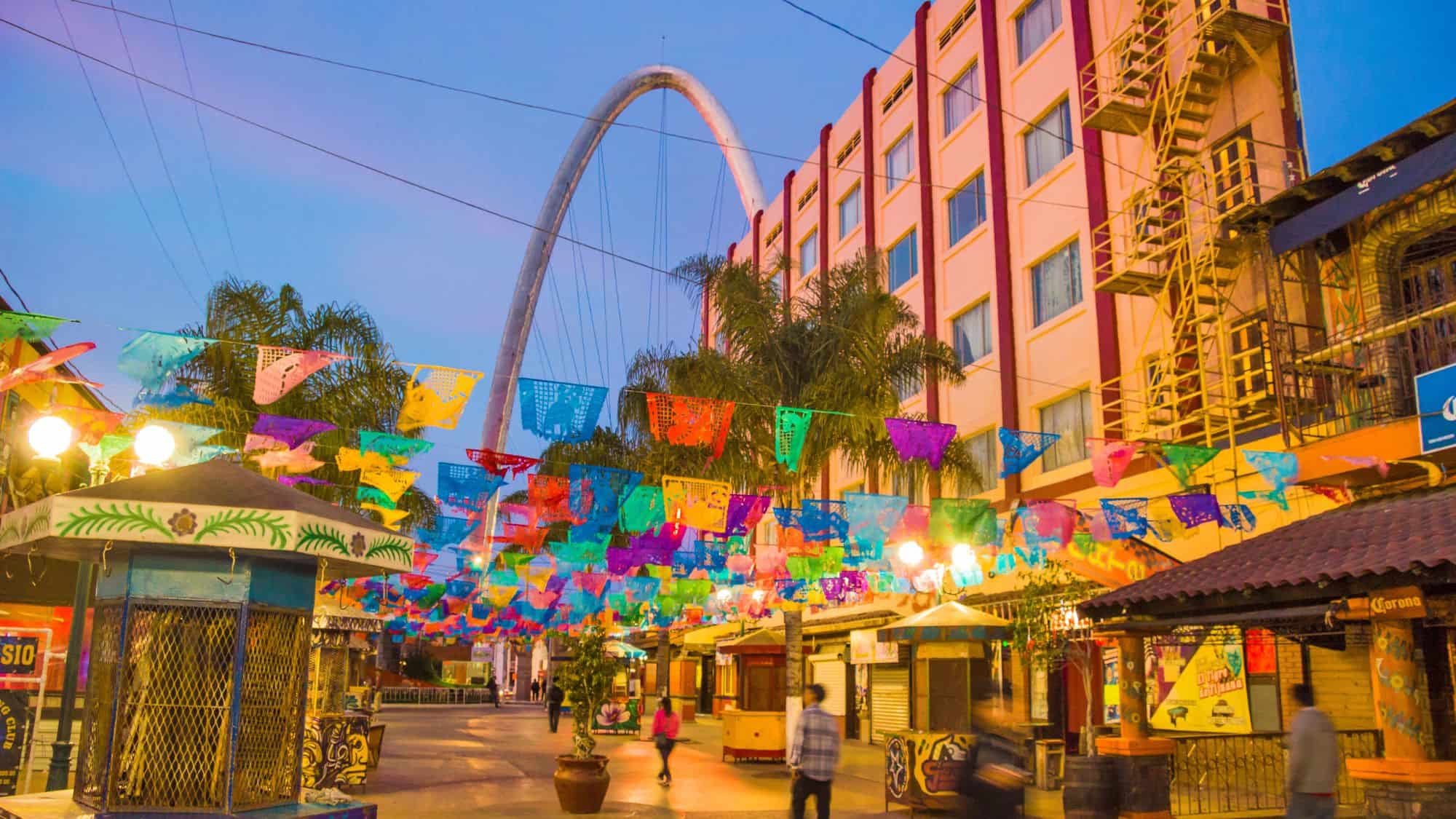
Tijuana sits directly across the border from San Diego, California, making it one of the busiest border crossings in the world. The city has a population of more than 1.8 million and serves as a major commercial and cultural hub in Baja California.
Tijuana has also become one of the most dangerous cities in the Western Hemisphere, with violent crime driven by cartel conflicts and widespread corruption.
The Sinaloa Cartel and the Jalisco New Generation Cartel have fought brutal turf wars in Tijuana for control of drug trafficking routes into the United States.
In 2022, Tijuana recorded more than 1,800 homicides, giving it a rate of approximately 105 per 100,000 residents. Violence includes shootings, kidnappings, extortion, and carjackings.
Some areas of Tijuana, particularly the Zona Centro and the Rosarito Beach corridor, are relatively safe during the day, but violence remains a serious concern throughout the city. Travelers should avoid traveling at night and stay in well-guarded areas.
Acapulco
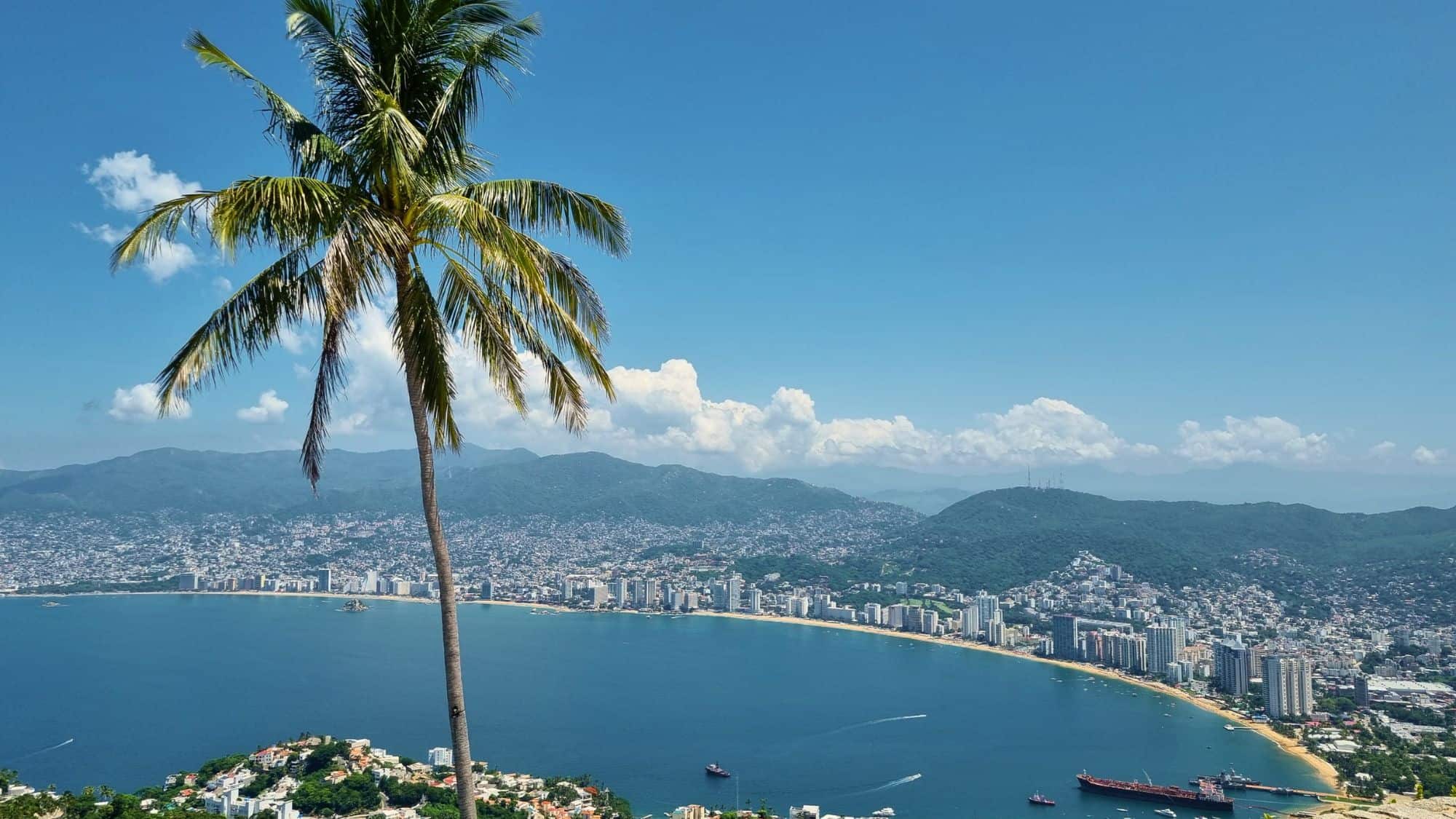
Acapulco was once the jewel of Mexico’s Pacific coast, a glamorous destination that drew Hollywood stars and international jet-setters in the 1950s and 1960s.
The city’s dramatic cliffs, stunning beaches, and famous cliff divers made it one of the most iconic destinations in Mexico. But in recent years, Acapulco has become one of the most dangerous cities in the world, with violent crime driven by cartel conflicts.
Guerrero state, where Acapulco is located, has been a major battleground for organized crime groups, with at least nine cartels fighting for control of the city.
In 2022, Acapulco recorded more than 600 homicides, giving it a rate of approximately 110 per 100,000 residents. Violence includes shootings, beheadings, kidnappings, and extortion. Bodies are often left in public places as warnings to rivals.
While some tourists continue to visit Acapulco, the security situation is dire. Several high-profile incidents have occurred in recent years, including the murder of tourists and attacks on beach clubs.
The city’s infrastructure has deteriorated, and many of the hotels and resorts that once made Acapulco famous have fallen into disrepair. Acapulco’s natural beauty remains, but the risks of visiting are simply too high for most travelers.
Like Our Content? Follow Us On MSN (or click the Follow Button above) to see more from Traveling In Focus.