Found By Accident contains affiliate links and is a member of the Amazon Services LLC Associates Program. If you make a purchase using one of the Amazon links (or other affiliate links), we may receive compensation at no extra cost to you. See our disclosure policy for more information.
Everyone Thinks New Orleans Has The Best Mardi Gras — These Cities Might Just Change Your Mind
When you hear the words Mardi Gras, your mind likely drifts immediately to the crowded, bead-strewn streets of the French Quarter. And it is easy to assume that New Orleans is the only place to truly experience the magic of Carnival.
However, limiting your celebrations to Louisiana’s most famous city means missing out on a diverse array of festivities that happen all across the United States. Because it turns out, several other cities boast celebrations that rival the Big Easy in size, history, and pure spectacle.
These destinations offer unique local twists on the holiday, often with fewer tourists and more affordable accommodations. And exploring these alternative locations allows you to see a different side of American culture while still enjoying the indulgence of Fat Tuesday.
From the coastal traditions of Alabama to the wintry streets of Missouri, these cities prove that the carnival spirit extends far beyond Bourbon Street. You might just find that your new favorite Mardi Gras tradition is waiting in a city you never expected.
Mobile, Alabama: America’s First Mardi Gras
While New Orleans gets the global glory, the port city of Mobile claims the title of the original home of Mardi Gras in the United States. This coastal town offers a celebration that feels deeply rooted in heritage and local pride.
Historical Significance
Mobile has a legitimate and fiercely defended claim to the Carnival crown in the U.S. The celebration here began in 1703, which is a full 15 years before New Orleans was even founded.
French settlers celebrated the holiday at the site of Old Mobile, establishing a tradition that has survived wars, yellow fever epidemics, and significant cultural shifts over three centuries. And the locals are keenly aware of this timeline and will happily remind visitors that they were the first to let the good times roll on American soil.
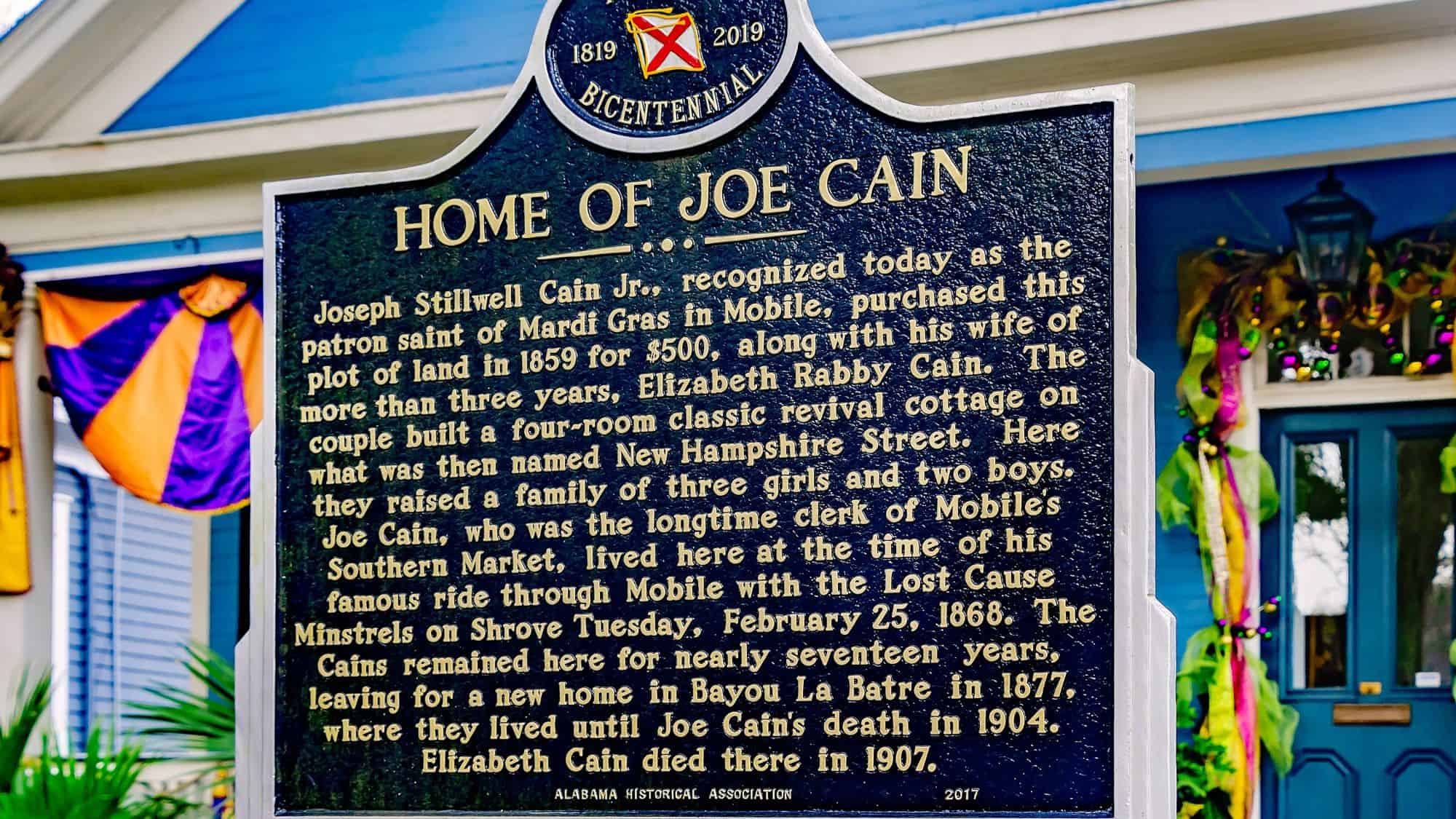
A pivotal moment in this history is the legend of Joe Cain, which is central to the modern identity of Mobile’s Carnival.
In 1866, following the devastation of the Civil War, the city was under Union occupation, and morale was incredibly low. Cain, a clerk at the city market, decided to dress as a fictional Chickasaw chief named Slacabamorinico.
He paraded through the city streets in a coal wagon, accompanied by a few friends, to revive the city’s spirit in the face of defeat. This act of defiance and celebration effectively brought Mardi Gras back to life in Mobile.
Today, Joe Cain Day is celebrated on the Sunday before Fat Tuesday and is considered “The People’s Parade” by locals who honor his legacy. It is a day where the community comes together to celebrate their resilience and history, often visiting Cain’s gravesite in the Church Street Graveyard to pay their respects before the revelry begins.
Scale Of Celebration
The festivities in Mobile are not a small-town affair by any stretch of the imagination. The season stretches for weeks and features dozens of parades that wind through the downtown area, transforming the city into a living theater.
Over 40 parading organizations, known as mystic societies, serve as the backbone of the celebration. These secret societies spend the entire year planning their themes, building elaborate floats, and organizing massive balls that are the highlight of the social calendar.
Unlike the singular focus on Fat Tuesday found in some places, Mobile offers a sustained schedule of events that builds in intensity. And attendance figures frequently top one million people throughout the Carnival season, drawing visitors from all over the Southeast.
This creates an electric atmosphere that fills the streets with music, marching bands, and cheering crowds, yet the vibe remains distinct from New Orleans.
The scale is massive, yet many visitors find the crowds slightly more manageable and family-oriented compared to the crushing density often found in the French Quarter. You will even see families setting up ladders for children to catch throws, and neighbors sharing food along the parade routes.
The barriers between the parade participants and the spectators feel thinner here, creating a sense of shared community celebration rather than just a show for tourists.
Unique Traditions In Mobile
One of the most distinct differences you will notice in Mobile is the throws that come flying off the floats. While plastic beads and doubloons are common everywhere, the prized catch in Mobile is the Moon Pie.
This tradition began in the mid-20th century and has become an icon of the Alabama celebration. The marshmallow treats were originally chosen because they were soft enough to throw without injuring spectators and heavy enough to reach the back of the crowd.
Today, catching a Moon Pie is a badge of honor, and you will see flying confectioneries in flavors ranging from chocolate and vanilla to banana and salted caramel.
It is not uncommon to leave a parade with a grocery bag full of these sweet treats, which has become a competitive sport for those standing along the barricades.
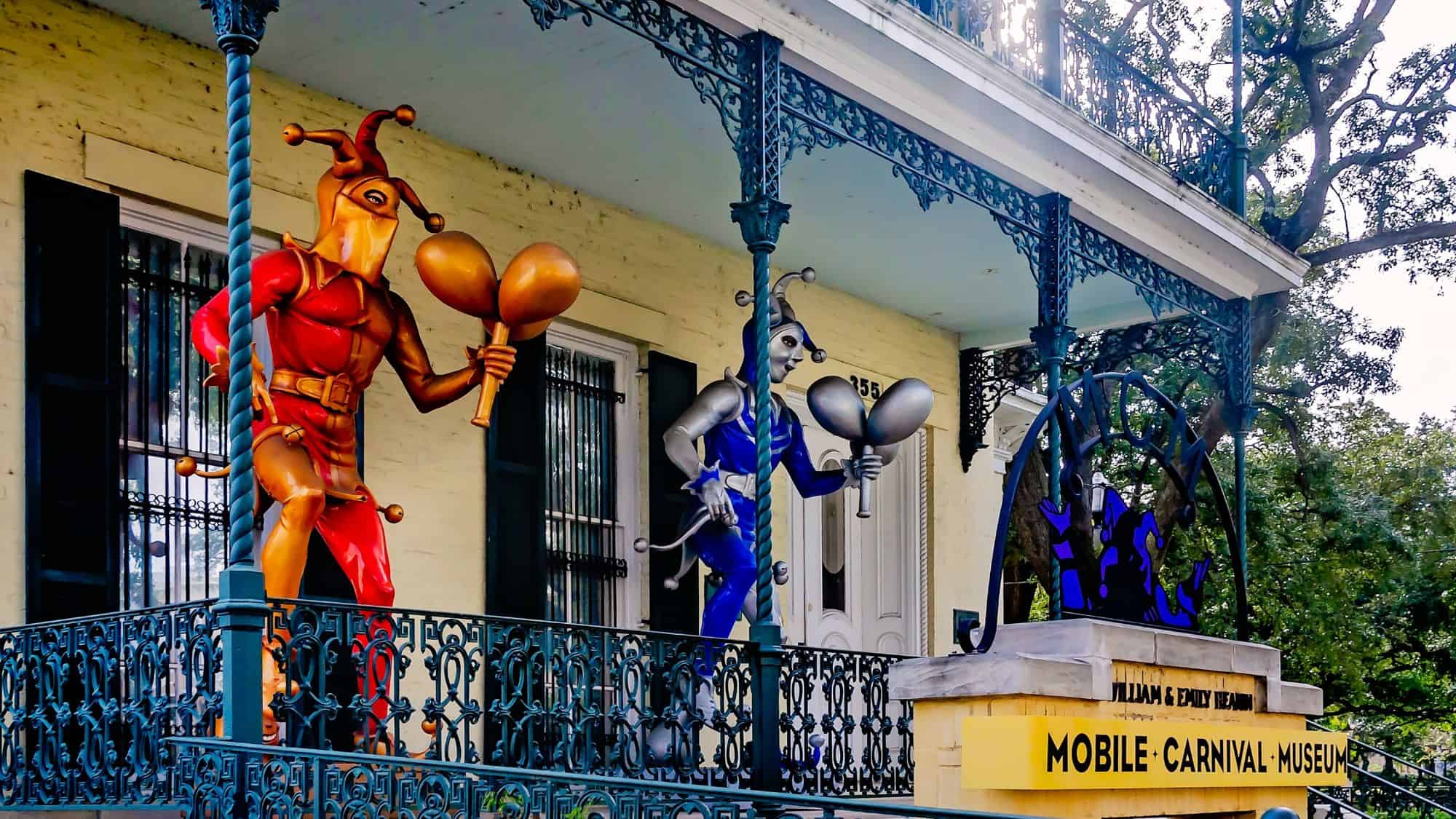
Beyond the snacks, the mystic societies themselves offer visual traditions that you will not find elsewhere. The Order of Myths parade, for instance, is the oldest continuous parading society in the city, dating back to 1867.
Their parade is the traditional end to the Mardi Gras season on Fat Tuesday night, signaling the coming of Lent. And the most famous float in this procession features Folly chasing Death around a broken Greek column. Folly beats Death with an inflated pig bladder, symbolizing the triumph of life and joy over mortality.
Seeing this float roll through the darkened streets, illuminated by flambeaux carriers, creates a powerful closing image that defines the Mobile experience.
St. Louis, Missouri: A Mardi Gras Party In The Midwest
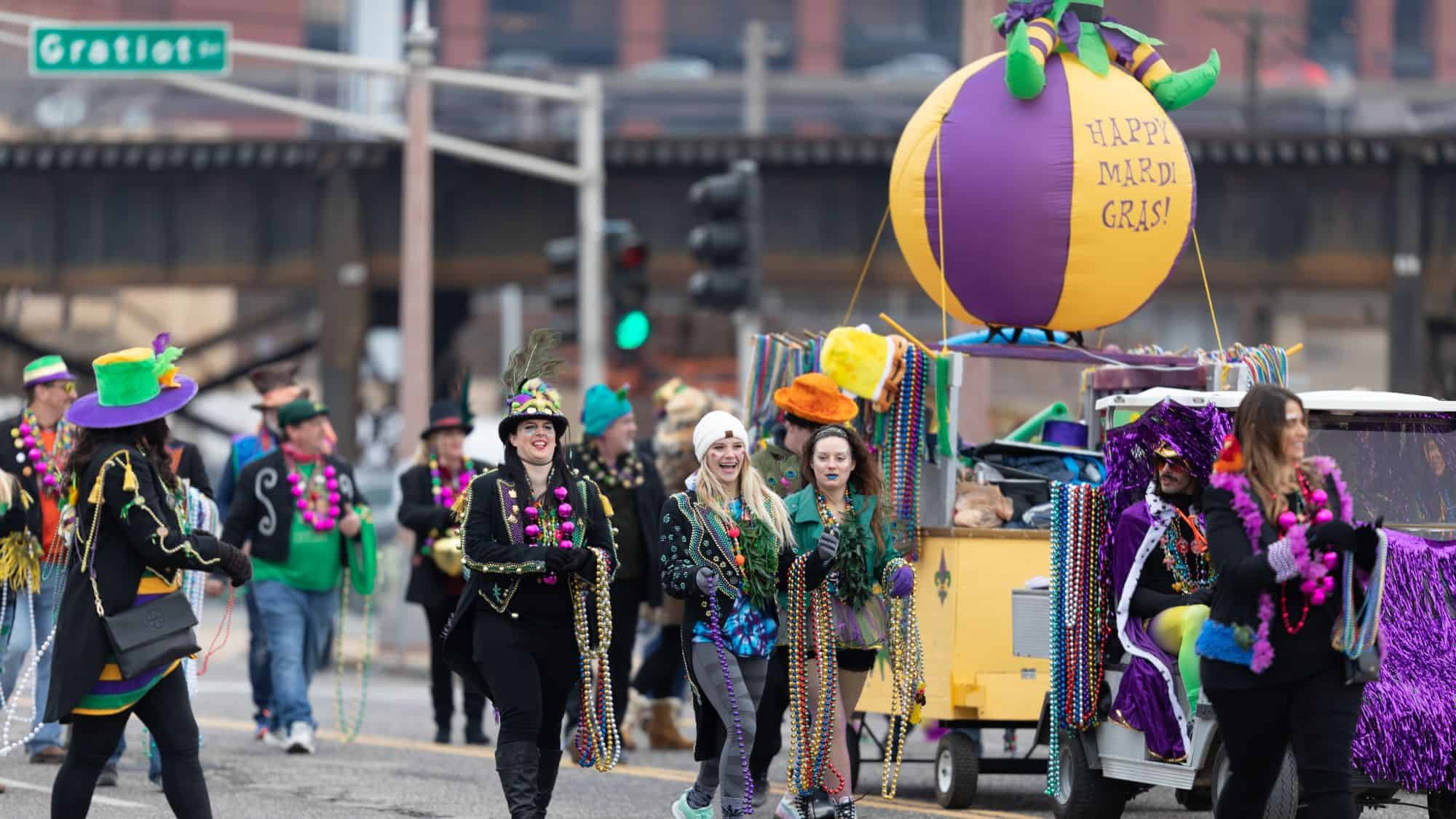
If you head north along the Mississippi River, you will find a celebration that trades the balmy Gulf breeze for a crisp Midwest chill. St. Louis hosts a massive party that transforms its historic French neighborhood into a sea of purple, green, and gold.
Event Highlights And Atmosphere
The heart of the St. Louis celebration beats in Soulard, a neighborhood that feels like it was built specifically for this kind of party.
This historic district is filled with red brick townhomes, narrow alleyways, and bars that date back to the 19th century. And the architecture provides a perfect backdrop that mimics the feel of the French Quarter (but with a distinct Midwestern solidity).
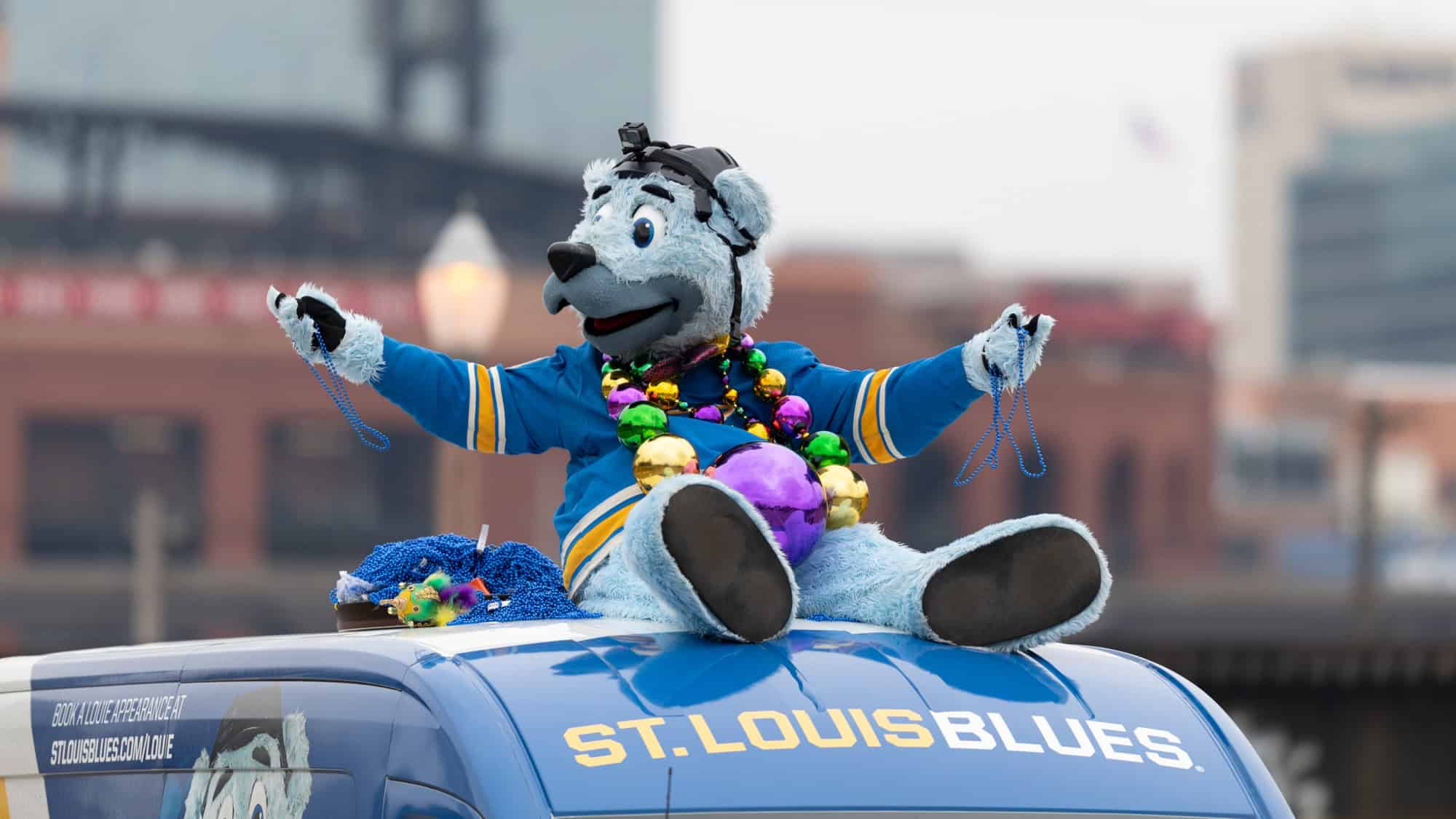
The festivities usually kick off on Twelfth Night, January 6th, and continue through Fat Tuesday, braving whatever weather winter throws at the city. It is not uncommon to see revelers wearing heavy coats over their costumes, or thermal layers underneath sparkly outfits.
The Grand Parade is the centerpiece event, featuring over 100 floats that make their way through the city streets.
Another major highlight is the distinct culinary focus found throughout the neighborhood. The “Taste of Soulard” event allows you to sample Cajun and Creole dishes from dozens of local establishments.
You purchase a passport that lets you hop from restaurant to restaurant, tasting gumbo, jambalaya, and crawfish etiquette. This blends the city’s own rich food culture with the holiday’s theme, offering a warm respite from the cold streets.
All in all, the atmosphere is one of communal resilience and joy. The colder it gets, the harder the city seems to party, creating a bond among everyone who braves the elements to catch some beads.
What Makes St. Louis Stand Out
St. Louis distinguishes itself with events that go far beyond standard human parades, injecting a heavy dose of humor and whimsy into the season.
The Beggin’ Pet Parade is recognized by Guinness World Records as the largest costumed pet parade in the world, and it is a spectacle you have to see to believe. You will see thousands of dogs dressed in elaborate costumes, ranging from tacos and superheroes to intricate floats built on wagons pulled by larger breeds.
The creativity on display is staggering, with owners often coordinating their own outfits to match their pets. It transforms the streets into a family-friendly carnival that celebrates the community’s love for its animals.
This is followed by the Wiener Dog Derby, where dachshunds race in a series of adorable and chaotic sprints. Watching these small dogs race (or often, refuse to race and instead run into the crowd) provides genuine entertainment that you won’t find at more formal Mardi Gras celebrations.
These events give the St. Louis celebration a whimsical and community-focused energy that is distinct from more adult-centric parties found elsewhere. It makes the festival accessible to a wider demographic, drawing in animal lovers who might otherwise skip a traditional parade.
The combination of high-stakes wiener dog racing and elaborate pet couture creates a lighthearted atmosphere during the day that perfectly balances the wilder parties that happen later in the evening.

Crowd Size And Economic Impact
This is not a quiet neighborhood gathering by any means. St. Louis consistently draws one of the largest Mardi Gras crowds in the country outside of New Orleans, turning Soulard into a high-density zone of celebration.
Officials estimate that the peak weekends can attract upwards of 200,000 spectators, depending on the weather conditions.
The streets of Soulard are relatively narrow, which compresses this massive crowd into a tight space, creating an energy that is palpable and intense. So navigating the neighborhood during the peak of the festival requires patience, but being part of such a massive collective experience is part of the draw.
The influx of visitors provides a massive boost to the local economy, sustaining businesses throughout the slower winter months. Hotels in the downtown area often sell out weeks in advance, and restaurants in Soulard report their highest earnings of the year during the carnival season.
The revenue generated during these few weeks helps preserve the historic nature of the neighborhood, funding maintenance and community projects. For the visitor, this means you are supporting a living, breathing historic district.
Choosing The Right Mardi Gras For You
Deciding where to celebrate depends entirely on what kind of experience you crave from your carnival vacation.
Mobile offers a deeply traditional and historical experience that feels sophisticated and family-friendly. It is the best choice if you want to understand the roots of the holiday and catch a Moon Pie in a city that lives and breathes its history. The parades here are formal, the balls are grand, and the atmosphere is steeped in Southern charm and politeness.
St. Louis, on the other hand, offers a grittier, high-energy party atmosphere that embraces the cold weather and the urban environment. It is ideal if you are looking for a massive street festival where the party spills out of bars and onto the sidewalks. The unique addition of pet-centric events makes it a fun option for animal lovers or those looking for daytime entertainment that is distinct from the typical parade format.
Regardless of which city you choose, traveling to a new destination for Mardi Gras allows you to break free from the tourist traps and repetitive itineraries found in the more famous New Orleans.
You get to engage with local communities that celebrate the season for their own enjoyment rather than just for visitors.
In places like Mobile or St. Louis, you are partying alongside locals who have attended these parades since they were children. This creates a more welcoming and authentic environment where you are treated less like a consumer and more like a guest.
The costs can be significantly lower as well. Hotels in Mobile or St. Louis during Mardi Gras are often more affordable than the skyrocketing rates you see in New Orleans, and food and drink prices tend to stay closer to normal levels.
By venturing off the beaten path, you ensure your Mardi Gras is filled with genuine discovery and unexpected memories.

Honorable Mardi Gras Mentions
While we focused on Mobile and St. Louis, the spirit of Carnival spreads far and wide across the U.S. There are other cities that deserve attention for their unique contributions as well.
Galveston, Texas, hosts a massive celebration that attracts over 300,000 people to the island city every year. You can watch parades roll down the seawall with the Gulf of Mexico as a backdrop, combining a beach trip with Mardi Gras festivities.
The Knights of Momus Grand Night Parade is the crown jewel of the Texas celebration, featuring spectacular floats and lighting up the coastal night. The mood here is distinctly Texan (big, bold, and friendly), making it a perfect regional alternative for those in the Southwest.
Lafayette, Louisiana, offers a completely different and more rural take on the holiday that provides a stark contrast to city parades. Here, you can witness the Courir de Mardi Gras in the surrounding countryside.
This Cajun tradition involves costumed participants on horseback riding from house to house, singing traditional songs, and “begging” for ingredients to make a communal gumbo. The chase culminates in participants trying to catch a live chicken in a muddy field, a spectacle that is far removed from the float-filled parades of the big cities but is rich in cultural heritage.
The participants even wear conical hats and wire screen masks, creating a visual that feels ancient and somewhat eerie. It is an immersive cultural experience that brings you face-to-face with the folklore of the Acadians.
These celebrations, and others across the states, show that Mardi Gras is not a monolith; it adapts to the culture of the place where it is celebrated.

Travel Tips For Attending A Mardi Gras Celebration
Like Our Content? Follow Us On MSN (or click the Follow Button above) to see more from Traveling In Focus.