Found By Accident contains affiliate links and is a member of the Amazon Services LLC Associates Program. If you make a purchase using one of the Amazon links (or other affiliate links), we may receive compensation at no extra cost to you. See our disclosure policy for more information.
Skip The Crowds: Destinations To Avoid In 2026
When you dream of a perfect getaway, you probably envision peaceful moments, unobstructed views, and the freedom to explore at your own pace. You likely don’t picture shoulder-to-shoulder gridlock, waiting three hours to enter a museum, or fighting for a square foot of sand on a beach.
Yet, as global travel surges past pre-pandemic levels, some of the world’s most beloved spots have reached a tipping point.
The charm that once drew millions is getting buried under the weight of its own popularity, turning dream vacations into endurance tests. This isn’t about telling you where you can’t go, but rather offering a heads-up on where the crush of humanity might dampen the magic you are seeking.
Overtourism impacts the local environment and community just as much as it affects your personal experience. In 2026, certain hotspots are projected to be more congested than ever, making them prime candidates for the “maybe later” list.
So if you value personal space and authentic connection over ticking boxes, you might want to reconsider these heavy hitters for your next big trip.
Venice, Italy
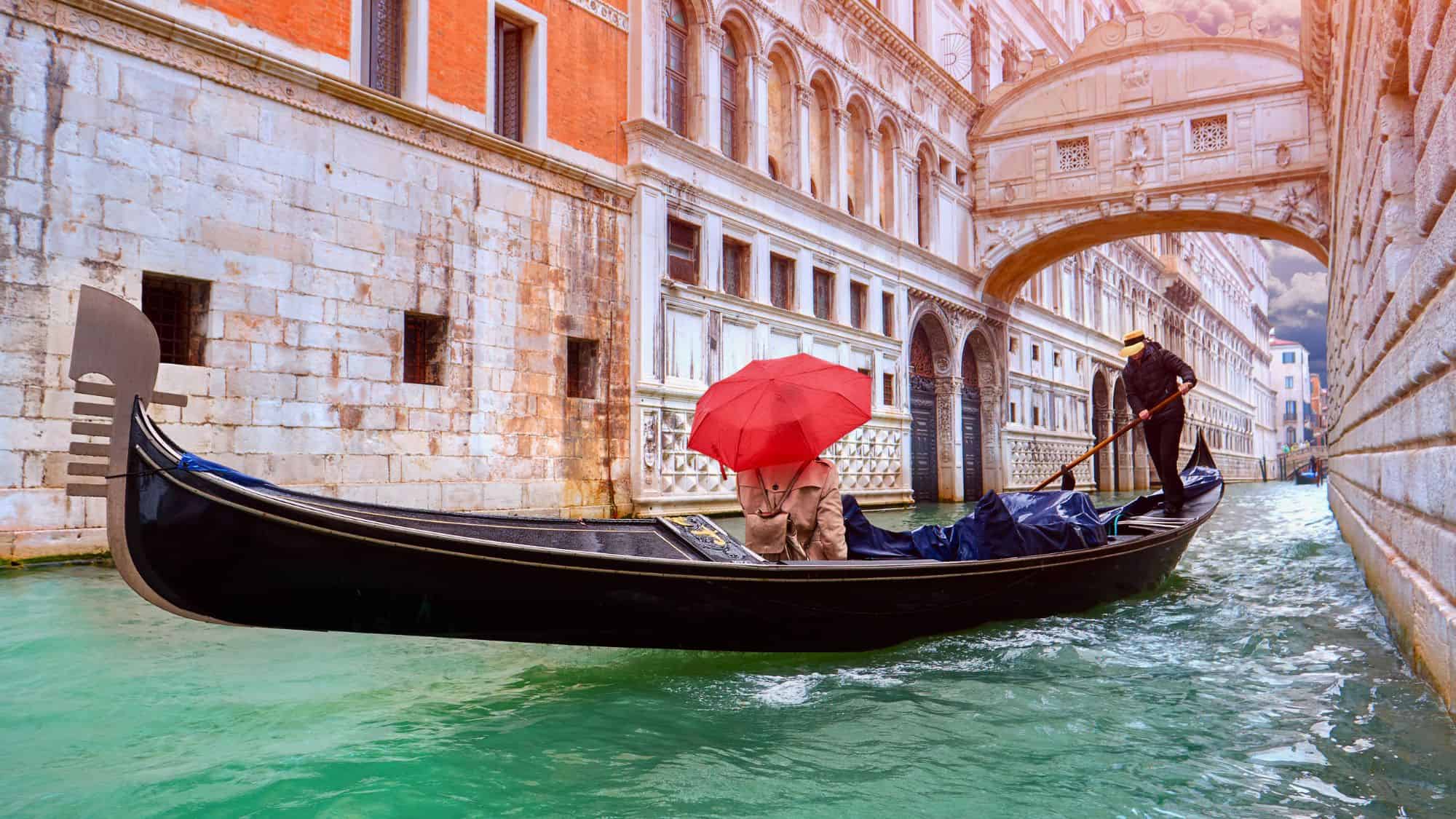
Venice has long been the poster child for overtourism, but the situation has escalated from a nuisance to a crisis. The narrow calle and historic bridges are often so packed that pedestrian traffic jams bring movement to a complete standstill.
In 2024, the city introduced an entry fee for day-trippers to try to stem the tide, a clear signal that the infrastructure is buckling under the pressure of roughly 20 million annual visitors.
The sheer volume of people not only degrades the ancient stone foundations but also drives out local residents, turning living neighborhoods into hollow movie sets.
If you visit during peak season, you will likely spend more time dodging tourists on Rialto Bridge than admiring the architecture. The vaporettos, serving as public buses, are also frequently too full to board, leaving you stranded on a dock.
Kyoto, Japan
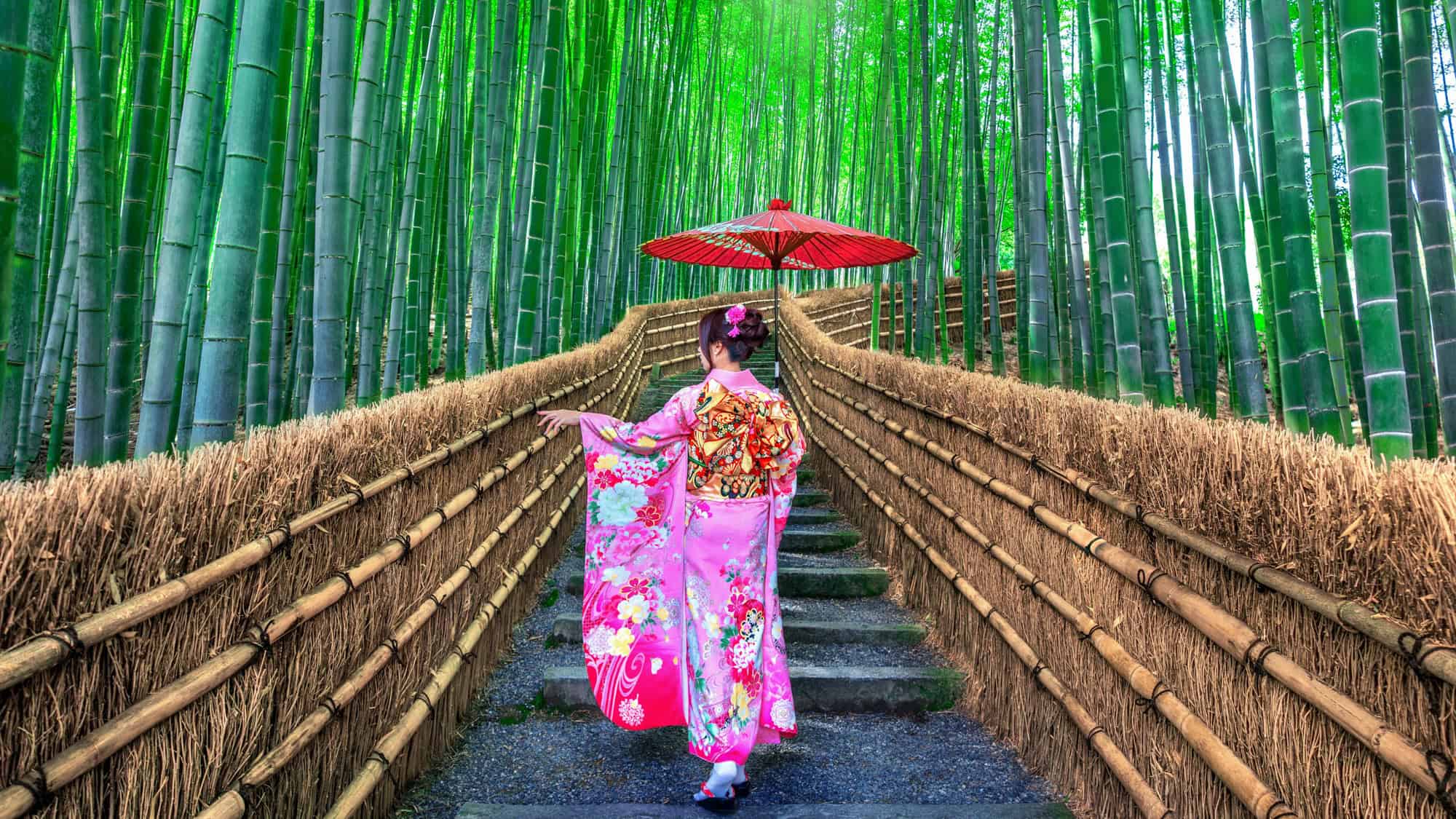
Japan’s cultural capital is struggling to maintain its Zen atmosphere amidst a tourism boom that shows no signs of slowing down.
The Gion district, famous for its preserved wooden machiya houses and geisha culture, has become so overrun that local authorities recently banned tourists from entering private alleys to protect residents from harassment.
In 2019, Kyoto received over 53 million tourists, and recent numbers suggest a return to (and potentially exceeding) those levels, putting immense strain on public transit and local patience.
The iconic Fushimi Inari Taisha, with its thousands of vermilion torii gates, is now best described as a slow-moving queue rather than a spiritual hike. And buses are often so crowded with luggage-toting travelers that elderly residents cannot find a seat to get to the grocery store.
While the temples are undeniably majestic, the serenity they were built to foster is almost impossible to find between the hours of 9:00 AM and 5:00 PM.
Santorini, Greece
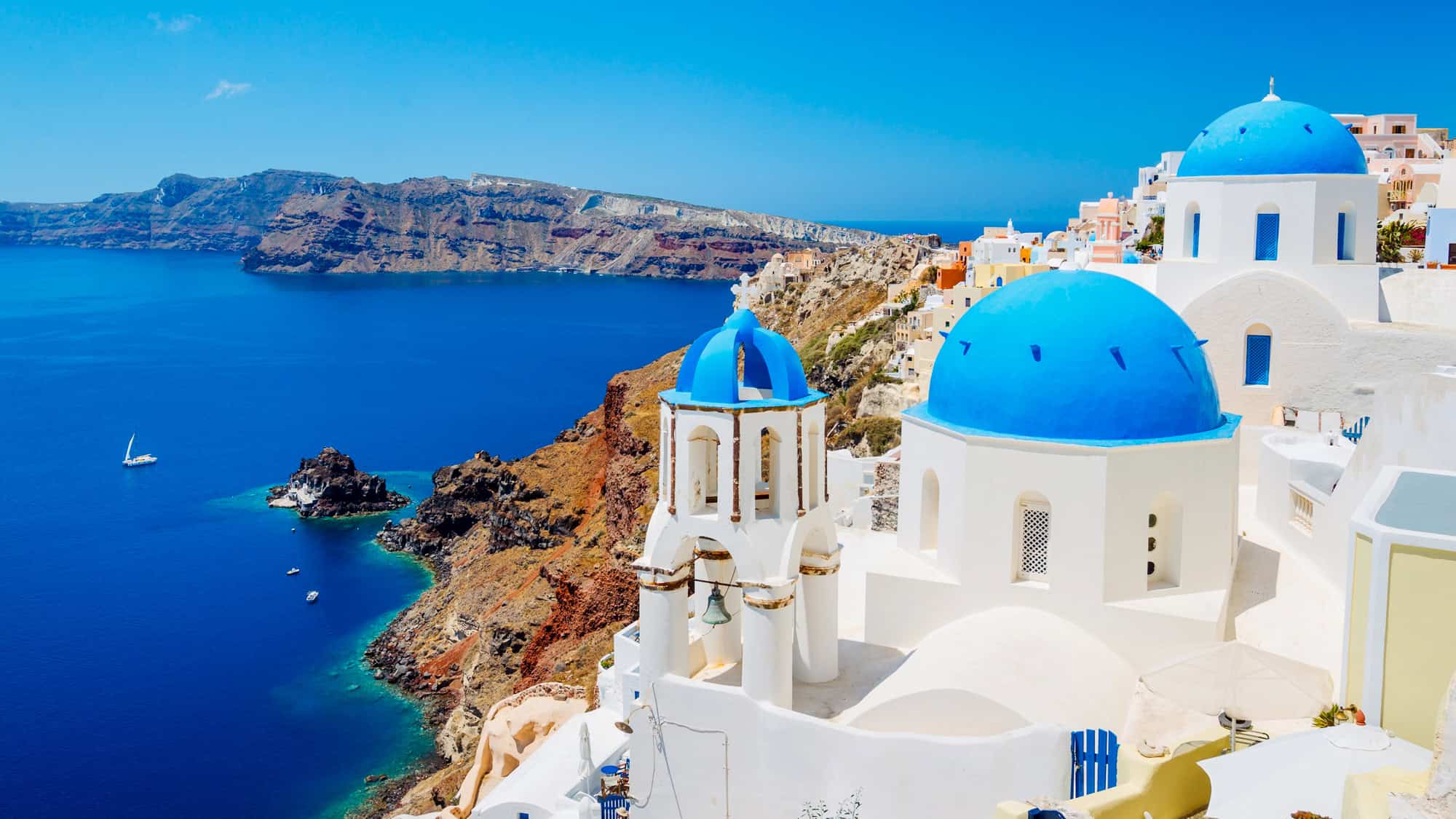
The image of whitewashed buildings with blue domes perched on a cliff is synonymous with Greek travel, but the reality of Santorini is far less idyllic than the postcards suggest.
During the summer months, the narrow cobblestone streets of Oia become impassable as thousands of cruise ship passengers disembark simultaneously.
The island’s infrastructure is severely stressed, with issues ranging from water scarcity to an overloaded waste management system struggling to cope with the millions of annual visitors.
Sunset at Oia Castle is often cited as a bucket-list moment, but it currently resembles a crowded concert mosh pit where you have to fight for a view of the horizon. And prices on the island have skyrocketed, often double or triple what you would pay on neighboring islands, while service quality declines due to the sheer volume of customers.
Amsterdam, Netherlands

Amsterdam has taken aggressive steps to actively discourage certain types of tourism, specifically targeting the “party and drugs” demographic that clogs the city center.
The famous Red Light District and the narrow streets of the Jordaan are often so congested that cycling, a primary mode of transport for locals, becomes dangerous or impossible.
With over 20 million visitors annually in a city of less than a million residents, the imbalance is palpable, leading to regulations banning new hotels and capping river cruises.
The line for the Anne Frank House often books out weeks in advance, and the Van Gogh Museum can feel more like a busy train station than an art gallery. And the city center has lost many local businesses like bakeries and florists, replaced by tourist traps selling waffles and souvenirs.
Bali, Indonesia
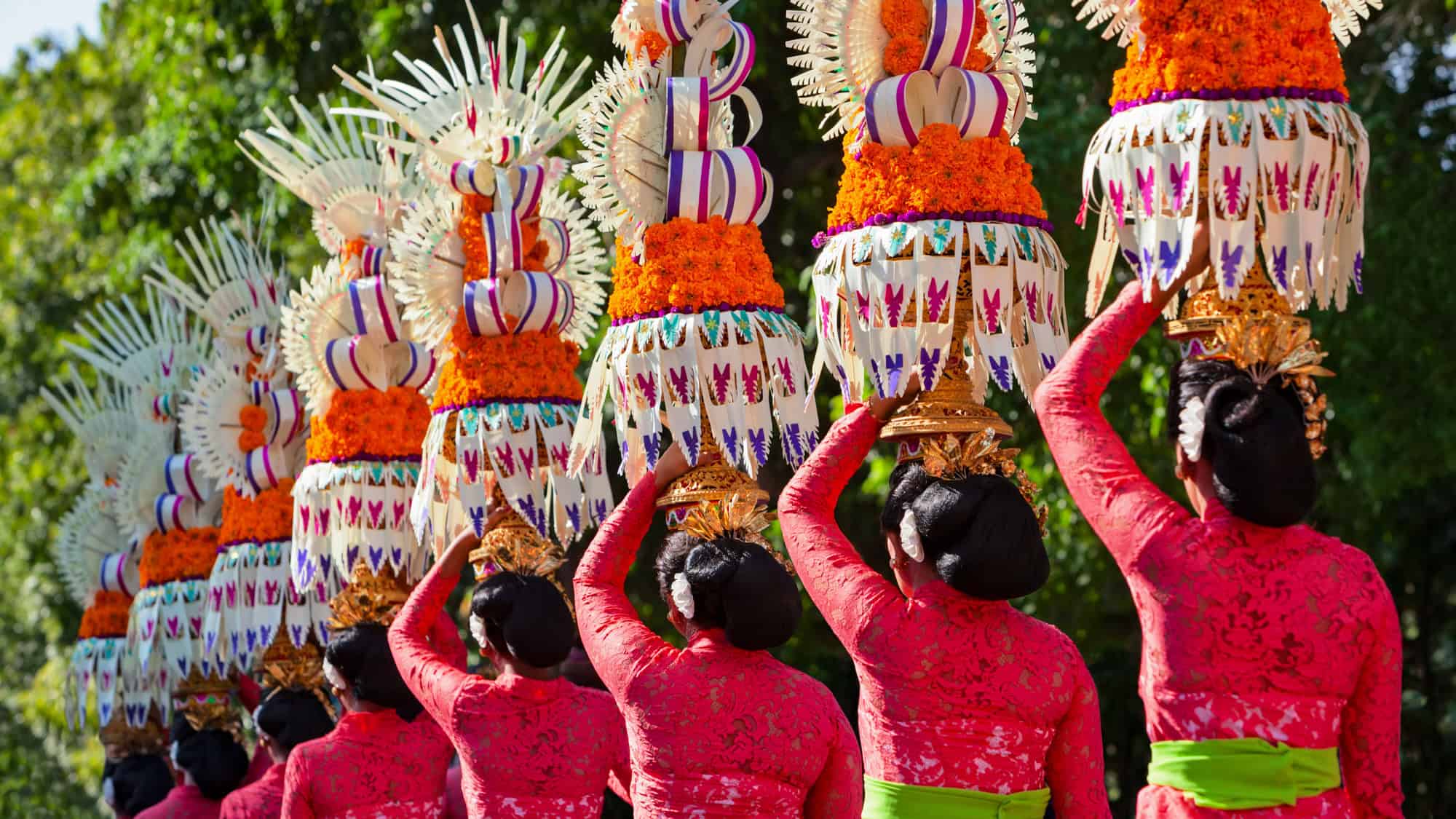
Bali faces a unique set of challenges as its popularity continues to skyrocket among digital nomads and holidaymakers alike.
Traffic congestion in areas like Canggu and Seminyak has become legendary, with short trips often taking hours due to gridlocked roads that were never designed for such volume.
The island declared a “garbage emergency” a few years ago as plastic waste washed up on its famous beaches, a direct result of infrastructure failing to keep pace with the influx of over 6 million foreign tourists per year.
Water scarcity is another pressing issue, with the tourism industry consuming roughly 65% of the island’s water supply, leaving local farmers and residents with dry wells.
And the rice terraces, once tranquil symbols of Balinese agriculture, are now lined with swings and photo ops designed solely for social media.
Like Our Content? Follow Us On MSN (or click the Follow Button above) to see more from us.